Retail Reality Check: Lessons from the Lidl Data Exposure
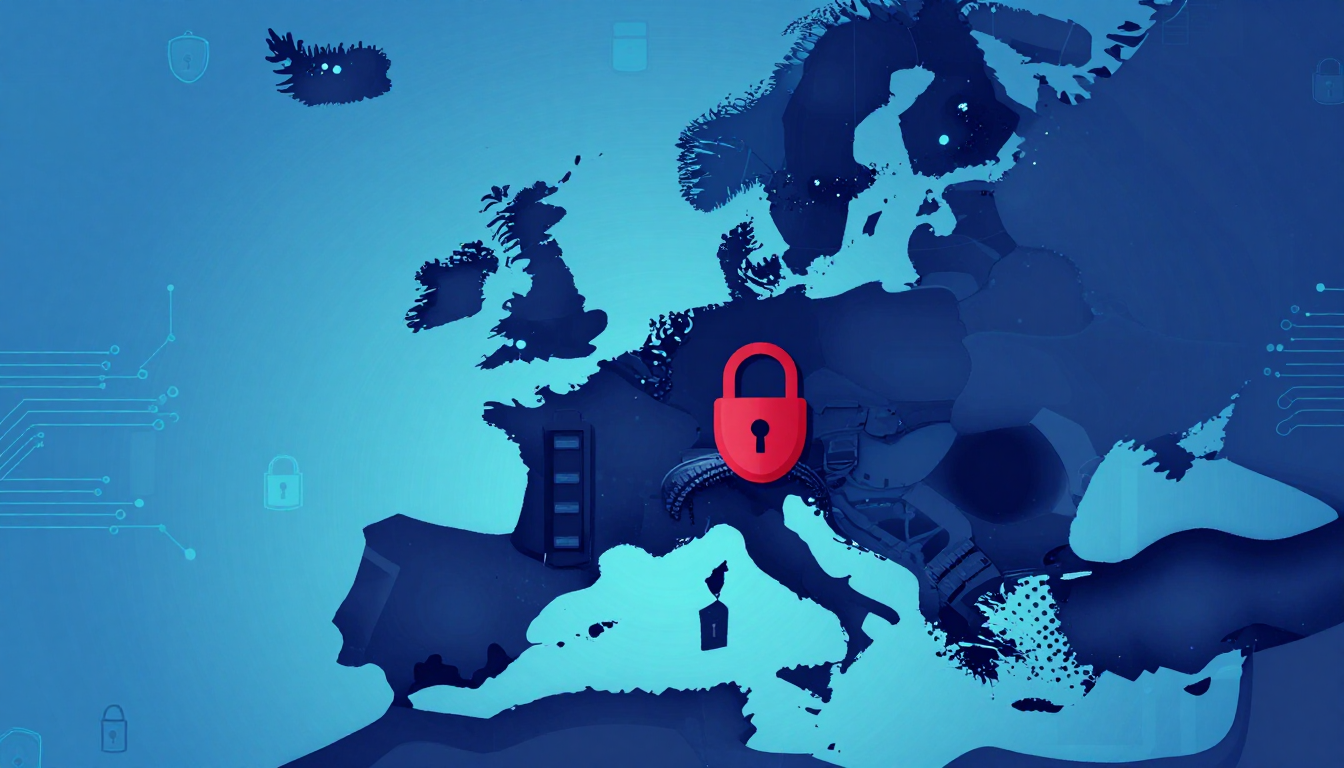
It’s a story we’ve heard far too often in recent years: a massive, multinational retailer reports a data breach, only to clarify that the trouble didn't start within their own walls. Instead, the incident occurred at a third-party service provider, catching Lidl’s customers in Germany, Belgium, and the Netherlands in the crossfire. The discount supermarket, a giant in the European retail space, found itself dealing with the aftermath of an attack on an external partner rather than a failure of their own digital storefront. For the average shopper, this is a frustrating reminder that our data’s safety is often linked to actors we’ve never even heard of.
Lidl’s notification to its customers highlighted the exact nature of the incident. The stolen data includes salutations, full names, telephone numbers, email addresses, dates of birth, and customer numbers—the kind of information that’s a goldmine for attackers looking to build credible phishing profiles. While the retailer’s own systems, including its online shop, remained secure, the mere fact that customer records were pilfered is enough to trigger a collective sigh of concern for anyone who values their privacy. The retailer has taken swift action, working with forensic experts and law enforcement, but the concern—even if there’s no immediate evidence of misuse—is already firmly established.
What, Exactly, Was Stolen?
Understanding a data breach is as much about what was not taken as what was. In this case, Lidl was quick to distinguish the stolen information from the truly critical infrastructure of its online operations. The company confirmed that key elements, such as passwords, banking information, and actual billing or shipping addresses, were never part of the stolen file. This is vital for customers who might be panicking about their credit card statements.
But the stolen data, while not immediately financial, still carries significant risk. In the hands of a skilled threat actor, the list of names, emails, and birthdays is a template for sophisticated social engineering. An attacker doesn't necessarily need your credit card number to wreak havoc. They can use that identity information to craft phishing attacks that look frighteningly legitimate, or to piece together a profile for identity theft in other, more vulnerable venues. The fact that the attack was confined to a third-party entity—a separately stored file—speaks to the granular nature of modern data security, where the absolute weakest link can often be the one you forget to account for. Lidl has reported the incident to the Dutch Data Protection Authority, fulfilling its regulatory duties while trying to manage the narrative and the public concern.
The Achilles' Heel: Why Service Providers Are the New Target
We often fixate on the security of the prime brand, thinking that if the shopfront is locked tight, we’re safe. But the reality of modern enterprise is a labyrinth of interconnected vendors and providers. The Lidl incident isn't an anomaly, but rather a perfect illustration of the systemic fragility introduced by third-party dependencies. When a major firm like Lidl outsources IT, logistics, or data handling, they are, in effect, extending their own security perimeter to include the practices and potential lapses of that provider.
From a risk standpoint, targeting a service provider makes intuitive sense for an attacker. These vendors are often, though not always, less fortified than the Fortune 500 giants they serve. Furthermore, a single service provider might handle data for dozens of such companies, creating a high-value target that can potentially compromise a vast amount of sensitive information in one fell swoop. This creates a disproportionate risk-to-reward ratio for threat actors. They don't need to break into the main vault; they just need to find the supplier who manages the vault’s backup copies.
This trend is forcing a fundamental rethink in how we approach security across the entire retail supply chain. It's no longer sufficient for a company to audit its own internal network while blindly trusting external partners. Instead, the move is toward more rigorous, and perhaps more invasive, security audits of every player in the vendor ecosystem. The cost of failing to catch a deficiency in a partner’s security posture is no longer just a potential technical snag; it’s a full-fledged, public-facing reputation crisis that can alienate loyal customers and invite regulatory scrutiny.
The Pressure Cooker of Discount Retail
Discount supermarket chains operate in a uniquely high-pressure environment. The profit margins are notoriously slim, and the competition is absolutely relentless. Every fraction of a percent in efficiency is fought for, which makes the choice of service providers a heavily scrutinized operational decision. When every budget line is squeezed, investment in IT security—an often intangible expense until it fails—can find itself struggling against demands for lower supply costs or faster tech rollouts.
This isn't an excuse, but it is an explanation of the tension at play. It’s a delicate balancing act to maintain the hyper-efficient operational tempo of a business like Lidl while simultaneously layering on robust security protocols that could, in theory, slow down those very processes. The incident in question shows the inevitable result of that tension when security investments are not fully harmonized with vendor-management practices. When a third party provides an efficiency gain that comes at the cost of less-than-stringent data protection, the entire business model becomes vulnerable.
Retailers are currently facing a turning point. They can either continue to treat security and operations as separate silos, or they can integrate them, treating security as an unavoidable, high-priority operational cost. The latter requires a cultural shift where the vendor onboarding process starts not with a cost-efficiency review, but with a rigorous security-validation marathon.
Taking Back Control as a Customer
If you were one of the customers notified by Lidl, the first reaction is likely anger or worry. It’s an easy feeling to fall into when someone else has fumbled your data. However, the most effective response isn't panic; it's a calm, methodical approach to protecting your digital identity. The first and most necessary step is to recognize that the stolen information, while limited, is an asset to phishers. Be hyper-vigilant with any emails or messages that claim to come from Lidl, particularly those that request login credentials or demand payment.
Assume that any communication, even if it looks perfect in terms of branding, is suspect. Verify it directly through the store’s authenticated app or website, never through a link in an email. Beyond this, consider this an ideal time for a broader cybersecurity cleanup. Rotate your passwords, especially if you have ever used similar credentials across different sites. Consider using a reputable password manager, if you aren't already, so you can have unique, complex passwords for every single account you own. It might seem like a chore today, but it is vastly simpler than dealing with the fallout of a compromised account tomorrow.
Finally, don't let this incident go unmonitored. While there's no evidence of active misuse yet, it's good practice to keep a watchful eye on your financial statements and credit reports for any anomalies, even if it seems unrelated to this specific breach. The goal here is simple: minimize the utility of this stolen data to anyone who tries to use it. By being proactive and refusing to be an easy target, you strip the thief of their only prize.
The Reality of Our Interconnected Lives
This Lidl supply chain breach is more than just a headline; it’s a stark, simple reminder of the realities of our digitized existence. We move through our shopping, banking, and communications with an expectation of safety that is often built on a fragile foundation. For Lidl, this situation is a public-relations mess that they will undoubtedly spend months cleaning up. For their customers, it’s a lesson in the necessity of being the definitive guardian of your own data.
There is no 'foolproof' system, and for every high-tech defense put in place, there is a third-party partner somewhere who might represent the weak link. The takeaway shouldn't be to avoid shopping at these retailers—that is hardly practical in our lives—but rather to accept the inherent risks, stay informed, and arm ourselves with the best security practices. Expect more of these announcements. Whether it’s a retail giant, a bank, or a service provider, the incidents will keep coming. The power, in the end, isn't in escaping the risk, but in learning how to minimize it until it’s absolutely irrelevant to your day-to-day security.