

The Myth of Search Replacement
Stop telling everyone search is dead. It's a lazy narrative. Everyone is panicking because traffic projections from publishers look grim—some estimate a fifty percent drop in referral traffic over the next three years. Yet Google's query volume is hitting all-time highs. How do you square those two things? Simple. People are querying search windows at record volumes, but the search interfaces are changing. They are acting less like switchboards and more like destinations. Let's be clear: this isn't the end of search optimization. It's the technical strengthening of it.
The rise of Generative Engine Optimization (GEO) and Answer Engine Optimization (AEO) looks like a new frontier. But these systems are not run by magical oracle boxes. They are completely dependent on the web index. Underneath the fancy summaries and natural language responses, the crawlers still have to find your content. If you aren't accessible, indexable, and well-structured, you don't exist to the AI. The tool is new; the pipeline is the same. That's the part people miss when they claim SEO is being replaced. You don't get AEO citations out of thin air. You get them because a crawler parsed your page, indexed your data, and deemed it valid.
Demystifying RAG: Why Language Models Don't Think
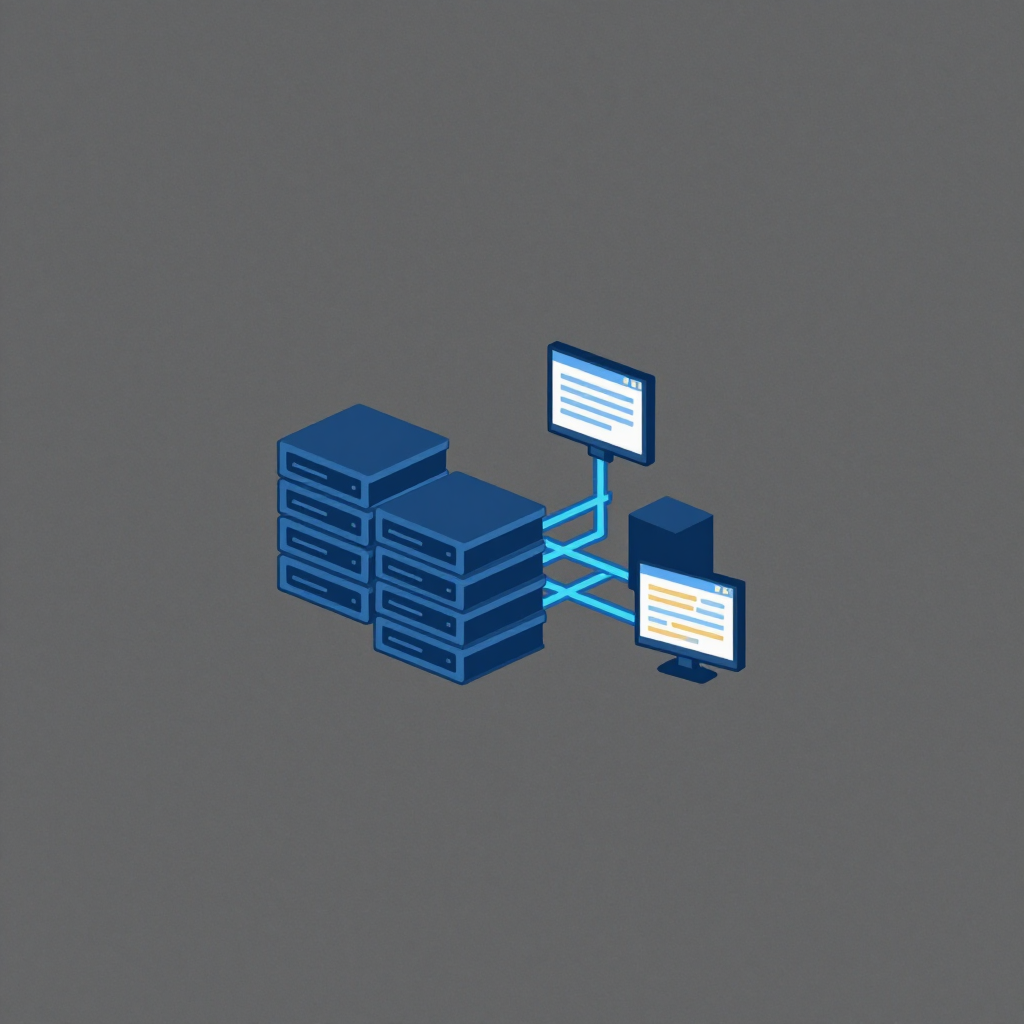
Let's get down to the engineering reality. Large language models (LLMs) are probabilistic text generators. They don't have a database of facts inside them. They are calculating the statistical likelihood of word sequences. This leads to hallucinations when they run out of parameters. To fix this, developers use Retrieval-Augmented Generation (RAG). RAG is a pattern that fetches documents from a search index and feeds them directly to the model as context before it writes a response.
Think of it like an open-book exam. The LLM is the student who writes well, but the search index is the library. Jess Peck explained it perfectly in late 2024: ChatGPT is not a search engine. When a user asks a question, the retriever converts the query into a vector representation, searches a knowledge base—which is the web index or a database—and injects those snippets into the prompt. The quality of the AI's response is directly limited by the data it retrieves. If a brand's website isn't structured for clean crawling and indexing, the retriever skips it. You aren't in the book, so the student can't copy your answers.
The retrieval step is the new battleground. According to John Mueller in the Search Engine Journal report, the crawlability and indexability of a site directly flow into AI summaries. It's the exact same pipeline under a different name.
The Architecture of Trust: Entity Signals and Technical Foundations
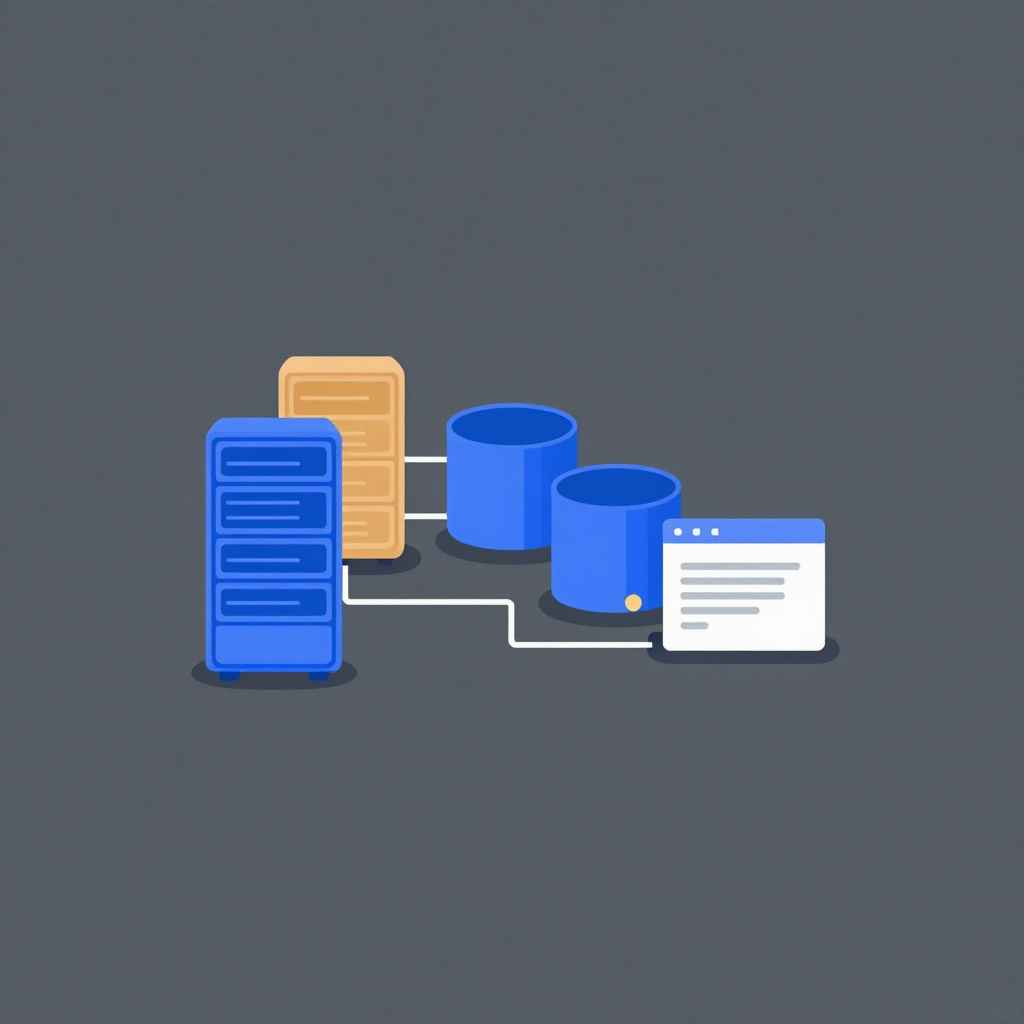
You can't optimize for RAG without technical SEO. It's just not possible. AI engines don't magically guess your product specifications. They rely on semantic HTML, logical site structure, and clean pathing. When you build a site with messy markup, you're raising the computational cost for the retriever. If a machine can't easily parse your content, it moves on. We aren't just optimizing for human eyeballs anymore; we are optimizing for parser efficiency.
Let's talk about the knowledge graph. When an AI search engine tries to verify a fact, it looks for strong brand entity signals. It matches mentions, links, and structured data to verify who you are and what you offer. If your entity footprint is weak or inconsistent, the model won't cite you because it can't trust the association. SEOs are the ones labeling data, structuring schemas, and keeping indexing paths clean. Without this work, AI retrieval engines would be swimming in a swamp of raw, unstructured text. Optimization isn't disappearing. It's becoming the absolute baseline for trust. We aren't passive bystanders catching AI-driven strays. We are the ones building the index that keeps these machines grounded in reality.
Vector Math and the New Indexing Scrapers
Historically, search engines matched exact string characters. Now, they match semantic vectors. A practical overview of RAG SEO shows how these models actively search for relevant external content when answering a query. When someone queries an AI tool, the retriever transforms that query into a mathematical vector representation. It compares that vector against its index of crawled document vectors to find matches. If your site structure is flat and clean, the indexing scraper maps your pages correctly. If you're blocking crawlers with bad JS or slow response times, your pages don't get embedded. No embedding, no math match. It's as simple as that.
This isn't theory; it's how RAG systems scale. When an AI crawler requests a page, it looks for semantic HTML to split content into clean text chunks. If your paragraphs are buried inside unlabelled divs or complex nested tables, the chunking algorithm shears your sentences in half. That ruins vector alignment. The retriever gets a broken snippet, and your brand's data gets ignored. This means clean semantic HTML is no longer just a recommendation for accessibility; it's a technical requirement for vector database ingestion.
Fueling AI Readiness: The Modern SEO Playbook
Smart teams aren't slashing their SEO budgets to fund AI projects. They are doing the exact opposite. They know that SEO is the plumbing for AI readiness. As Jamie Indigo noted, SEO runs the engine room that powers the ship. If you want your products or insights to show up in a Gemini Overview or a Perplexity citation, you need to double down on information retrieval fundamentals. You can't do GEO/AEO without SEO.
Here's the plan. First, ensure your content provides high information gain. AI models are trained to ignore duplicate, low-value regurgitations. They want unique insights, real data, and clear structured paths. Second, fix your site's indexing paths. If your crawl budget is wasted or your pages are blocked by clumsy JS configurations, the retriever won't see them. Third, build strong brand entities online. Ensure your schema is clean and matches your external profiles. Treat every webpage as a structured data source for a machine pipeline. It's not about rank tracking anymore. It's about data accessibility. If you keep the robots out with bad code, don't expect them to recommend you.