One Kernel, Six Screens
Apple doesn’t run six operating systems. It runs one—just dressed up in different clothes.
You think macOS, iOS, watchOS, tvOS, visionOS, and even bridgeOS are separate? Think again. They’re all the same kernel—XNU—wearing different skins. The difference isn’t in the foundation. It’s in the trimming. The iPhone doesn’t have a different soul than your Mac. It just has fewer buttons.
I remember when I first saw the XNU source tree on GitHub. Not because I was trying to compile it—God, no—but because I was curious how Apple kept everything so damn consistent. The same kernel that boots your MacBook Pro also runs your Apple Watch. That’s not engineering. That’s sorcery.
And it’s not new. It’s 30 years old.
The Kernel That Wasn’t Supposed to Be
XNU stands for "X is Not Unix." That’s not a typo. It’s a relic. A middle finger to the Unix purists who thought Apple’s new OS couldn’t possibly be real Unix because it didn’t come from AT&T or BSD directly.
It was born at NeXT, in Steve Jobs’ post-Apple garage-lab, in the late 1980s. Avie Tevanian, a Carnegie Mellon grad who helped build Mach, was hired to make something that could run Objective-C apps on top of a microkernel. Mach was elegant, pure, modular—but slow. Too slow for real work.
So Tevanian did what any sane engineer would do: he glued BSD onto it.
Not as a layer. Not as a plugin. He merged it. The BSD subsystem—networking, file systems, POSIX calls—was stitched directly into the kernel space. No IPC overhead. No context switches. Just raw speed. That’s the hybrid in hybrid kernel. Mach handles tasks and memory. BSD handles everything else. And IOKit? That’s the C++ glue that lets drivers plug in like USB sticks.
It’s not pure. It’s not clean. It’s messy. And that’s why it works.
The $427 Million Acquisition That Changed Everything
Apple bought NeXT in 1997 for $427 million. Not because they needed a better workstation. They needed a better OS. The Mac OS 9 architecture was a house of cards made of duct tape and wishful thinking.
When Jobs walked back into Apple, he didn’t bring a new product. He brought a kernel.
Darwin 1.0 dropped on April 5, 2000. Open source. Under the APSL. And suddenly, the world could see what Apple was building: a Unix-like foundation under Mac OS X. No more Classic Mode. No more ROM-based drivers. Just XNU, clean and cold, powering the future.
Mac OS X 10.0 Cheetah shipped in March 2001. And with it, the world got its first real taste of Apple’s new OS. But no one noticed the kernel. Not really. They noticed the Aqua interface. The Dock. The shiny buttons.
The kernel? That was the silent partner. The one who did all the work while everyone else got the applause.
The Mobile Pivot
Then came the iPhone.
In 2007, Apple took XNU and shrunk it. They cut the fat. Removed unused drivers. Tightened memory management. Added ARM-specific optimizations. And called it iPhone OS.
It wasn’t a new kernel. It was the same one, just wearing a tighter shirt.
watchOS? Same thing. A stripped-down XNU, optimized for S-series chips that run on less power than a LED nightlight. tvOS? Same. visionOS? Same. Even bridgeOS, the mysterious kernel that runs the T2 chip? Also XNU.
Every Apple device you own? Powered by the same 30-year-old hybrid kernel.
And here’s the kicker: they’re still improving it.
The FreeBSD Thread
The Register published a wild piece last month. NextBSD-redux—some open-source project that had been living on a decade-old fork of Apple’s BSD code—just dropped its fork and started pulling from Apple’s current FreeBSD source.
Why? Because Apple’s fork had moved on.
Not just a little. A lot. Since 2000, Apple’s XNU has been absorbing FreeBSD updates—security patches, network stack improvements, memory allocators—like a sponge. The open-source community thought they were tracking Apple’s code. Turns out, Apple was tracking theirs.
It’s not a one-way street. It’s a feedback loop. Apple takes FreeBSD’s best. Tweaks it for their hardware. Then, quietly, the changes flow back. That’s why NextBSD-redux had to abandon its own fork. Apple’s version had outgrown it.
This isn’t just code reuse. It’s code evolution. Apple didn’t just inherit BSD. They made it better.
The Apple Silicon Revolution
When Apple moved from Intel to ARM, they didn’t rebuild XNU. They retrained it.
The kernel now runs on x86_64 and ARM64 with near-identical code paths. The same zone allocator that powers your iPhone 15 also runs your Mac Studio. The same Pointer Authentication Codes that protect your data on watchOS are now on your MacBook Pro.
And the security? It’s not bolted on. It’s woven in.
Kernel Integrity Protection. Secure boot chains. Memory tagging. All baked into XNU since 2020. You don’t need a separate security layer. The kernel itself is the firewall.
Apple Silicon didn’t change the kernel. It just revealed how well it was built.
Why This Matters
Most companies build different OSes for different devices. Google has Android and ChromeOS. Microsoft has Windows and Windows IoT. Even Linux distros fracture into phone, desktop, server variants.
Apple? One kernel. One codebase. One team.
That’s why your Apple Watch can hand off a call to your iPhone, which hands it to your Mac, which hands it to your HomePod. The underlying protocol isn’t magic. It’s just the same kernel talking to itself across different form factors.
It’s not about compatibility. It’s about consistency.
And that’s why, when you open your Mac and your iPhone at the same time, they feel like they belong together. Not because of design language. Not because of iCloud. But because they’re running the same soul.
XNU doesn’t care if you’re on a 4-inch screen or a 32-inch display. It just runs.
And that’s the quietest, most powerful thing Apple’s ever done.
The Hidden Architecture
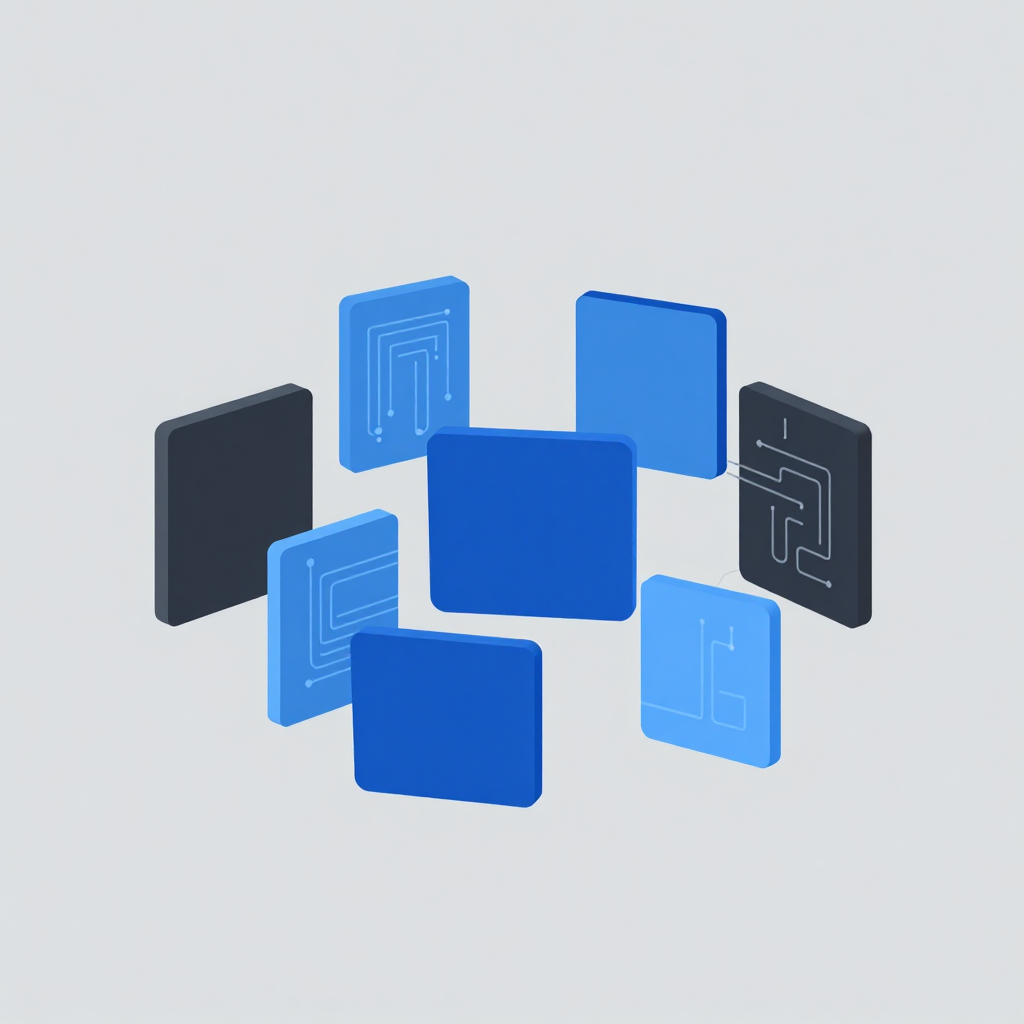
XNU isn’t a monolith. It’s three engines bolted together.
First: Mach. The microkernel. It’s the nervous system. It handles threads, tasks, virtual memory, and inter-process communication. Everything runs as a message. No shared memory. No direct access. Just ports and queues. Clean. Isolated. Safe.
Second: BSD. The muscle. This is where your shell lives. Where your files are stored. Where your network packets get routed. This layer is what makes XNU feel like Unix. It’s not a wrapper. It’s not a compatibility layer. It’s the real deal—derived from 4.4BSD-Lite2, then steadily updated with FreeBSD’s best fixes over the last 25 years.
Third: IOKit. The hands. Written in C++, it’s an object-oriented driver framework. No more kernel panics from a bad printer driver. IOKit lets drivers load dynamically, sandboxed, with automatic power management. Plug in a new Bluetooth headset? IOKit finds it, loads the right driver, and gets it running—all without rebooting.
And then there’s pexpert. The quiet guy in the back who handles interrupts, boot sequences, and power states. No one talks about pexpert. But without it, your Mac wouldn’t wake from sleep. Your iPhone wouldn’t dim the screen.
This isn’t modular design for aesthetics. It’s survival.
Apple ships over 200 million devices a year. Each with different chips, sensors, radios, displays. If every device needed a custom kernel, they’d need 200 million teams. Instead, they have one kernel that adapts.
The Open-Source Mirage
Apple open-sourced Darwin in 2000. They called it transparency. The community called it a gift.
It wasn’t.
The open-source XNU you can download? It’s the base. The parts that don’t touch Apple’s proprietary security layers. The parts that don’t run on Apple Silicon’s Secure Enclave. The parts that don’t handle Face ID or Touch ID.
The real XNU—the one in your iPhone? It’s got 15 years of private patches. Signed code. Hardware-specific optimizations. Kernel extensions that never made it to GitHub.
Open source gave Apple credibility. It gave developers a place to look. It gave them a way to say, "We’re not evil." But the kernel you can compile? It’s a shadow. The real thing? It’s locked behind a chip.
And that’s fine.
Because Apple doesn’t need your help to make XNU better. They’ve got a team of 50 engineers who live inside it. And they’ve been doing it since 1996.
The Future Is the Same Kernel
People talk about AI agents replacing apps. About context-aware UIs. About operating systems that don’t have apps at all.
Apple’s already there.
Because XNU doesn’t care what the UI looks like. It doesn’t care if you’re swiping on glass or talking to a speaker. It just manages memory, schedules threads, and protects processes.
The next version of visionOS won’t need a new kernel. It’ll just use the same one—with better memory tagging and a few new IOKit drivers for spatial sensors.
The next Apple Watch? Same kernel. Smaller power budget. More AI on the chip.
They’re not building new operating systems. They’re building new experiences on top of the same foundation.
And that’s why, in five years, you’ll still be using XNU. Just with better AI.
You won’t notice it.
But it’ll be there.
Always.