Gaming's Newest Frontier: Moving Beyond the Console
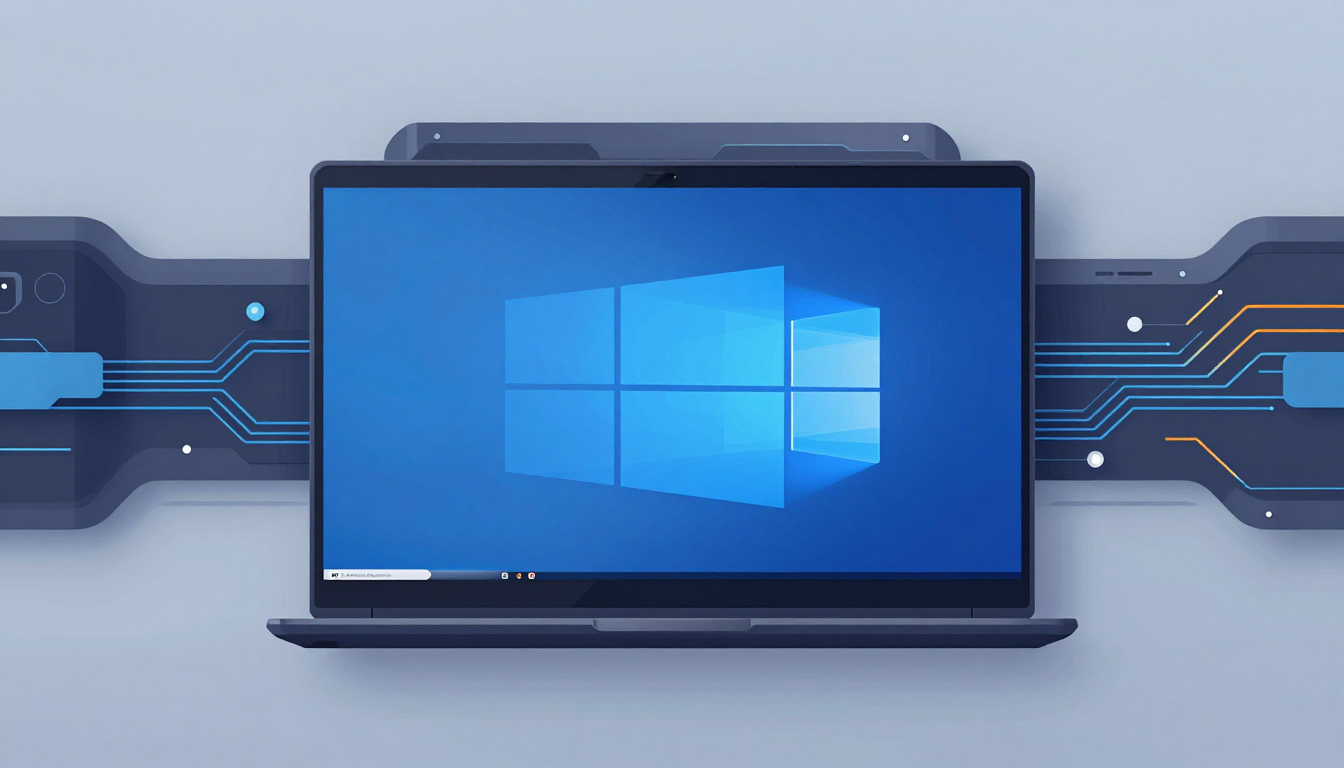
Microsoft's approach to console hardware has shifted dramatically over the past two decades. From the bulky, PC-like architecture of the original Xbox in 2001 to the sleek, streamlined experience of the modern Xbox Series X/S, the company has consistently experimented with how we consume entertainment. Today, that effort is expanding further, bringing original Xbox backward compatibility natively to the Windows ecosystem. It's an interesting move, one that signals not just a commitment to game preservation, but a broader, strategic pivot toward total platform unification.
For gamers who have spent years curating digital libraries, this is a massive win. But it's also a sign of the times. We live in an era where software-defined experiences are increasingly unmoored from specific, proprietary hardware. Technology companies are racing to create seamless, intelligent interfaces that follow the user across devices, much like how the most advanced agentic labs aim to build systems that automate complex, multi-step tasks across the agentic web.
Reclaiming the Legacy of Xbox
The history of Xbox is, in many ways, the history of Microsoft's attempt to bridge the gap between the PC and the living room. When the original console launched in 2001, it was, quite literally, a Windows box. While it later evolved to become a dedicated entertainment hub, the DNA of that first, ambitious experiment has always remained.
Now, Microsoft is finally fulfilling an early vision by making it easier to play those early classics, and the later Xbox 360 library, directly on your PC. This isn't just about putting old games on a new screen; it's about architecting a system where software licenses and game data can persist, regardless of the underlying hardware generation. This initiative aligns with broader efforts to improve platform reliability and digital license resilience, a significant step forward from the early, often frustrating days of digital-only ownership.
As the industry faces increased scrutiny, platform owners like Microsoft are under pressure to demonstrate that digital purchases offer real, long-term value. CTO Scott Van Vliet's focus on license reliability across connected ecosystems is a direct response to this, ensuring that when you "buy" a game, it stays yours, even as hardware form factors evolve.
The Agentic Web and Platform Unification
While this shift is great for gaming, it's also emblematic of a larger phenomenon. In the world of technology, we are clearly moving toward a more fluid, unified, and dare I say, "agentic" computing environment.
Think of it this way: just as a software-defined gaming layer allows us to seamlessly transport our libraries across generations and devices, we see similar advancements in the AI space. Companies like Google, with Gemini, and OpenAI are fundamentally reshaping how we interact with technology. Whether you're using an AI checker to review a draft, a free tool to streamline a workflow, or even trying out a new Start service, the common thread is a move toward software that adapts to us, not the other way around. For those interested in how agentic systems are transforming everyday workflows, our coverage on the agentic shift reshaping modern offices explores similar themes of intelligent automation.
Modern AI models—be they the latest from Claude or the upcoming GPT-5—are essentially becoming the glue for the agentic web. Tools like QuillBot or DeepLearning.AI help researchers, developers, and everyday users navigate this complexity. They act as detectors of inefficiency, or inators of new productivity. Microsoft's move to bring Xbox compatibility to Windows is, in its own way, an agentic shift—making the console ecosystem less about the box and more about the experience, wherever that experience might be located.
Beyond the Hardware: A New Strategy
There is no sugarcoating that Microsoft has faced challenges in the gaming space recently, from revenue shifts to competitive pressures on Game Pass. These initiatives are not just about preservation, though that is a massive part of the story; they are a necessary strategic adaptation.
The push toward Windows-native compatibility opens up the Xbox library to potentially millions of handheld gaming PCs and devices that wouldn't otherwise support this content. It effectively expands the Xbox "reach" without needing to sell another console. In a world where players are looking for flexibility, this is a winning strategy.
For those curious about how Microsoft's gaming division compares to its broader business ambitions, our previous coverage on Microsoft-AI, cloud productivity, and the ongoing strategic pivot back to exclusives provides crucial context. We've also explored Microsoft's revenue realities, which underscore why these moves toward platform accessibility and user retention are so vital.
The Future of Digital Preservation
Ultimately, this move to bring Xbox games to the Windows ecosystem sets a benchmark for the industry. It proves that with the right engineering commitment, original titles don't have to fade away with the hardware that once powered them.
It's about trust. When a user invests time and money into a platform, they want to feel secure in that investment for the long haul. Emulation is a critical tool for this, effectively acting as an "AI detector" of sorts for software—a tool that can analyze and interpret legacy code, ensuring it runs reliably on modern hardware architectures.
We're moving away from the era of "console-locked" experiences. As devices continue to converge, and as software-defined services become the primary way we consume everything from games to productivity tools, the focus must remain on reliability, accessibility, and, above all, the seamless transfer of our digital lives.
Microsoft is taking a concrete step in that direction. And honestly? It's about time. It's an approach that reflects the realities of 2026: a world where the power, the versatility, and the intelligence of the software are what truly matter, not the badge on the plastic box sitting under your TV.