Your Kid’s Brain Isn’t Done Yet
I used to think good parenting meant keeping them safe.
I was wrong.
The truth? Good parenting means letting them stumble—so they learn how to get up.
I’ve sat in courtrooms where honor students sat across from me, eyes hollow, hands shaking, after a single bad decision went viral. Not because they were bad kids. Because their brains hadn’t finished building yet.
And that’s the thing nobody tells you: intelligence doesn’t protect you. Neither does privilege. Neither does a perfect GPA.
Judgment is a muscle. And it doesn’t grow until it’s used.
The Myth of the "Good Kid"
You raise them right. You show up. You coach. You help with homework. You know their friends. You monitor their screen time.
And then—boom.
A text message. A party. A moment of bad judgment. A video that doesn’t disappear.
And suddenly, your "good kid" is in the news.
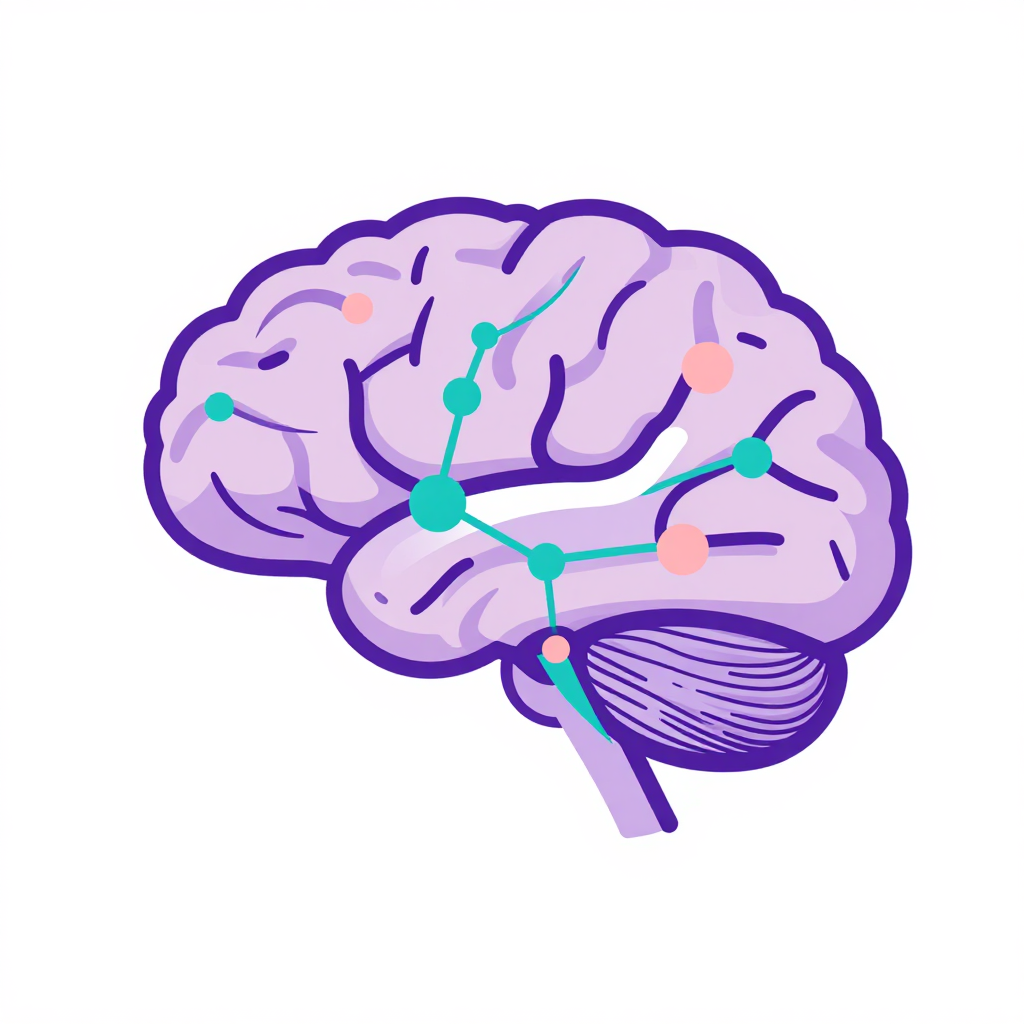
It’s not that they’re reckless. It’s that their brain’s CEO— the prefrontal cortex—is still under construction. It doesn’t finish until about age 25.
Meanwhile, the limbic system—the part that screams for dopamine, approval, and instant reward—is fully online.
So they know the risks. They just don’t feel them.
Not really.
Not until it’s too late.
Social Media Doesn’t Let You Forget
In my parents’ generation, a bad decision lasted a night.
Now? It lasts forever.
A photo. A video. A drunken confession. A moment of peer pressure.
All of it can be recorded, shared, reposted, and weaponized.
Sextortion. Digital blackmail. Catfishing. Reputation destruction.
These aren’t abstract threats. They’re daily realities.
And the justice system doesn’t care if your kid is a straight-A student.
It cares about what’s on the screen.
And once it’s out there? It’s out there.
The Justice System Isn’t Fair—And That’s Not Fearmongering
I know this is uncomfortable.
But you need to hear it.
Your kid’s status, your name, your income, your school—they don’t guarantee leniency.
I’ve seen wealthy kids get charged with felonies while others with similar offenses get probation.
Why? Because humans make the calls.
Prosecutors. Judges. Police.
They’re tired. They’re overworked. They’re influenced by bias.
And your kid? They’re just one case in a stack.
This isn’t about scaring you.
It’s about preparing you.
Because if you believe your kid is somehow immune, you’re not parenting—you’re gambling.
What Actually Works
Forget lectures.
Forget "I told you so."
What works?
1. Start the conversation before it’s urgent
Don’t wait for a crisis.
Talk about peer pressure before the party.
Talk about sextortion before they get a DM from a "friend."
Talk about consequences before the alcohol is poured.
You think they’re not listening?
They are.
They just don’t show it.
2. Build a code word
Yes, really.
A word. A phrase. A signal.
Something only you and your kid know.
"I need a ride." "I’m having a panic attack." "The dog’s sick."
When they’re scared, drunk, or trapped? They text it.
And you show up.
No questions.
No judgment.
Just you.
That’s the safety net.
3. Listen more than you lecture
I’ve seen parents who think they’re helping by talking.
They’re not.
They’re shutting down.
The moment you respond with anger, shame, or a lecture? Your kid stops talking.
And that’s when the real danger begins.
Ask questions.
Be curious.
Say: "Tell me what happened."
Not: "Why did you do that?"
4. Know their world
You don’t need to be TikTok fluent.
But you need to know what apps they’re using.
What’s happening in their DMs.
What’s trending on Discord.
What games they’re playing.
Because the risks aren’t on YouTube.
They’re in the private chats.
5. Normalize mistakes
Your kid will mess up.
They will.
And when they do?
You want them to come to you.
Not hide.
Not lie.
Not panic.
So make honesty safer than secrecy.
Say it out loud:
"I’d rather you tell me you messed up than find out from someone else."
Then mean it.
The Real Goal Isn’t Perfection
It’s resilience.
It’s the ability to pause.
To ask for help.
To own your mistake.
To rebuild.
You can’t control every choice they make.
But you can build the inner compass that guides them when the world gets loud.
The prefrontal cortex will catch up.
But only if they’ve had the chance to practice.
So let them fall.
Be the one who catches them.
Not the one who blames them.
Because when they know they have a place to land?
They’ll never stop asking for help.
And that? That’s the only thing that saves them.