
Introduction: Overturning the "Left-Hemisphere Only" Myth
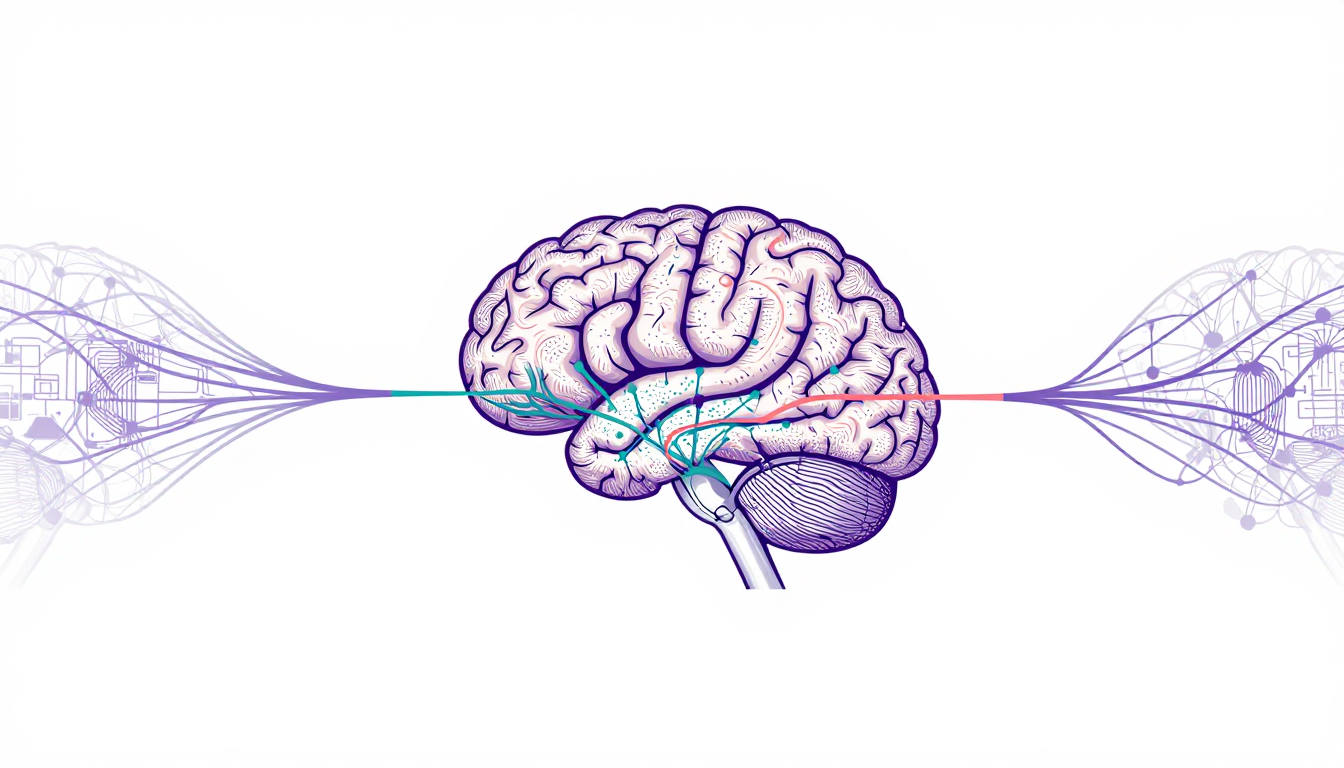
For decades, the story of language in the brain has been a simple one: Broca’s area handles production, Wernicke’s area handles comprehension, and both sit snugly in the left hemisphere. But a groundbreaking study from MIT, published in the Journal of Neuroscience, has just blown that story wide open. By analyzing fMRI data from 772 participants, researchers have uncovered 17 new language-processing regions scattered across the brain—including the cerebellum and hippocampus. These findings don’t just tweak our understanding of language; they rewrite it entirely.
The study, led by Agata Wolna and her team, challenges the long-held belief that language is confined to a handful of cortical areas. Instead, it reveals a sophisticated, distributed network that spans regions previously thought to be unrelated to linguistic processing. This discovery isn’t just academic—it could reshape how we approach everything from stroke rehabilitation to AI models of human cognition.
Methodological Innovation: Finding the Overlooked Signals
So, how did these researchers find what others missed? The key was a combination of scale and sensitivity. The team used a "language localizer" task, which compares brain activity while participants process real sentences versus nonwords (e.g., "blorping the zib"). This task is designed to isolate language-specific responses, but here’s the twist: Wolna’s team lowered the statistical thresholds typically used in fMRI studies.
Why? Because traditional thresholds are set to minimize false positives, but they also risk filtering out weaker, yet genuine, signals. By relaxing these thresholds, the researchers could detect subtle activations that previous studies had overlooked. The result? A map of the brain’s language network that’s far more detailed—and far more distributed—than anything we’ve seen before.
This approach isn’t without controversy. Some critics argue that lower thresholds could introduce noise, but the sheer size of the dataset (772 participants) helps mitigate that risk. When you see the same weak signal across hundreds of brains, it’s hard to dismiss it as random variation.
The Anatomical Discovery: 17 New Nodes
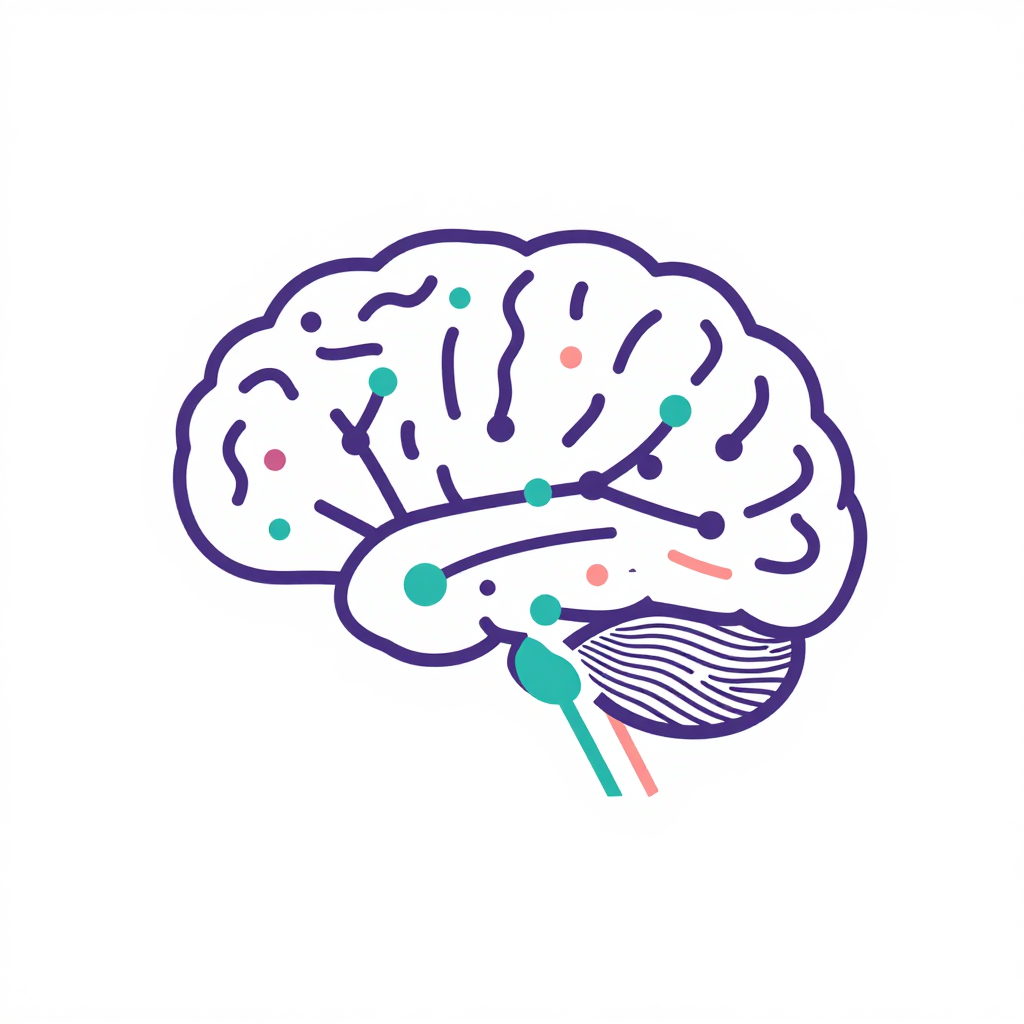
The study’s headline finding is the identification of 17 new language-processing regions. These aren’t just minor additions to the canonical network; they’re spread across areas that neuroscientists have long associated with other functions:
- Cerebellum (5 regions): Traditionally linked to motor control and coordination, the cerebellum is now revealed as a key player in language processing. Some of these regions appear to act as integration hubs, activated during both linguistic and non-linguistic tasks (like spatial memory). This suggests the cerebellum might be a sort of "data router," helping to coordinate information across different brain systems.
- Hippocampus: Known for its role in memory, the hippocampus also shows language-related activity. This makes sense when you think about it—language is deeply tied to memory, whether it’s recalling vocabulary or constructing narratives.
- Medial Frontal Cortex and Amygdala: These areas, involved in emotion and decision-making, also light up during language tasks. It’s a reminder that language isn’t just about grammar and vocabulary; it’s about meaning, context, and even emotional resonance.
Perhaps most surprising is the small footprint of these regions. Collectively, they make up less than 5% of the total adult brain volume. It’s a humbling reminder that even tiny areas of the brain can play outsized roles in complex cognitive functions.
Implications: Rethinking the Brain’s Language Network
This study doesn’t just add new nodes to the brain’s language map; it forces us to rethink how those nodes interact. The cerebellum, in particular, seems to be doing something fascinating. Some of its language-responsive regions are also activated during spatial memory tasks, suggesting they act as integration hubs. Think of them as the brain’s version of a high-speed internet router, shuffling data between different cognitive systems.
This has big implications for our understanding of language disorders. If language is truly distributed across the brain, then damage to areas outside the traditional language network—like the cerebellum—could still impair linguistic function. It also opens new avenues for rehabilitation. For example, therapies that target the cerebellum might help stroke survivors regain language skills, even if their Broca’s or Wernicke’s areas are intact.
And then there’s the AI angle. Most computational models of language are based on the old, cortical-centric view of language processing. If we want AI to truly mimic human language, we might need to build models that incorporate these newly discovered regions. That could mean designing systems that integrate memory, emotion, and even motor control into their linguistic processing—a far cry from today’s large language models.
Conclusion: The Future of Language Research
Wolna’s study is a milestone, but it’s also just the beginning. The next step is to figure out exactly what these 17 regions are doing. Are they processing syntax? Semantics? Pragmatics? Or are they handling something more fundamental, like the timing and coordination of language signals across the brain?
One thing is clear: the brain’s language network is far more complex and distributed than we ever imagined. As researchers dig deeper, we’re likely to find even more nodes—and even more connections between them. This isn’t just a story about language; it’s a story about how the brain works as a whole. And if there’s one lesson to take away, it’s this: never assume we’ve got the full picture. The brain always has more surprises in store.