
AI & Brain Injury Research
Articles on traumatic brain injury, concussion mechanisms, neuroinflammation pathways, and molecular research into brain trauma including TLR4 signaling, MMP9 activation, and neuroprotective strategies.
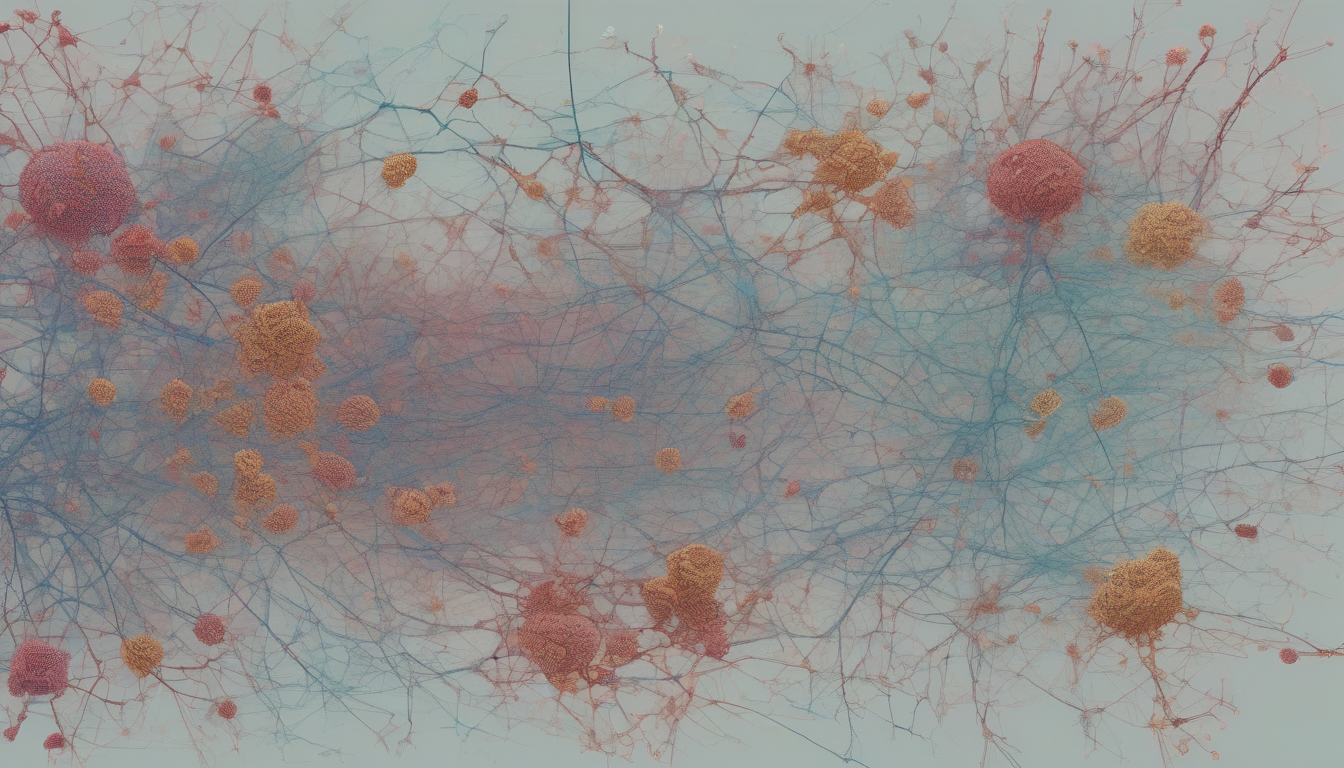
Decoding the Anatomy of Vulnerability: How Protein Isoforms Dictate Tissue-Specific Brain Pathology
This article explores the biological mechanisms behind selective tissue vulnerability in neurodegenerative diseases, using Spinocerebellar Ataxia Type 1 (SCA1) as a model case. The research explains why a harmful protein (mutant ATXN1) that is expressed throughout the body causes highly localized damage. It highlights that the regional abundance and binding preferences of Capicua (CIC) isoforms—specifically CIC-Long (CIC-L) and CIC-Short (CIC-S)—dictate where and how toxicity occurs, offering a
The Molecular Chain Reaction: How Concussions Activate a Brain-Damaging Immune Pathway
UC Riverside researchers identified the TLR4-MMP9 axis as the critical molecular link between mild traumatic brain injury and long-term cognitive deficits, revealing that even sub-clinical concussions trigger a progressive neuro-immune cascade that can be intercepted within a narrow 48-hour therapeutic window.