
AI Cognitive Architectures
Articles on memory systems, architectural constraints, and cognitive principles in AI language models — includingechoic buffers, forgetting mechanisms, and developmental learnability.
Transformer Attention’s Structural Weakness: Why LLMs Fail the Classic Stroop Test
A recent study examining Large Language Models (LLMs) through the lens of the psychological Stroop task has revealed significant, scaling-dependent limitations in their executive control and attention mechanisms.
Why Forgetting Makes AI Better at Grammar — Even When It Breaks Human Reading Prediction
A close look at fleeting memory transformers: how constrained recall in AI models reveals the surprising divide between learning language and processing it in real time.
Dismantling Cognitive Anchors: Serotonin’s Newly Uncovered Role in Updating Outdated Mental Models
New research challenges the long-held theory that obsessive-compulsive behaviors are merely automated habits, showing instead how serotonin levels govern the brain's ability to update its internal maps when the surrounding environment changes.
Serotonin Isn't Just a Mood Fixer — It's Your Brain's Belief Eraser
A landmark study reveals serotonin directly reduces 'belief stickiness' — the brain's failure to update its model of reality — reframing OCD as a computational glitch, not a habit, and unlocking a precise window for therapy.
Unlocking Potential: Clarifying Common Misconceptions About Early Literacy
Many parents are uncertain on how to best support their child's developing literacy. This article debunks five prevalent myths—such as the idea that reading is a natural process—and offers actionable, evidence-based practices to foster foundational literacy skills.
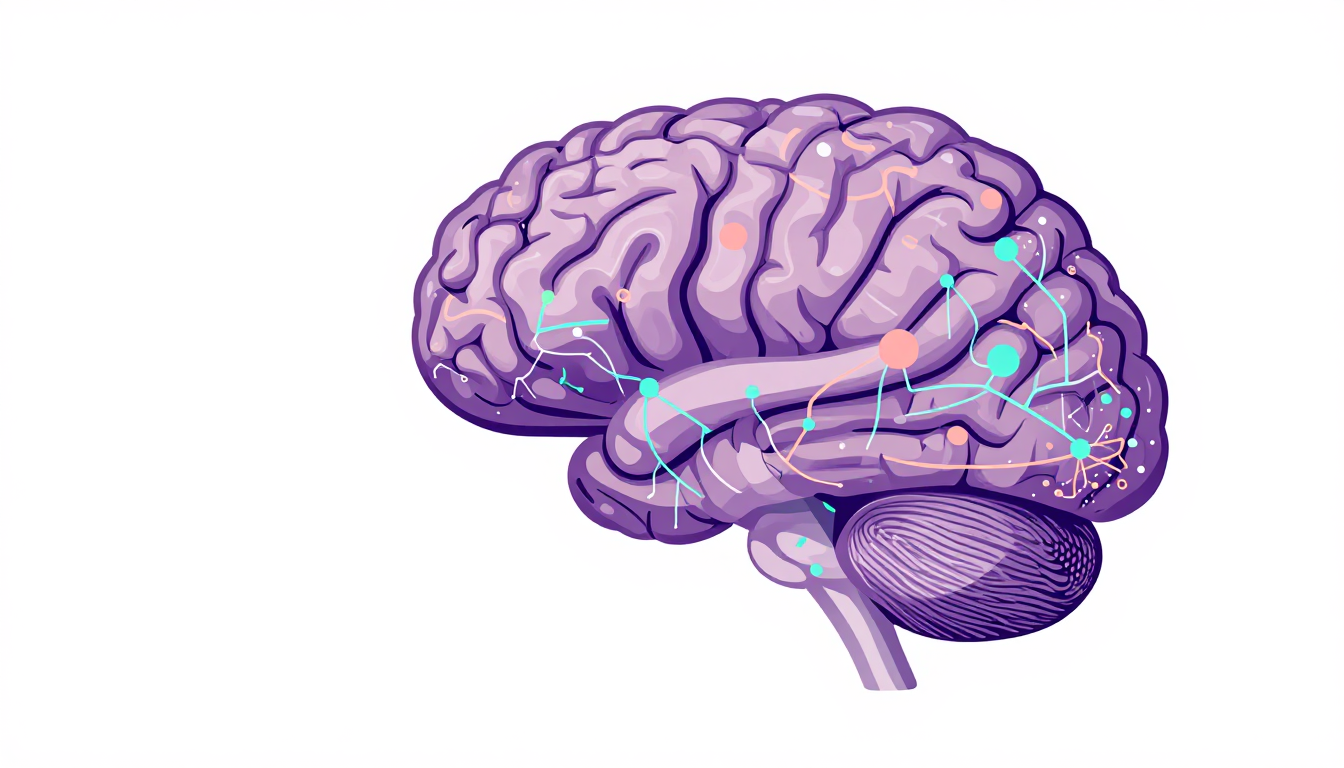
The Ancient Blueprint: How Lamprey Brains Reveal 450-Million-Year-Old Vertebrate Intelligence
Scientists have constructed the first comprehensive 3D single-cell atlas of a lamprey brain, uncovering that the common ancestor of all vertebrates possessed a sophisticated molecularly organized brain over 450 million years ago, with conserved gene-expression patterns strikingly similar to modern mammals.
Beyond the Law of Laziness: Why Humans Don't Actually Hate Effort
A new synthesis challenges the longstanding biological dogma that humans are inherently effort-averse, proposing instead that we only avoid 'wasted energy' and find meaningful effort deeply satisfying.
The Stale Mirror: How AI Memory Exploits a Century-Old Psychology Trick
A 1948 psychology experiment reveals why AI memory feels personal. For children still forming their identity, an outdated profile can lock them into a version of themselves that no longer exists.
Six Decades of Song Lyrics Reveal a Steady Turn Toward Moral Darkness
A Queen Mary University of London study analyzing 380,000+ popular songs from 1960 to 2023 finds that lyrics have shifted dramatically away from moral virtues like care and decency toward themes of harm, cheating, subversion, and degradation — with AI-driven analysis revealing a parallel surge in anger and disgust across six decades of music.