
Rethinking the Perimeter
Major gatherings aren’t what they used to be. From the noise of a FIFA World Cup to the historic significance of the United States' upcoming sesquicentennial, these events are massive, high-profile magnets for attention. They demand intense security. Our traditional focus—cameras, bag checks, perimeter fencing—is still essential, but it only scratches the surface. If your security team is only watching the front gates, they're already behind. The modern threat landscape has completely shifted, and it’s time our strategies accelerated to match.
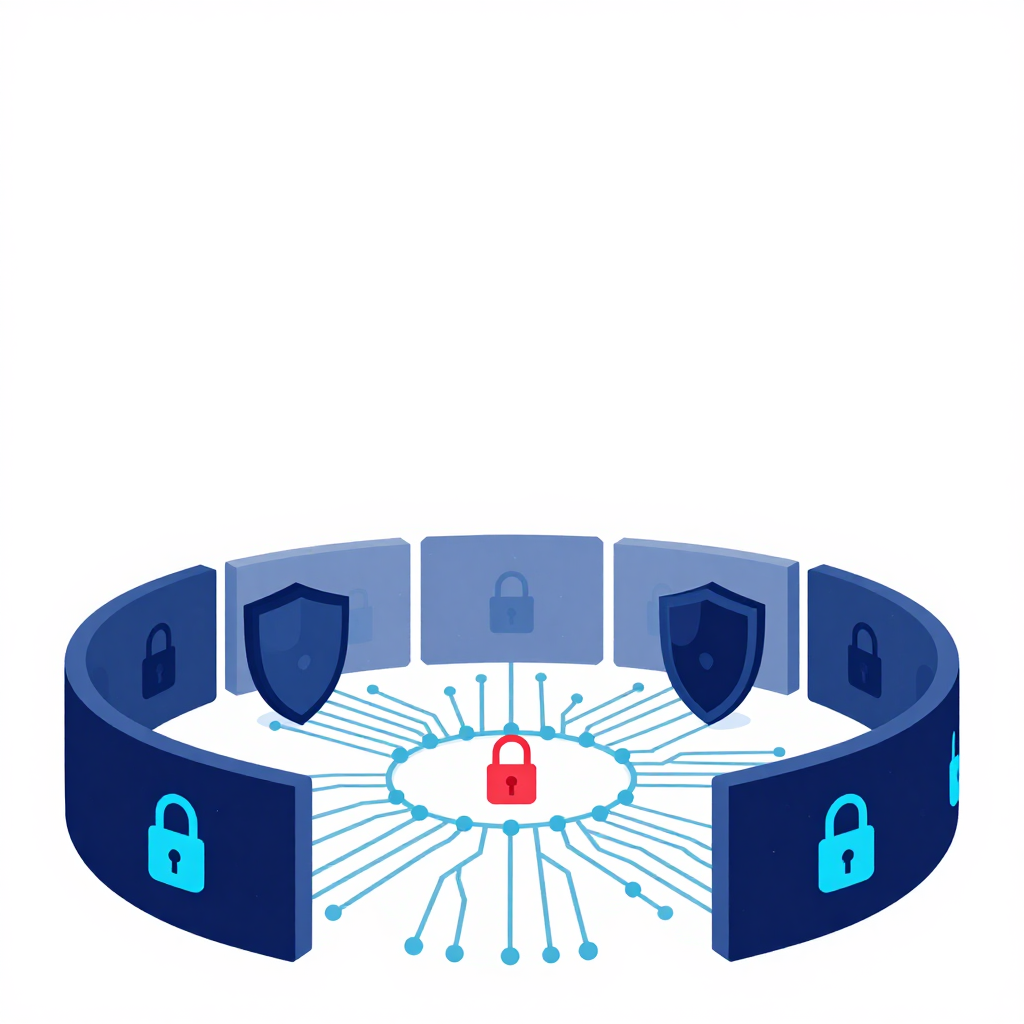
The 'perimeter' today is a relic of a simpler era. Indeed, as discussed in Cybersecurity Evolution: From Perimeter Defense to AI-Native Security, relying solely on traditional firewalls and physical gates leaves critical infrastructure exposed. This real perimeter now includes hotel reservation systems, vendor APIs, ticketing platforms, and the sprawling digital footprints of athletes, executives, and even regular attendees. Every node in that distributed network is a potential entry point for a threat actor looking to disrupt, defraud, or gain access. When we treat the venue as the only boundary, we leave vast swathes of the event's infrastructure exposed.
The Expanded Digital Surface
It’s tempting to think of an event through its physical components. But every major gathering today is backed by an enormous, interconnected digital infrastructure. Take ticketing mobile applications, for instance. They gather vast amounts of personal information, process payments, and link to corporate back-end databases. Each one is a target. When that app is compromised, it’s not just one person whose data is at risk; it’s the potential for widespread fraud, impersonation, or even the ability to bypass access controls, transforming a digital breach into a physical security event.
The vulnerability doesn't stop at apps. Temporary Wi-Fi networks in stadiums and fan zones, IoT-connected cameras for logistics, and the third-party providers supplying everything— from catering to transportation—all broaden the attack surface. Attackers aren't just looking for a way into a database; they are looking for the weakest link to force an entry. A breach in a small vendor's system, perhaps a local logistics company supporting the event, could easily provide a trusted back door into more sensitive environments. This isn't theoretical; it’s the standard operating procedure for modern, persistent threat actors.
Why Pre-Event Intelligence is Non-Negotiable
The smartest security programs don't react on event day; they act long before the crowds arrive. This is where threat intelligence becomes the centerpiece of the strategy, not an afterthought.
Threat actors start organizing early. They register domains that look like official portals, scrape employee information to craft spear-phishing campaigns, and monitor social media to understand the movements of high-profile attendees. By the time a mega-event actually begins, the groundwork for a breach or disruption is often already laid. This threat planning timeline was illustrated by a recent DHS information sharing network compromise discovered during early World Cup planning phases, showcasing how threat actors target critical coordination systems well in advance.
If your team isn't monitoring fringe platforms, dark web activity, or the digital signals being generated around the event’s brand and its key participants, you’re missing the warnings. Intelligence-led defense means actively looking for the "pre-event" digital footprints. It means identifying that shady domain registration or that suspicious uptick in chatter before it turns into a real-world incident. The Taylor Swift concert threat in 2024 is the perfect case study: intelligence surfaced, allowed authorities to act, and prevented a tragedy specifically because they understood the threat before the event day. That level of foresight is exactly what's required today.
Connecting the Dots: Physical Meets Digital
Perhaps the most dangerous point of failure is separating responsibilities between the "cyber" team and the "physical security" team. They often work on different platforms, report up through different leaders, and operate on different timelines. This silos our defense.
In reality, digital and physical threats are fundamentally inseparable. A phishing attack targeting a stadium operations manager is, at its root, a physical safety threat. A leaked list of hotel rooms for visiting delegations isn't just a data breach; it’s an immediate risk to executive protection.
Strong programs bridge this gap. They ensure the person monitoring network chatter communicates directly with the person overseeing camera security at the hotel. They create unified, intelligence-driven dashboards where a suspicious email signal triggers a check of the physical access logs for the affected individual. When physical security relies on digital intelligence to guide its daily screening, patrols, and perimeter checks, the whole operation becomes proactive, not just a reactive response to crises. It’s all about creating a unified, actionable picture of risk that is maintained and updated in real-time.
Operationalizing Threat Intelligence
So, you’ve got intelligence. Now, how do you operationalize it? The goal shouldn't be to generate endless reports that sit in an inbox. You need clear, tested, and reliable paths to act.
This means defining ownership early. Who is responsible for investigating a suspicious social media post about a protest? Who decides whether to take down a fake ticketing site? Who communicates directly with the event's partners about a potential supply-chain threat? These roles have to be decided in the quiet of the planning phase, not in the chaos of a breach.
Moreover, operationalizing means testing your assumptions. Can the physical security team actually receive and verify an alert from the cyber team in time to stop a physical entry? Are your vendor contracts clear about who's responsible for their own threat monitoring alerts? Are there clear, pre-agreed escalation channels with law enforcement and other public-sector partners?
If you can't say "yes" to these questions, you don't have a plan; you have a hope. And in this threat environment, hoping for the best isn't a sustainable security strategy. The teams that succeed are the ones that prioritize collaboration, share the same risk picture, and give their staff the clear authority they need to make decisions quickly. It’s not about seeing everything—that’s impossible—but it IS about seeing and acting on the signals that matter.