The Grid Is Already Breached
You think you’re safe because your firewall is up.
You’re wrong.
The breach happened months ago. Maybe years. And no one noticed.
It wasn’t a hacker in a hoodie. No ransom note. No screaming alerts. Just a silent process named PerfWatson2.exe—same name as a legitimate Microsoft telemetry tool—running quietly on a server in a water treatment plant in Laos. Or a power substation in Cambodia. Or a hospital network in Vietnam.
This isn’t about stealing data.
It’s about owning the grid.
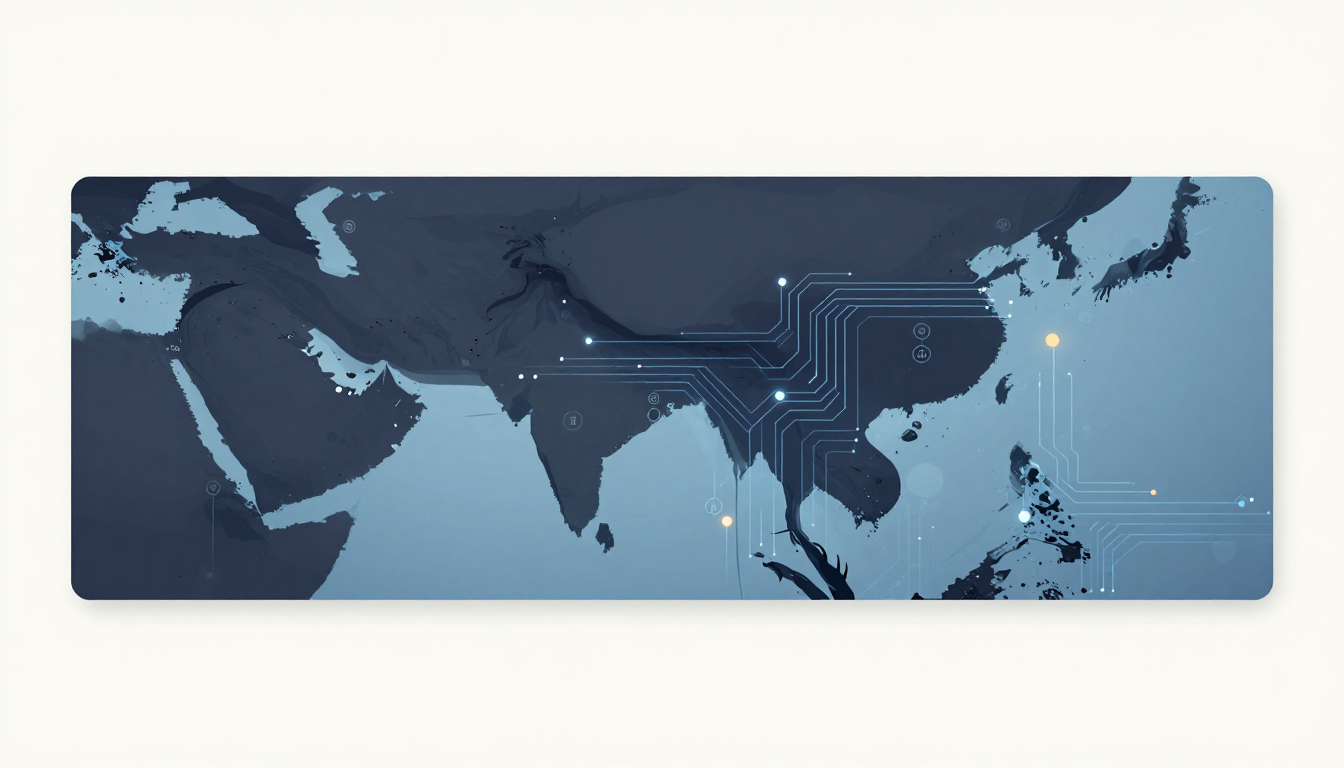
The group—known internally as CL-STA-1062—has spent the last 18 months mapping Southeast Asia’s critical infrastructure like a surgeon studying anatomy before the knife goes in. They didn’t blast through firewalls. They walked in through the front door. Someone clicked. Someone trusted a vendor. Someone forgot to update a patch.
And now? They’re waiting.
TinyRCT: The Ghost in the Machine
Meet TinyRCT. Not a fancy exploit. Not a zero-day. Just C#.
Plain. Boring. Microsoft-approved C#.
It doesn’t even try to hide. It just blends in. Runs as a background service. Uses the same registry keys, the same scheduled tasks, the same memory patterns as legitimate Windows tools. It doesn’t call home with encrypted payloads. It uses the same HTTP headers as a routine Windows update. The SOC team? They see it and move on.
And if someone tries to dig?
It self-destructs.
One wrong query in a debugger? Gone. A sandbox detection? Wiped. Even a network trace? It deletes its own logs before the packet leaves the machine.
No memory dumps. No disk artifacts. Just silence.
They’re not writing malware.
They’re weaponizing trust.
The Real Target Isn’t Data—It’s Control
This isn’t espionage.
This is preparation.
For every organization they’ve compromised, they’ve done one thing: mapped the control systems. SCADA. PLCs. HVAC. Water pumps. Electrical relays. Not to steal. Not to leak. To understand how to break them.
They didn’t deploy ransomware.
They didn’t delete files.
They didn’t even touch the data.
They just… watched.
Why?
Because they’re not trying to steal your secrets.
They’re trying to make your lights go out.
And when they do—when the power fails, the water turns brown, the trains stop—you’ll blame a storm.
But it won’t be a storm.
It’ll be a backdoor.
And it’ll have been there all along.
The Volt Typhoon Echo
You remember Volt Typhoon?
The Chinese APT that targeted U.S. critical infrastructure in 2023? Used the same tricks. Living-off-the-land binaries. Legitimate tools. Silent persistence.
This? It’s the same playbook.
Just moved south.
China’s cyber strategy has changed. No more stealing IP. No more leaking emails. Now? They’re building a toolkit to disable a country’s infrastructure—without firing a shot.
No bombs. No missiles.
Just a forgotten account. A misconfigured API. A vendor who didn’t patch.
And now? They’ve got ten of those in Southeast Asia.
We’re Looking in the Wrong Place
We’re still training analysts to spot PowerShell commands.
We’re still hunting for Cobalt Strike.
We’re still scanning for unusual outbound traffic.
But the real threat?
It’s not in the logs.
It’s in the silence.
The backdoor doesn’t scream.
It just… exists.
And we’ve trained ourselves to ignore it.
We’re measuring success by incidents.
But the real success? The ones we never find.
CL-STA-1062 has been active since 2024.
And they’re still here.
Still waiting.
Still watching.
The Uncomfortable Truth
If you’re responsible for critical infrastructure in Southeast Asia—you’re already compromised.
Maybe not today.
Maybe not tomorrow.
But you’re on their list.
And you won’t know until it’s too late.
We talk about defense.
We talk about detection.
But we’re not ready for an enemy who doesn’t need to attack.
They just need to wait.
And they’re already waiting.
The grid is already breached.
The lights are still on.
But for how long?
What We Can Do—Before It’s Too Late
This isn’t about buying more tools.
It’s about changing how we think.
Here’s what actually works:
-
Kill dormant accounts. Now. Not next quarter. Not when the audit’s due. Delete every account that hasn’t logged in in 90 days. Not lock it. Not disable it. Delete it. If someone’s not using it, it’s not theirs anymore. It’s theirs to exploit.
-
MFA on everything—even legacy. Yes, even that 2008 SCADA system. Even that vendor portal you haven’t updated since 2016. If it’s connected to the network, it’s a door. And we’ve left the key under the mat.
-
Audit third-party access daily. Not monthly. Not quarterly. Daily. If your vendor has access to your network, you need to know exactly what they’re doing—and you need to be able to cut it off in three seconds. Not three minutes. Three seconds.
-
Train staff to spot ‘normal’ anomalies. If a user logs in at 3 a.m. and runs PowerShell to list files? Don’t flag it as suspicious. Flag it as expected. Then ask: why is this happening? Who authorized it? Who’s watching?
-
Stop calling it ‘cybersecurity.’ Call it ‘infrastructure protection.’ Because that’s what it is.
We’re not defending computers.
We’re defending hospitals. Power plants. Water systems.
If you don’t treat it like that, you’re already losing.
This isn’t about firewalls.
It’s about culture.
It’s about leadership.
It’s about realizing that the next attack won’t come from a hacker in a basement.
It’ll come from a forgotten account.
A misconfigured API.
A vendor who didn’t update their software.
And if you’re still waiting for the alarm to sound?
You’re already too late.
The backdoor is open.
The lights are still on.
But for how long?