The Keyboard That Doesn’t Work
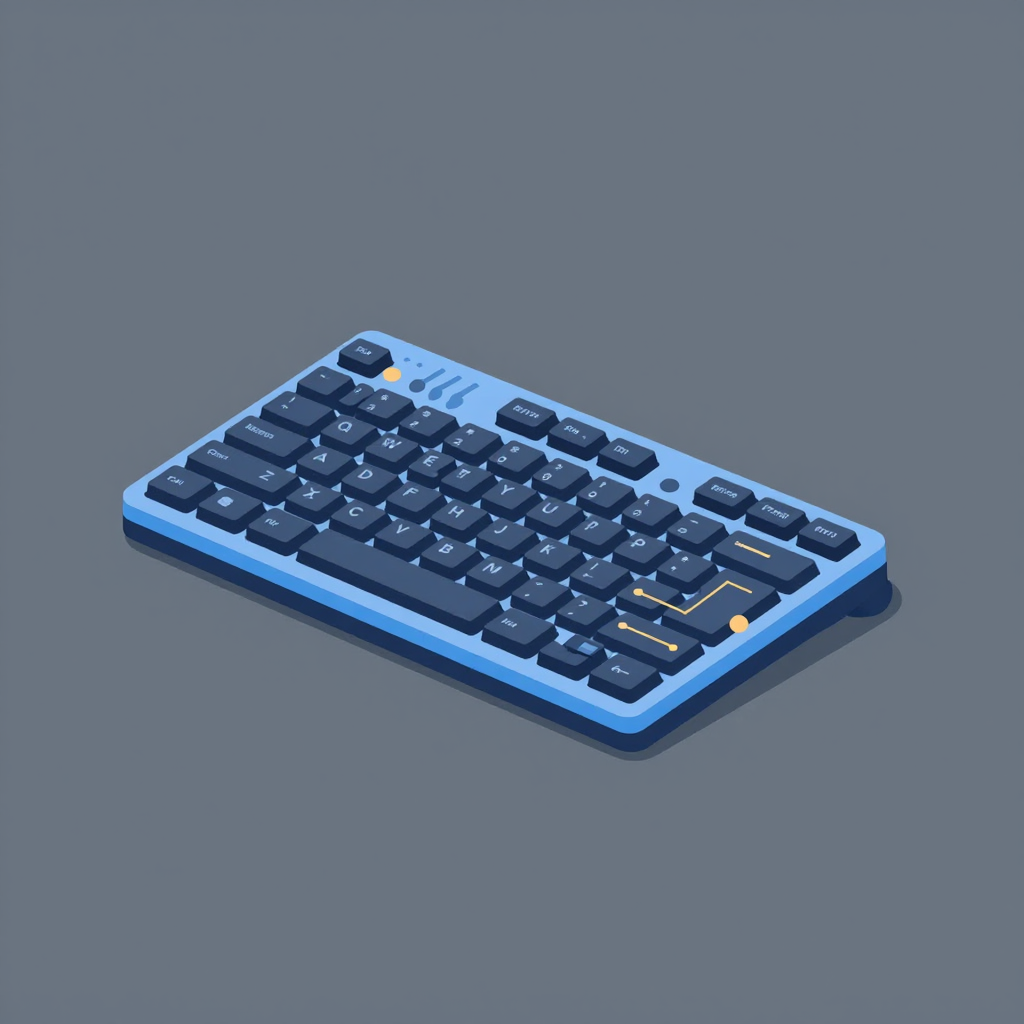
I pressed the Copilot key on my new laptop and got… nothing. Not a glitch, not a crash—just silence. Microsoft called it the first major keyboard redesign in 30 years. Turns out, it’s the first major keyboard redesign in 30 years that does absolutely nothing useful.
The key doesn’t open a tool. It doesn’t launch a command. It doesn’t even trigger a shortcut. It just opens a browser tab. A web app. A PWA. Microsoft’s own engineers admitted this wasn’t AI integration—it was a workaround. They removed the WINKEY + C shortcut because they couldn’t make the AI behave inside Windows. So now, to get AI help, you have to break your flow, look away from your screen, and click a button that does nothing but redirect you to a page you could’ve opened yourself.
This isn’t innovation. It’s surrender. Microsoft didn’t build an assistant into Windows. They built a link to a website. And they put it on your keyboard like it’s a goddamn trophy.
I used to hate the Windows key. Now I miss it.
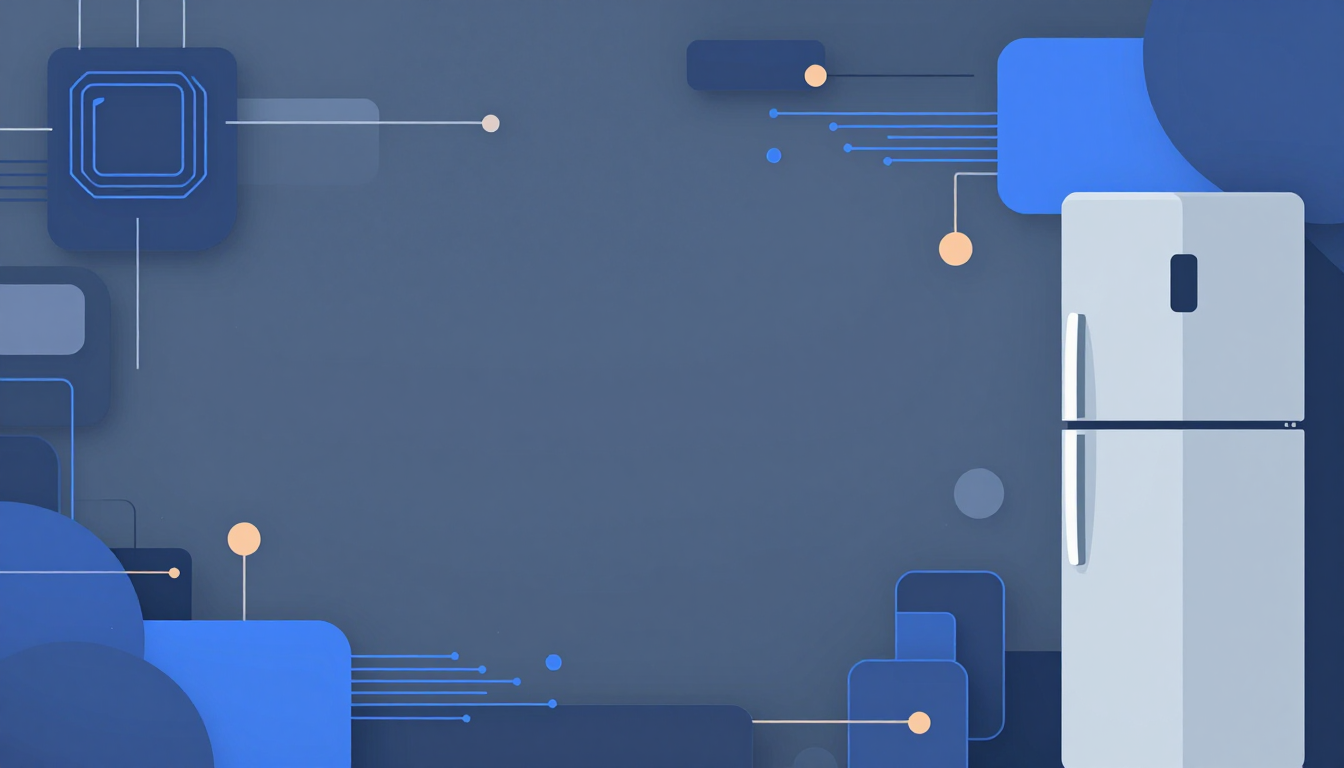
The Fridge That Judges You
Samsung’s smart fridge at CES 2026 didn’t just track my cheese. It judged me for it.
I watched the demo. The fridge’s camera recognized a half-eaten block of brie. Then it popped up a notification on its screen: "You’ve added 37% more dairy than your weekly average. Consider reducing." I didn’t even own a fridge like that yet, and I felt guilty.
This isn’t convenience. It’s surveillance with a smile.
The fridge doesn’t just know what’s inside. It knows when you eat late. It knows when you skip the gym. It knows when you didn’t play music during your "party." And it’s not asking. It’s telling. "Your pie intake is above threshold," it says, like a parent who’s been watching you since you were twelve.
And it’s not alone. Your smartwatch reminds you your heart rate spiked after that third glass of wine. Your vacuum notices you didn’t dance while cleaning. Your thermostat knows you turned the heat down because you were too tired to care.
We’re not building smart homes. We’re building nagging ecosystems. And we’re handing them the remote.
The AI That Isn’t Revolutionizing Anything
Ars Technica ran a piece last month about AI in climate science. The headline? "The AI Revolution Isn’t Revolutionary."
And honestly? Same.
We’re told AI will fix everything: weather forecasting, grocery lists, typing. But when you peel back the marketing, you’re left with the same old problems—just louder.
The AI that predicts rain? It’s just a fancy statistical model with a voice. The AI that suggests recipes? It’s a database with a personality. The AI that autocorrects your emails? It’s a grammar checker with delusions of grandeur.
We don’t need AI to make our tools smarter. We need AI to make our tools quieter.
The problem isn’t that AI is bad. It’s that it’s everywhere. And it’s never optional.
I don’t want a fridge that knows I ate pie. I want a fridge that shuts up and keeps the milk cold.
I don’t want a keyboard that interrupts me with suggestions. I want a keyboard that lets me type.
I don’t want a world where every device is watching. I want a world where some devices just… work.
What We Actually Want (And Why No One’s Listening)
The truth? Users aren’t against AI. We’re against being forced into it.
We want AI as a toggle. Not a default.
We want to turn it off without losing the core function of the device.
We want to know what data it’s collecting—and why.
We want to know if it’s just watching, or if it’s actually helping.
But manufacturers don’t care. They’re not selling tools anymore. They’re selling subscriptions to a surveillance lifestyle. And if you don’t like it? Too bad. You’ll have to buy a $300 dumb fridge.
And good luck finding one.
The market has decided: if it doesn’t have AI, it’s obsolete.
So we’re stuck.
We can’t escape.
And the worst part?
We’re the ones who asked for it.
We wanted "smart." We got "nosy."
We wanted efficiency.
We got judgment.
And now, every time we reach for a tool—any tool—we’re reminded: you’re not in control. The algorithm is.
The Last Good Tool I Used
Last week, I used a manual can opener.
No Wi-Fi. No camera. No voice assistant. No notifications. No "optimization." Just metal, leverage, and a little elbow grease.
It opened the can.
I didn’t feel watched.
I didn’t feel judged.
I just ate my soup.
And for once? It felt like a victory.
Maybe we don’t need AI to make our tools better.
Maybe we just need to stop making them so damn loud.
Sources
- The AI Revolution Isn’t Revolutionary — Ars Technica
- Samsung’s Smart Fridge May Be a Little Too Nosy — CNET
- Microsoft Makes Copilot Less Useful on New Copilot Plus PCs — The Verge