The $60 Billion Deal Didn't Slow Cursor Down
Let's be honest — when a company gets swallowed by a $60 billion acquisition, you expect the product roadmap to get buried under integration committees and cost-cutting reviews. That's exactly what happened at a lot of the startups SpaceX gobbled up post-IPO.
Cursor is proving that rule wrong.
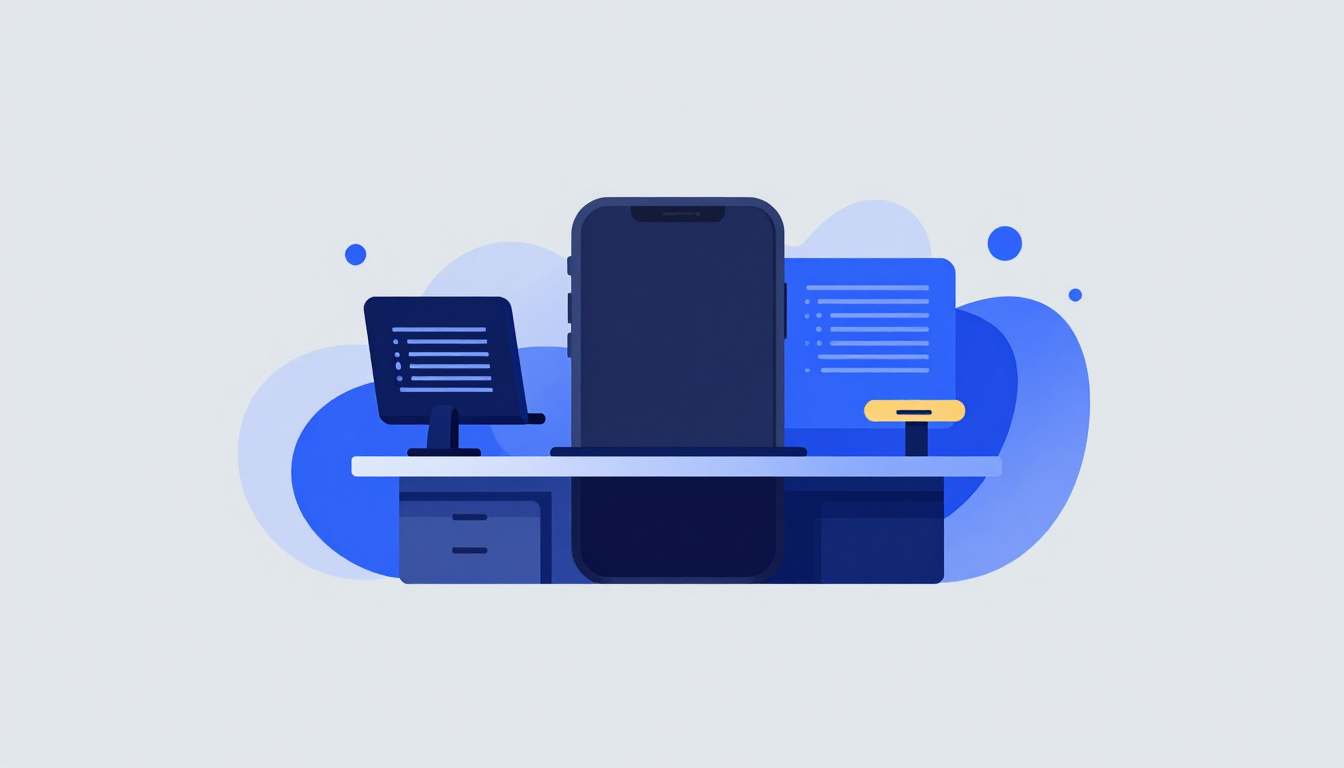
On Monday, the AI coding startup announced Cursor Mobile — a smartphone app that lets developers prompt and manage their coding agents from anywhere. No laptop required. No multi-monitor rig. Just you, your phone, and a conversation with an AI that writes code while you're stuck in traffic.
The timing says something. This isn't a side project Cursor dug out of a drawer. It's a deliberate move, and it arrives right as the entire industry is having the same realization: developers don't need desks anymore.
What Cursor Mobile Actually Does
Here's the short version: Cursor Mobile ties directly into Cursor 2.0, the platform overhaul that launched back in October and pivoted the product from autocomplete toward fully autonomous coding agents. With the mobile app, you can spin up brand-new agent sessions or pick up conversations you started on desktop and keep going.
Think of it like this. You're at your desk, you tell the agent to refactor a module, and then you have to run to a meeting. Instead of losing context or hoping the agent finishes on its own, you pull out your phone and check in. Ask a question. Redirect. The conversation continues.
It sounds small, but the implications are weirdly big. You're no longer chained to a keyboard for the duration of an agent session. The phone becomes a remote control for work that used to require your full attention.
Everyone Else Is Doing It Too
Cursor isn't the only one making this move. Anthropic and OpenAI have both rolled out mobile interfaces for their respective coding assistants — Claude Code and whatever OpenAI's calling its latest iteration. The pattern is clear: every major player in AI coding tools is racing to own the pocket-sized moment.
And honestly? It makes sense. As these agents get better at writing code autonomously, the developer's job shifts from "person who types" to "person who oversees." You don't need a massive monitor array to review code the AI just wrote. You need a screen you can glance at between meetings, during your commute, or while waiting for your coffee.
The shift is already happening in the wild. Boris Cherny, who leads Claude Code at Anthropic, put it bluntly in a recent talk: "Most of my coding now is on my phone. I would have said 'you're crazy' if you told me that six months ago, but yeah, here we are."
That's not a beta tester saying something optimistic. That's the guy who builds the product admitting he's already living in the future.
Why This Matters More Than It Sounds
Here's where it gets interesting. The move to mobile isn't just about convenience — it's a signal about what these tools are actually becoming.
When you're writing code yourself, you need a big screen. You need to see the file tree, the editor, the terminal, maybe a preview pane. Your desk is your workspace because the work happens on the desk.
But when an AI agent writes the code and you're overseeing? The interface shrinks dramatically. You don't need to see every line being generated. You need a way to give direction, check progress, and course-correct. A phone does that fine.
This is the abstraction layer doing its job. The tool is hiding more of itself, and that lets the developer's hardware shrink with it. It's the same reason you don't need a server rack to run a website anymore — the complexity moved somewhere else, and you get simplicity in return.
The Bigger Race Ahead
What we're watching here is the beginning of a new competition: not just which coding agent is smarter, but which one owns your daily workflow most naturally. The company that makes the best phone experience wins the developer who checks their agent between meetings instead of opening a desktop IDE.
For Cursor, this launch also sends a message to investors and competitors. Despite being acquired by one of the most powerful companies on Earth, Cursor is still shipping fast. The SpaceX deal changed their corporate parent, sure — but it hasn't slowed the product machine.
If anything, having that kind of backing might make things faster. More compute. More model access. Less pressure to raise another round just to keep the lights on.
The mobile coding race is going to get crowded fast. But right now, Cursor just made a move that says: we're not slowing down. We're just changing where you do the work.
Related: How AI Agents Are Reshaping Other Industries
The shift toward conversational AI agents isn't limited to coding. Companies like Databricks are building similar agent-based interfaces for business data, letting teams interact with analytics through natural conversation rather than dashboards. Read more about how AI agents are transforming data workflows.