The Pilot-to-Production Gap
Enterprises investing in AI frequently encounter a pattern that should surprise nobody who's been around long enough: proof-of-concept projects demonstrate compelling results, but the transition to production reveals fundamental weaknesses in data delivery infrastructure. The pilot environment often masks these issues through simplified assumptions, curated datasets, and relaxed performance requirements that don't reflect real-world operational demands.
I've seen this play out more times than I care to count. Teams spend months building a beautiful model, showing stakeholders impressive accuracy numbers on clean data, and everyone celebrates. Then comes the hard part — moving it into production where reality actually lives. That's when the cracks appear.
Why Data Paths Fail Under Operational Pressure
A proof of concept can forgive a fragile data path because it operates in isolation. Datasets are small, volumes are predictable, and failure modes are easily detected and corrected. You're working with a snapshot of data that someone took the time to clean, validate, and structure specifically for the pilot. It's a controlled environment by design.
Operational AI faces entirely different constraints. You're dealing with continuous data streams that never stop flowing, variable quality inputs coming from multiple sources simultaneously, strict latency requirements that users actually notice and complain about, and the need for fault tolerance that prevents cascading failures across dependent systems. The margin for error shrinks dramatically.
The difference isn't just scale — though that matters too. It's about complexity multiplying in ways that don't show up in a demo. When you're processing thousands of requests per minute instead of a few hundred test samples, every bottleneck becomes visible. Every assumption about data quality gets tested under pressure.
The Orchestration Challenge
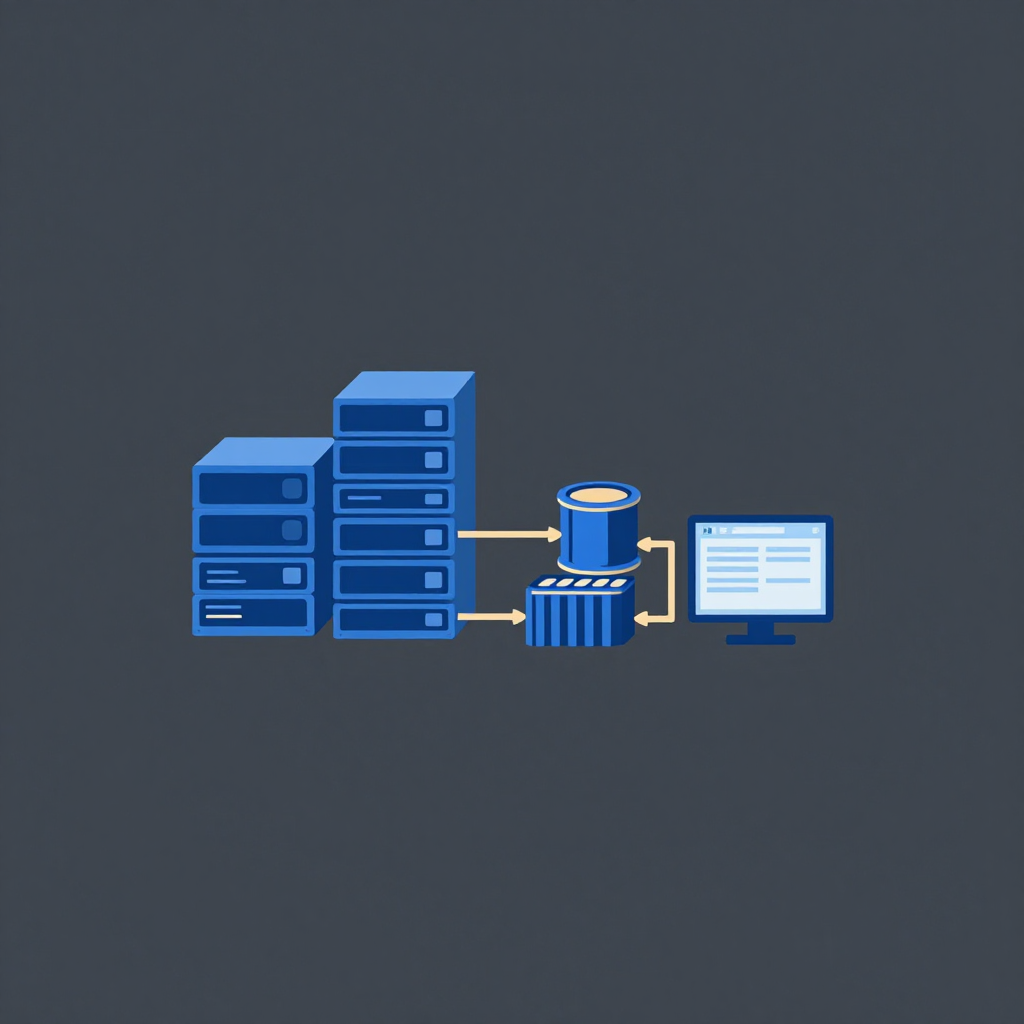
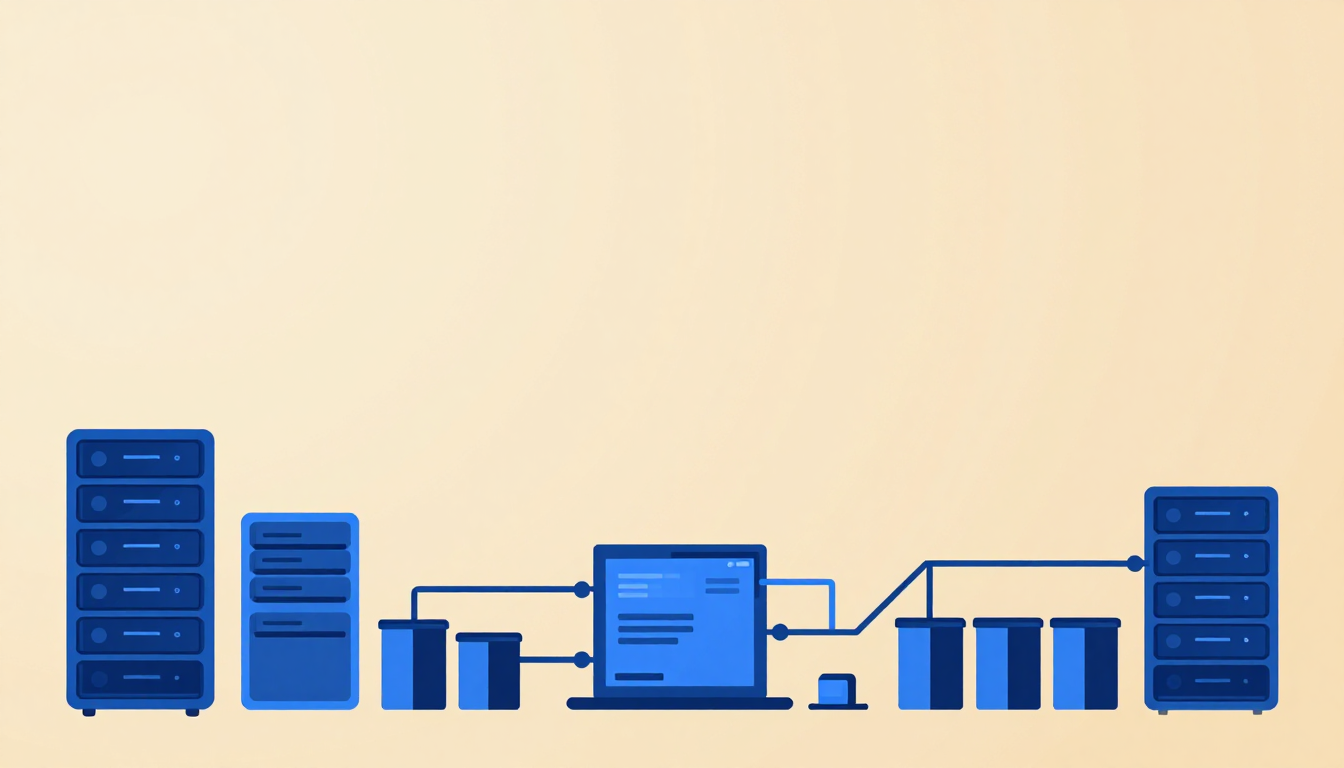
Moving AI workloads to production requires more than just model deployment. It demands robust orchestration that coordinates data ingestion, transformation, validation, and delivery across multiple systems. This is where most organizations stumble.
Think about what actually happens when an AI system goes live. You need to pull data from wherever it lives — databases, APIs, event streams, file stores. Then you transform it into the format your model expects. You validate that it meets quality standards. You deliver results back to whatever system needs them. Each step introduces potential failure points.
When any component in this chain degrades, the entire AI workflow suffers. A slow database query doesn't just make one request take longer — it backs up the entire pipeline. A malformed record doesn't just fail for that one item — it can corrupt downstream processing if your validation isn't tight enough. These aren't theoretical concerns.
The difference between a pilot and production is often measured in how gracefully these systems handle degradation rather than complete failure. Can your system keep working when things aren't perfect? That's the real test.
Building for Operational Reality
Enterprises that successfully transition AI from pilot to production invest early in data infrastructure maturity. This isn't optional — it's the foundation everything else builds on. Without solid data delivery, even the best models fail.
This means implementing comprehensive monitoring that actually tells you what's happening in real time. Not just whether the system is up or down, but whether data quality is degrading, whether latency is creeping up, whether error rates are climbing. You need visibility into the health of your data paths before users notice problems.
It means establishing data quality SLAs that define what acceptable looks like. Not vague promises, but concrete metrics with clear thresholds. When does a data quality issue become an incident? Who gets notified? What's the response time expectation?
It means building retry and fallback mechanisms that handle transient failures without manual intervention. Networks hiccup. APIs throttle. Databases get slow. Your system needs to handle these gracefully rather than crashing spectacularly.
The organizations that recognize data delivery as the critical success factor — rather than treating it as an afterthought — consistently outperform those that focus solely on model performance. This isn't just my opinion based on watching projects fail. It's what the evidence shows when you look at what actually separates successful AI deployments from expensive failures.
The Hard Truth About Data Infrastructure
Here's what most AI projects don't want to hear: your model is probably not the problem. The data path feeding it is.
Teams spend enormous effort optimizing algorithms, tuning hyperparameters, experimenting with architectures. All valuable work, sure. But if your data delivery is fragile, you're building a Ferrari engine and putting it in a car with flat tires.
The proof of concept phase creates a dangerous illusion. Everything works because the data path has been carefully prepared, sanitized, and optimized for the demo. Stakeholders see impressive results and assume the hard part is over. But that's exactly when you need to start worrying about operational reality.
Production AI doesn't care about your demo data. It processes whatever comes through the pipeline, whenever it arrives, in whatever condition it finds it. The systems that survive this transition are the ones designed for resilience from day one, not bolted on after problems emerge.
What Success Actually Looks Like
Successful AI operations share common patterns. They treat data infrastructure as first-class citizen, not an afterthought. They invest in observability before they need it. They design for failure because failure will happen.
They build systems that can operate effectively even when data paths experience partial failures. Not perfect operation — effective operation. The difference matters. Perfection is impossible in production. Effectiveness is achievable with the right design.
The organizations getting this right understand that operational AI demands reliability that only disciplined infrastructure can provide. Not fancy algorithms, not cutting-edge models — just solid, well-designed data delivery that works when it matters most.
This is the gap between pilots that impress and productions that deliver. Cross it wisely.