
The Brain Doesn't Sleep to Rest. It Sleeps to Clean Up.
You think sleep is downtime? Wrong. Your brain is working harder in deep sleep than it ever does watching Netflix.
Every time you learn a name, taste coffee, or feel a pang of jealousy—your neurons fire. They strengthen connections. They build new synapses. It's how you learn. It's how you live.
But here's the brutal truth: your brain can't keep building forever.
After 28 hours without sleep, your hippocampus—your memory center—is clogged. Not with fatigue. Not with stress hormones. With physical, measurable synaptic density. And it's not just your hippocampus. Your thalamus, the brain's central switchboard, is overloaded too.
This isn't theory. It's PET scans. Real, living human brains. SV2A, a protein inside synaptic vesicles, lit up like a Christmas tree in sleep-deprived subjects. Not a metaphor. Not a model. A direct, molecular snapshot of neural traffic jam.
Sleep isn't rest. It's cleanup.
And if you skip it? Your brain doesn't just feel tired. It gets clogged.
I've seen it in the clinic. Patients who swear they "don't need much sleep"? They're not tough. They're just running on borrowed synaptic bandwidth. Their memory falters. Their focus shatters. They snap at their kids. They forget where they put their keys.
It's not personality. It's physics.
And your brain knows it.
When you finally do sleep, the deeper the slow-wave activity, the higher the SV2A load was. Your brain isn't just sleeping. It's screaming for a reset.
This isn't about being productive. It's about survival.
Your brain isn't a machine you can overclock. It's a living ecosystem. And ecosystems need tides. They need pruning. They need silence.
If you think you can hack sleep, you're not a pioneer. You're a neurobiological fool.
And your synapses? They're paying the price.
The Myth of "Just a Little Fatigue"
We've all said it: "I'll sleep when I'm dead."
It's a badge of honor. A flex. A way to say, "I'm too busy for biology."
But biology doesn't care about your hustle.
The study I'm referencing didn't just find elevated SV2A in sleep-deprived brains. It found something far more terrifying: the higher the SV2A, the more intense the deep sleep that followed.
That's not coincidence. That's feedback.
Your brain isn't just asking for sleep. It's begging. It's screaming. It's flooding your system with slow-wave activity because it's drowning in its own growth.
Think of it like a city. You build roads, add traffic lights, open new intersections. That's wakefulness. Productive. Necessary.
But if you never shut down the construction crews? If you never remove the debris? The city doesn't just get congested—it collapses. Traffic jams become gridlock. Ambulances can't get through. Power lines snap.
That's your brain after 28 hours awake.
The SV2A increase was small. But small doesn't mean insignificant. In a living human brain, even tiny structural changes can cascade into catastrophic failure.
And here's the kicker: you don't need to pull an all-nighter to trigger this.
Chronic partial sleep deprivation? That's the quiet killer.
You think you're fine sleeping 5.5 hours a night? Your hippocampus is still accumulating synaptic debris. Your thalamus is still clogged. Your brain is running on a permanent, low-grade overload.
And you? You think you're just "a little tired."
You're not. You're neurologically compromised.
And you're probably proud of it.
That's the tragedy.
We've turned biological necessity into a weakness. We call sleep lazy. We call exhaustion a virtue.
But your brain? It knows the truth.
It's screaming for a reset. And you're ignoring it.
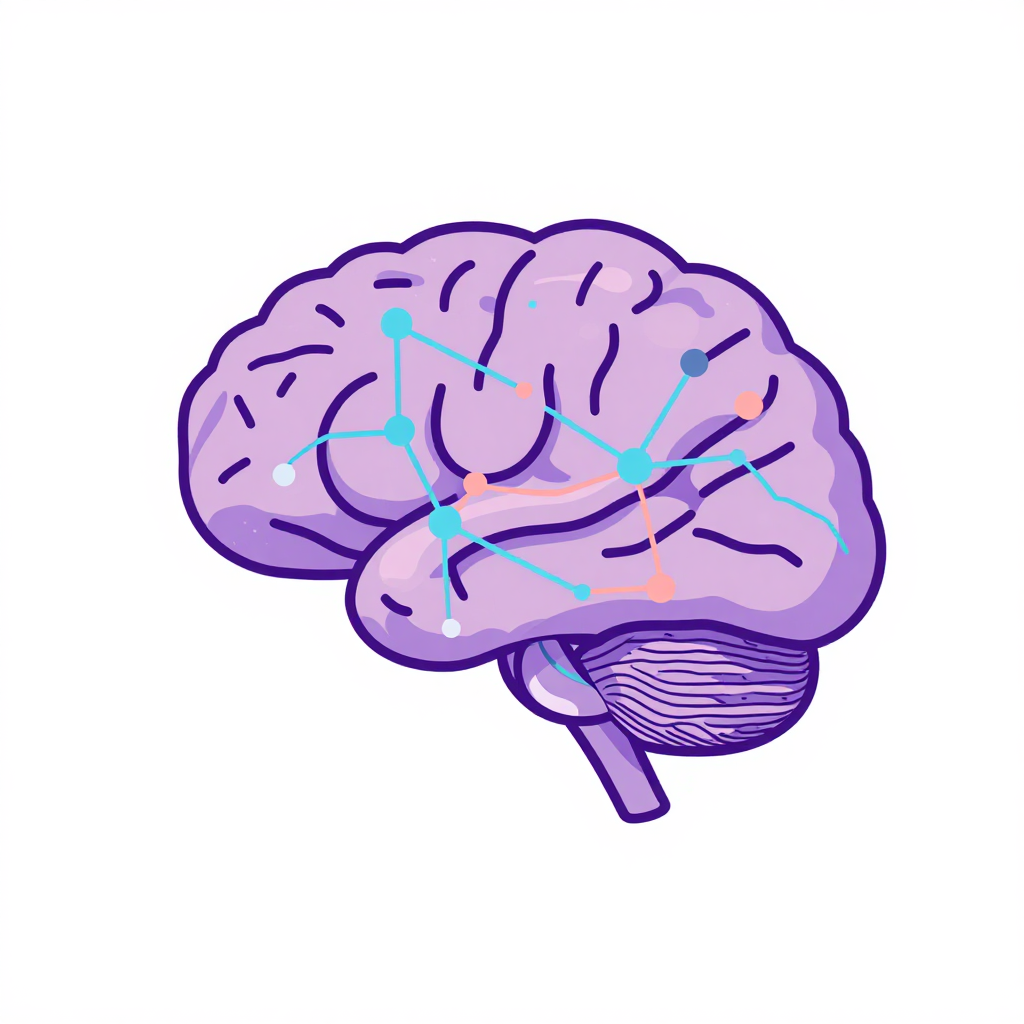
Transient vs. Permanent: What Sleep and Learning Do to Your Brain
Here's the twist no one talks about.
The same brain that gets clogged from sleep deprivation is the same brain that grows stronger from learning.
But they're not the same thing.
The study from PLOS Biology? It showed something revolutionary: learning triggers two distinct biological responses.
One is transient. Fast. Temporary. Like a swelling after a sprain.
The other is sustained. Permanent. Structural.
Sleep deprivation? It's the transient response. A flood of synaptic density across the hippocampus and thalamus. A temporary overload. A biological alarm bell.
Learning a new skill? That's the sustained response. A targeted, lasting increase in cell-process density—only in the motor cortex, only where you trained.
The difference?
One is a crisis. The other is growth.
One is your brain screaming, "I can't take it anymore!" The other is your brain saying, "I'm building something new."
And here's the kicker: if you're sleep-deprived while learning, you're not building. You're drowning.
Your brain can't distinguish between synaptic growth from learning and synaptic growth from sensory overload.
So if you're pulling all-nighters to cram for an exam? You're not strengthening your memory. You're clogging your memory center.
You think you're being productive?
You're sabotaging your own neuroplasticity.
And the worst part?
You'll never feel it.
Because the damage isn't in your mood. It's in your synapses.
Your brain doesn't tell you when it's full. It just gets slower. Less precise. Less creative.
And you call that aging.
It's not aging.
It's neglect.
Your brain doesn't need more hours. It needs better sleep.
And you? You need to stop glorifying exhaustion.
For more on how sleep deprivation impairs memory retrieval at a molecular level, see Sleep Deprivation: Why Your Brain Loses the Keys to Social Memory.
The Silent Epidemic of Neurological Debt
We track our calories. Our steps. Our heart rate.
But we don't track our synaptic debt.
And that's the problem.
There's no app for synaptic density. No Fitbit for SV2A.
So we assume we're fine.
We're not.
The average adult in the U.S. sleeps 6.8 hours a night. That's not enough. Not even close.
And every hour you fall short? Your brain is accumulating synaptic residue.
It's like compound interest—except instead of money, you're accruing neural clutter.
And the interest rate? It's brutal.
A single night of poor sleep? Your hippocampus is less efficient the next day.
Two nights? Your emotional regulation tanks.
Four nights? Your immune system starts to fail.
And if you do this for months? Years?
You're not just tired.
You're neurologically bankrupt.
And you'll never know until it's too late.
There's no MRI scan for "I think I might be at risk for early cognitive decline." But there should be.
We need to start measuring synaptic health.
Not just sleep duration.
Not just sleep quality.
But synaptic load.
Because the brain doesn't care how many hours you slept.
It cares how much debris you left behind.
And if you're not sleeping enough to reset it? You're not just losing sleep.
You're losing your mind.
Slowly. Quietly. Irreversibly.
And you're probably proud of it.
That's the real tragedy.
We've turned biological necessity into a personal failing.
We need to stop.
Your brain doesn't need more coffee.
It needs more silence.
For a deeper look at how sleep interacts with genetics to affect long-term brain health, see Your Sleep, Your Genes: How AQP4 Variants Turn Poor Rest Into Brain Shrinkage.