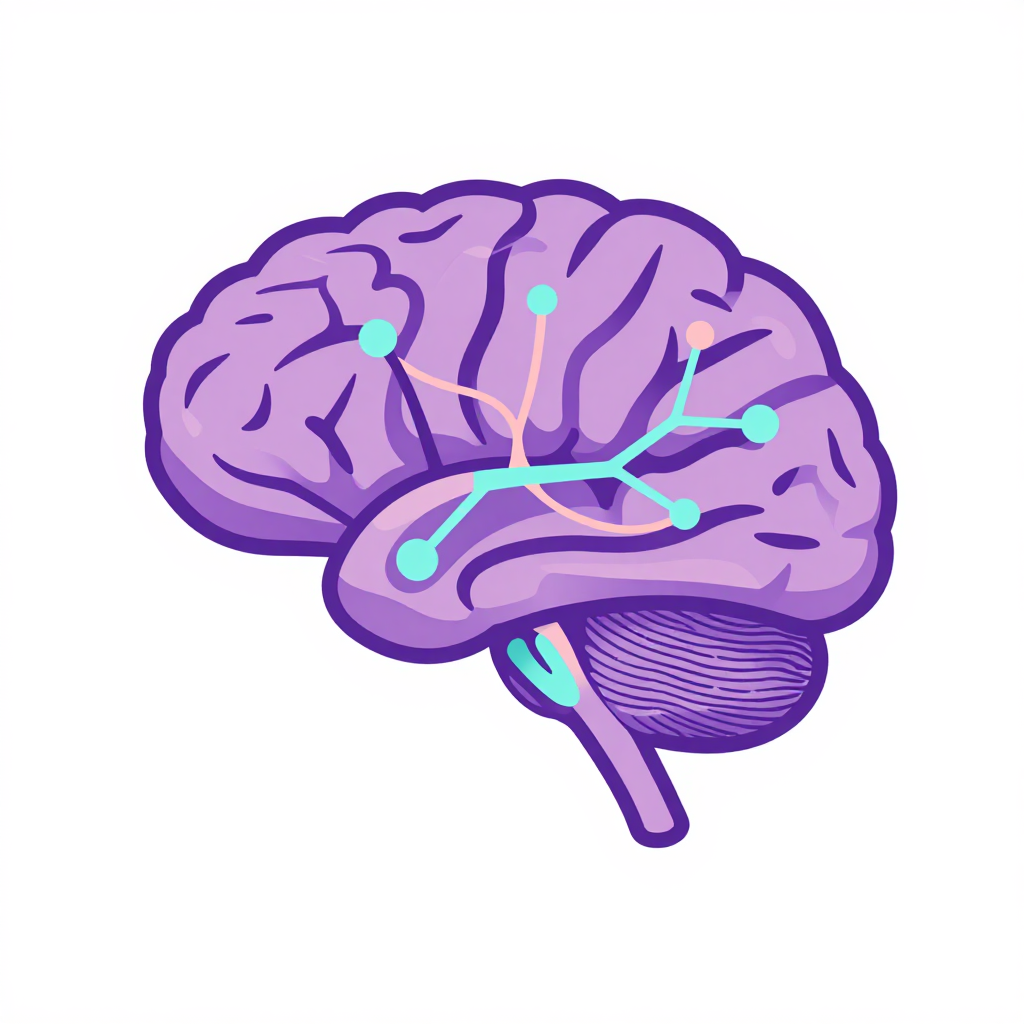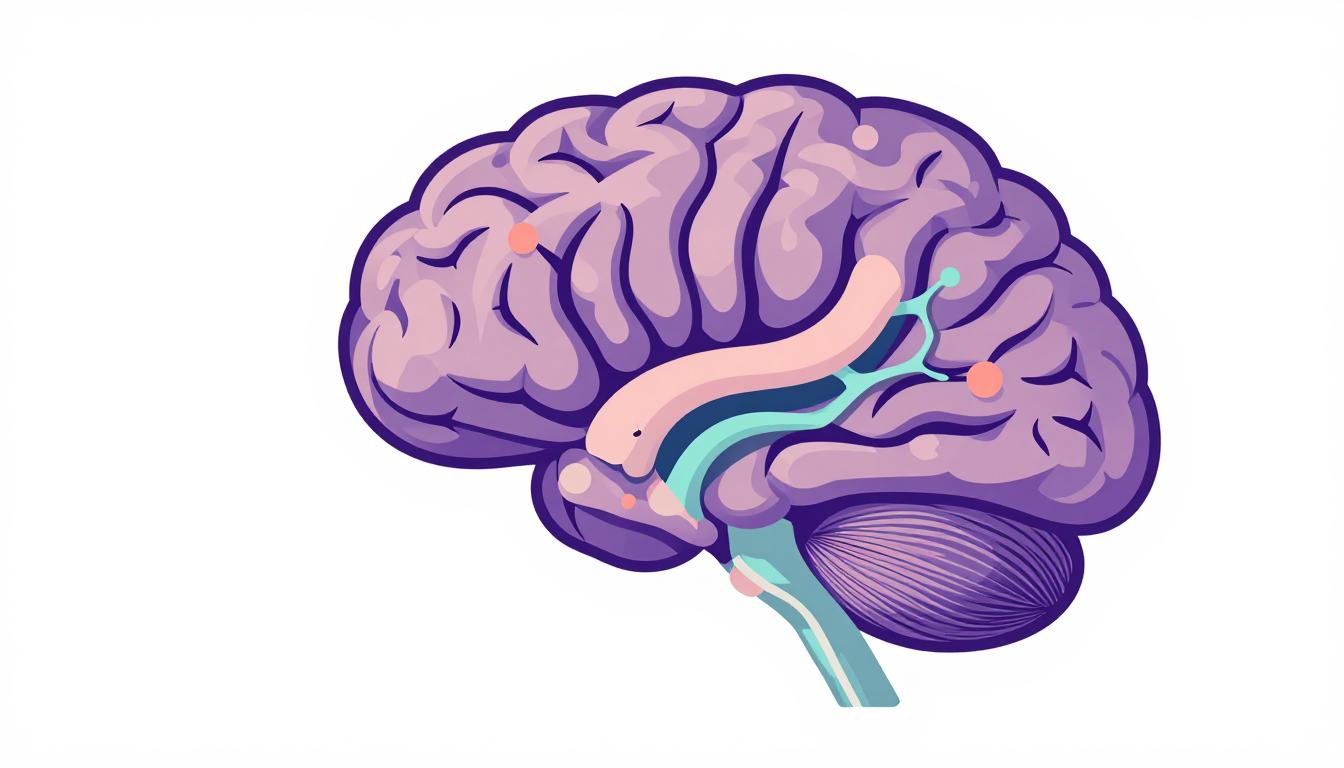
You Can Sleep Just One Half of Your Brain
I’ve spent years watching people try to hack sleep. Supplements. Blue-light blockers. 20-minute naps between Zoom calls. We treat sleep like a broken appliance you can fix with a firmware update.
But what if the problem isn’t that we’re not sleeping enough?
What if we’re just not sleeping right?
A new study from UW–Madison didn’t just tweak sleep — it hacked the brain’s deepest repair protocol. And they did it while the mice were wide awake.
No anesthesia. No sedation. Just a tiny, targeted pulse of light — and suddenly, a sliver of cortex began doing what only sleep can do: pruning memories, resetting synapses, clearing neural clutter.
It wasn’t just rest. It was repair.
And it worked.
The Myth of the “Sleep Debt” That Can’t Be Paid
We’ve all heard it: “I’ll catch up on sleep this weekend.”
It’s a lie.
Sleep isn’t a bank account. You can’t deposit eight hours on Sunday and withdraw five on Tuesday. The brain doesn’t work like that.
For decades, we thought sleep’s restorative magic came from simply shutting down neurons — letting them rest after a long day of firing. Fatigue theory. Simple. Clean.
But Chiara Cirelli’s team proved it’s nonsense.
They didn’t just reduce firing. They didn’t dim the lights.
They replayed sleep.
Using genetically engineered mice and laser-precise implants, they induced a rhythmic, alternating pattern of neural activity — ON, then OFF, then ON again — mimicking the exact slow-wave signature of NREM sleep.
Not just any activity. This activity.
The kind that only happens when the brain is truly asleep.
And here’s the kicker: they did it in one half of the brain.
While the rest of the mouse was hunting for crumbs, navigating mazes, and twitching its whiskers — the motor cortex on the left side? It was asleep.
Fully, deeply, restoratively asleep.
The Memory Rescue That Shouldn’t Have Worked
They trained the mice on a tactile memory task: distinguish between rough and smooth surfaces using their whiskers.
Then they kept them awake for 24 hours.
The control group? Crashed. They couldn’t tell the difference between sandpaper and silk. Their brains were fogged, overloaded, full of synaptic static.
The experimental group? One side of their brains got the light pulse — 30 minutes of artificial slow-wave rhythm.
And they performed as well as the well-rested mice.
Not better. Not close. Exactly as well.
That’s not a marginal gain.
That’s a full reset.
The brain didn’t just “tough it out.” It repaired itself — locally — while the rest of the animal was still awake.
And when those mice finally slept? Their slow-wave activity dropped sharply in the stimulated region. The sleep debt? Paid.
No lingering need. No residual fatigue.
The brain didn’t just feel rested.
It was rested.
Why Rhythm Matters More Than Rest
Here’s the part that changes everything.
It wasn’t the reduction in firing that fixed things.
It was the pattern.
The ON-OFF oscillation. The synchronized silence between bursts.
When the team tried stimulating with constant low-frequency firing — no rhythm, just a dimmed hum — nothing happened.
No memory rescue.
No synaptic pruning.
No reduction in sleep pressure.
The brain didn’t care about quiet.
It cared about timing.
This isn’t just about sleep.
It’s about how the brain orchestrates repair.
Think of it like a symphony. You don’t fix a broken instrument by turning down the volume.
You fix it by playing the right note at the right time.
That’s what NREM sleep does.
It doesn’t silence the brain.
It conducts it.
The Dolphin in Your Cortex
Dolphins sleep with one hemisphere at a time.
They swim. They breathe. They avoid predators.
And yet, half their brain is in deep NREM sleep.
We thought that was a weird evolutionary hack.
Turns out, it’s not a hack.
It’s the blueprint.
The mammalian brain didn’t evolve to sleep whole. It evolved to sleep locally.
We just got lazy.
We sleep the whole thing — and pay the price when we can’t.
But what if we could sleep just the part that needs it?
What if, instead of pulling an all-nighter and crashing the next day, you could zap your prefrontal cortex during a 30-minute break — and come back sharp?
Cirelli’s team is already thinking about it.
Transcranial stimulation. Non-invasive. No implants.
Could we someday treat burnout, not with coffee, but with a 20-minute neural reset?
Could we slow cognitive decline by giving the aging brain its own nightly tune-up — without forcing the whole organism into unconsciousness?
This isn’t sci-fi.
It’s neuroscience.
And it’s here.
The Quiet Revolution in Sleep Science
We’ve been treating sleep like a luxury.
It’s not.
It’s the brain’s most fundamental maintenance protocol.
And now we know: you don’t need to shut down the whole system to fix one broken component.
You just need to know the right rhythm.
This study didn’t just replicate sleep.
It revealed its secret language.
And now that we’ve cracked it?
We might never need to sleep the same way again.