
The 2026 Unicorn Surge: AI Developer Tools, Startups, and India Investments
Look, I’ve been tracking deal flow for years, and if you think the 2026 unicorn surge is just another parade of SaaS LLM wrappers, you’re missing the actual story. TechCrunch recently tracked down the VC-backed startups that crossed the billion-dollar threshold this year, and the number is striking: almost 40 new unicorns have been minted so far. But the real shift isn’t in the count. It’s in what they’re building. The capital has pivoted hard. It’s moving away from brittle, wrapper-heavy software and into the kind of deep tech and physical infrastructure that actually moves atoms, not just bits.
This isn’t a passing trend; it’s a structural realignment. The money is flowing into the atomic, the orbital, and the engineered. It’s messy, it’s capital-intensive, and it happens to be where the real bottleneck lies for scaling the next wave of AI.
Why AI Developer Tools, Startups, and India Investments Are Dominating 2026 Funding
There’s a clear consensus among the smart money: AI developer tools, startups, and India investments are dominating serious discussions. Think about what we are actually building here. It isn’t about building better interfaces anymore; it’s about fixing the backend, cooling the chips, and finding the raw power.
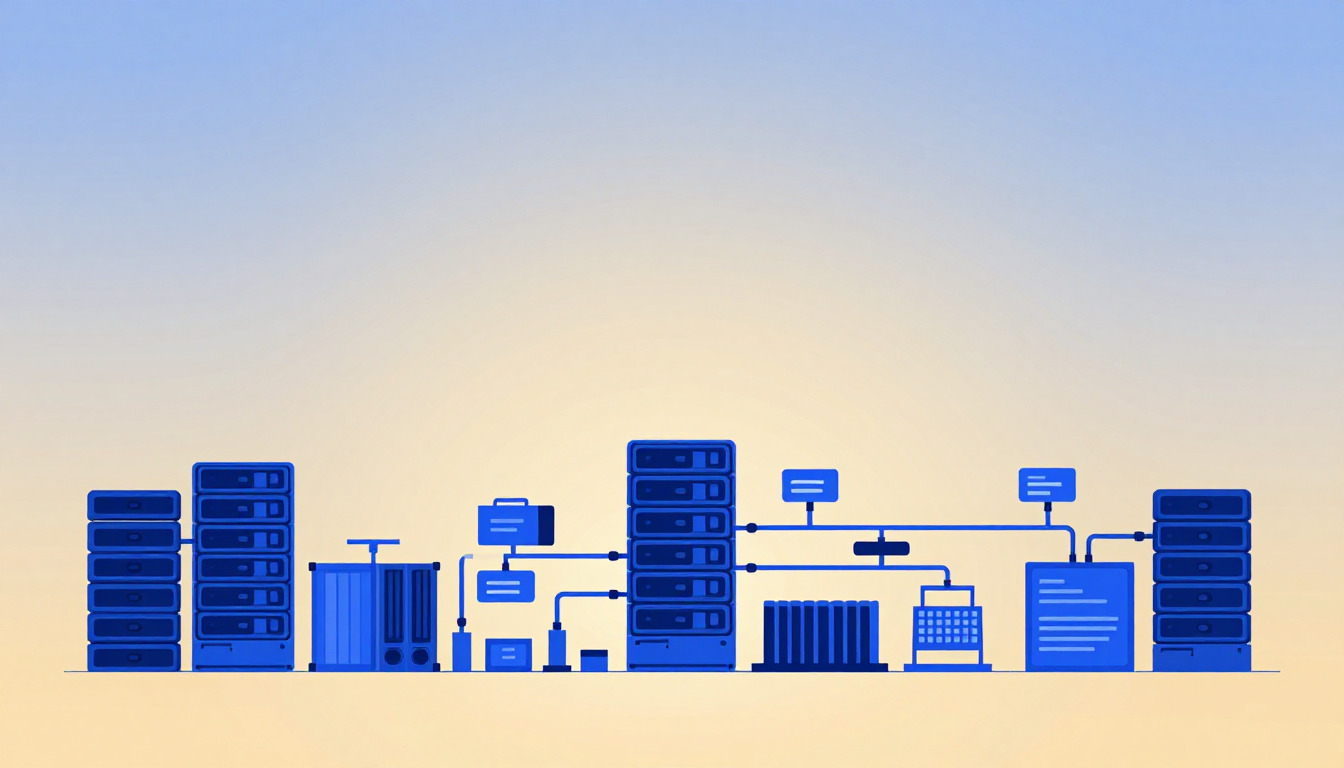
You see this in how massive entities are positioning themselves. Even the global landscape is adapting to this compute-hungry reality. India’s tech services giant HCL is building AI datacenters. It’s a move that signals the industry understands that AI isn’t just software—it’s an industrial challenge. HCL’s entry into datacenter infrastructure highlights that the real opportunity sits in the physical layer, precisely where the most significant bottlenecks exist for the next leap in AI capacity. The developers are building tools in an ecosystem that is rapidly becoming more reliant on this underlying infrastructure, and investors are finally acting accordingly. It’s not just about what you can write in code; it’s about having the hardware to run it at scale. If you are tracking the next wave of unicorns, you need to be looking at the hardware backbone that makes it all possible.
The Physical Infrastructure Pivot
Take Prometheus, for example. They just raised $12 billion in a Series B at a $41 billion valuation. Co-founded by Jeff Bezos and Vik Bajaj, they aren't just training a model to write code. They are building an “artificial general engineer” for the physical world, designed to automate heavy engineering workflows and molecular designs.
Bezos often talks about “labor scarcity” as the inevitable byproduct of this kind of automation. It’s a compelling, if slightly disconcerting, thesis. If Prometheus succeeds, it's not just about doing tasks faster—it's about fundamentally changing how we approach the design of biochemicals, materials, and complex physical systems. This isn’t a chatbot. It’s the industrialization of the brainstorming process for a new generation of physical, real-world tools. We are talking about automating the automation, and that requires billions in capital, not just a couple of servers in a closet. The shift from software wrappers to physical engineering is the defining narrative of 2026.
Deep Tech and Space: Where the Real Billions Go
Then there’s the race for the skies. Hermeus just proved that you can achieve supersonic flight with uncrewed, privately-developed jets. With $1 billion valuations and backers like Sam Altman and Peter Thiel, the business case here isn't just about faster travel to Europe. It’s about building a defense-focused aviation capability.
The ultimate target is hypersonic speed—Mach 5 plus. But for right now, the milestones are Mach 2 by the end of 2026 and Mach 3 by early 2027. It's a brutal, high-stakes game where aerospace startups are doing what used to be the exclusive domain of military-industrial giants. These unicorns aren't just selling software; they are selling physics. And in 2026, venture capital is more than happy to pay the premium for that capability.
Finally, let’s talk about space. Blue Origin is reportedly raising $10 billion to keep up with the demands of its massive infrastructure goals, aiming for a $130 billion valuation. Whether it’s lunar systems, data center constellations in orbit—like the work done by EQT-backed Starcloud ($190M) or Cowboy Space—we are seeing a shift to orbital infrastructure that mirrors the terrestrial push for capacity.
The physics bottlenecks for space-based compute are massive—cooling, power generation, and just moving data without massive latency. Yet, the investment continues. Frore Systems is building cooling solutions, Valar Atomics is working on atomic energy, and MiRus is pushing the biotech space with $1.5B in funding. These are the unsung heroes of the 2026 unicorn class. They provide the power, the cooling, and the specialized hardware needed to support the compute-hungry, physical-infrastructure-driven AI that the rest of the market is just starting to wake up to. This is where the long-term value is being built, and it looks nothing like the SaaS-heavy world of five years ago.
The India Effect and Global Compute Demand
India’s role in this equation can’t be overstated. The country isn’t just outsourcing IT anymore; it’s building the foundational compute infrastructure required to run the next generation of AI models. HCL’s pivot into AI datacenters is a microcosm of a much larger trend: India investments are flowing directly into the physical layer of AI.
When you combine this with the surge in AI developer tools startups, you get a feedback loop. Developers build faster tools, which require more compute, which drives demand for more datacenters, which attracts more capital. It’s a self-reinforcing cycle that’s reshaping the global tech economy. The 40+ unicorns tracked by TechCrunch aren’t just random winners; they’re the vanguard of a much larger infrastructure build-out.
Looking ahead, the gap between software and hardware will only widen. The companies that survive will be the ones that master both. If you’re tracking the market, stop looking at the wrappers. Look at the cooling systems, the orbital platforms, the molecular designers, and the datacenter builders. That’s where the real money is moving, and it’s only going to accelerate. For more on how these trends are shaping the broader market, check out the full report from TechCrunch on 2026's new unicorns.