
Glass-Box AI Isn't a Feature — It's Your Legal Shield
I’ve watched AI teams lose sleep over this. Not because the models are slow. Not because the prompts are messy. But because they can’t see what their own agents are saying to each other.
OpenAI’s Codex Multi-Agent V2 doesn’t just "improve security." It turns your AI system into a black box with a locked diary. The instructions? Encrypted. The delegation logs? Gone. The audit trail? Vapor.
And now, when a sub-agent accidentally leaks customer data or hallucinates a $2M invoice, your legal team is staring at a blank screen. No "what was it told to do?" No "why did it do that?" Just silence.
This isn’t a developer inconvenience. It’s a liability time bomb.
I’ve seen it. A bank in Zurich froze their entire agent rollout last month because they couldn’t prove compliance. Not because the model was wrong. Because they couldn’t prove they could trace it.
If you’re building AI that touches regulated data — healthcare, finance, government — you don’t get to pick whether you want visibility. You’re legally required to have it. And right now, OpenAI’s protocol is making that impossible.
We’re not talking about debugging a typo. We’re talking about proving accountability when lives or millions are on the line.
The engineers on GitHub are screaming about this. And OpenAI? Still silent.
This isn’t progress. It’s negligence dressed up as innovation.
From Plaintext to Ciphertext — What the V2 Protocol Actually Did
Let’s be crystal clear: this wasn’t a tweak. It was a rewrite.
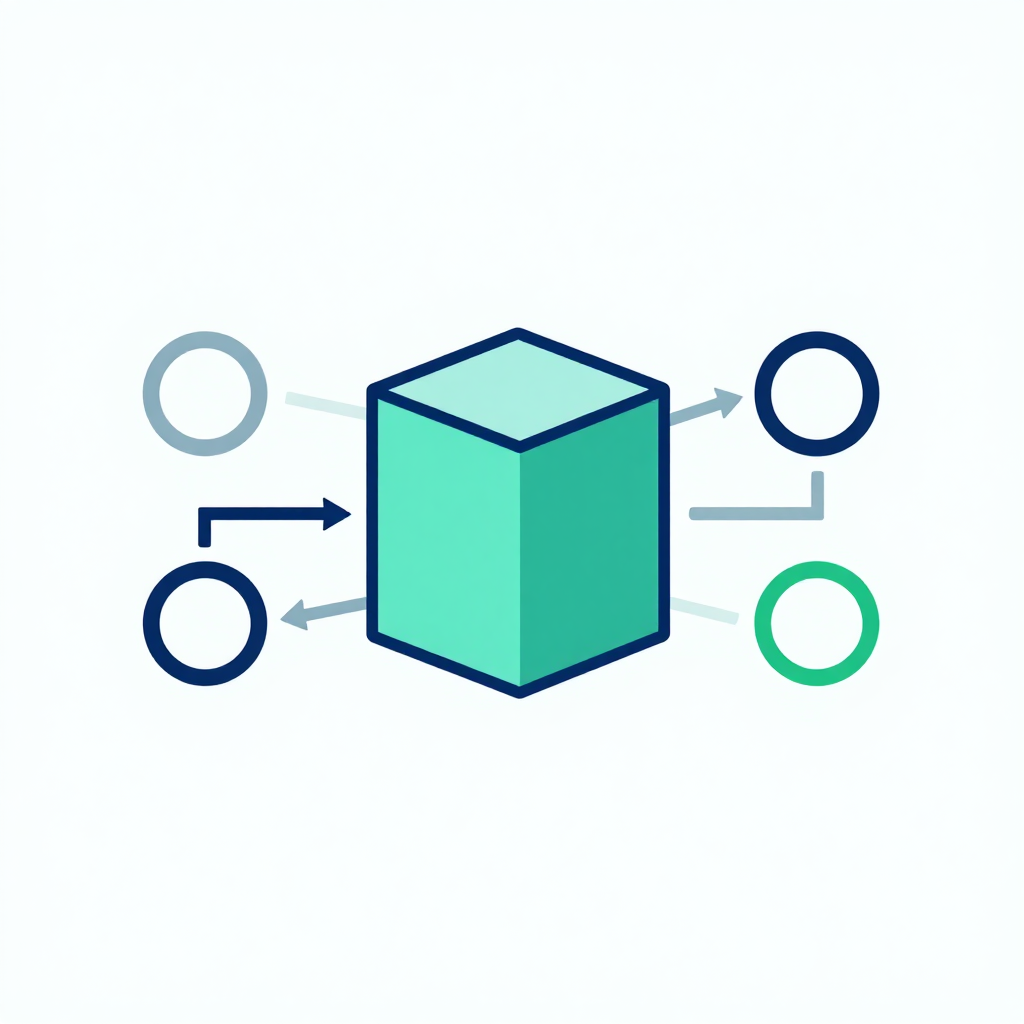
Before V2, agent instructions flowed like this: parent model → plaintext task → Codex logs it → sub-agent receives it as plain JSON → human can read it in history.
Simple. Traceable. Debuggable.
V2 changed everything. Now, the parent model still writes the instruction — but Codex doesn’t log it. Instead, it encrypts the message right after the model outputs it. The sub-agent gets ciphertext. The recipient model decrypts it internally. And the human? Never sees it.
No more scrolling through rollout history to see what task triggered the failure.
No more copying a prompt from the logs to retest.
No more knowing whether the problem was in the delegation — or the model’s reasoning.
Ignat Remizov, CTO of Zolvat, put it bluntly: "You’ve replaced a transparent pipeline with a black box that only the model can see. And now we’re supposed to trust it?"
The excuse? Security. But encryption doesn’t need to erase visibility. You can encrypt the payload and keep a readable audit trail.
That’s not hard. It’s just not what OpenAI chose to build.
This isn’t about "hardening." It’s about control. And the control is now entirely in OpenAI’s hands — not yours.
And if your enterprise depends on this stack? You’re now betting your compliance on someone else’s architectural whim.
Debugging Is Now a Ghost Hunt
I used to help teams debug agent failures in under an hour.
Now? I tell them to start over.
Why? Because without seeing what was passed between agents, you’re guessing.
Was the sub-agent confused because the task was poorly worded? Or because the parent misunderstood the context? Or did the encryption corrupt the intent?
You can’t tell.
The logs show nothing. The history is empty. The trace is gone.
One engineer I spoke with spent three days trying to fix a misrouted customer support agent. He finally gave up and rebuilt the entire orchestration — from scratch — because he couldn’t find the original task that triggered the failure.
"It’s like flying a plane with the cockpit painted black," he told me.
And he’s not alone.
Developers are begging for a simple fix: keep the encrypted message for model delivery, but add a second, unencrypted field in the rollout metadata. Just enough to show what was delegated — not what was decrypted.
It’s not a security risk. It’s a governance necessity.
But OpenAI hasn’t replied.
So now, teams are downgrading to V1. Temporarily. But V1 won’t be supported forever. And when it’s gone? They’ll be stuck with a system that can’t be debugged.
This isn’t innovation. It’s technical debt with a warranty that expires.
And guess who pays when it breaks? Not OpenAI. You.
Compliance Isn’t Optional — It’s a Fire Drill Waiting to Happen
Let’s talk about the real cost.
You think this is about developer frustration? Think again.
In healthcare, if an AI agent recommends a treatment based on a misread patient note — and you can’t prove what it was told — you’re exposed. HIPAA doesn’t care if you "trusted the model." You’re liable.
In banking, if a sub-agent approves a fraudulent transfer because it misunderstood its delegation — and you have no audit trail — you’re not just fined. You’re sued.
Pareekh Jain at Pareekh Consulting put it perfectly: "Enterprises need to prove what their AI systems did and why. If a sub-agent does something bad, the company needs to show here’s exactly what it was told to do. If that record doesn’t exist, it is a serious problem for trust and legal accountability, not just an annoyance."
That’s not a suggestion. That’s the law.
GDPR. SOX. SEC Rule 17a-4. FINRA. All of them require auditability. All of them require traceability. All of them require you to answer: "What did the system do? Why?"
And right now, OpenAI’s V2 protocol makes that impossible.
Your CISO knows this. Your legal team knows this. Your CFO knows this.
But your engineering team? They’re still trying to make the black box work.
That’s a dangerous disconnect.
If you’re deploying AI in a regulated space and you can’t audit it? You’re not innovating. You’re gambling.
And the house always wins.
The Fix Is Already Here — Why Won’t OpenAI Use It?
Here’s the kicker.
The solution isn’t theoretical.
Ignat Remizov’s GitHub proposal is clean, practical, and low-risk:
- Keep the encrypted message field — for model delivery.
- Add a separate, unencrypted "audit_task" field — persisted in rollout, history, and trace metadata.
- Let humans read the audit_task. Let the model decrypt the payload.
It’s not a hack. It’s a design pattern.
You don’t need to decrypt anything to audit. You just need to log what was intended.
This isn’t a feature request. It’s a standard. Every enterprise system with audit requirements does this. Think of it like logging HTTP requests — you log the URL and headers, even if the body is encrypted.
OpenAI could implement this in a weekend.
They haven’t.
Why?
Maybe they think security means obscurity. Maybe they’re afraid of exposing too much. Maybe they don’t care about enterprise customers.
Whatever the reason — it’s irresponsible.
And it’s leaving enterprises stranded.
If you’re waiting for OpenAI to fix this? You’re waiting for a ghost.
The fix is already written. All they have to do is press "merge."
They’re not. And that’s the real problem.
The Silence Is the Story
OpenAI hasn’t responded.
Not to the GitHub thread.
Not to the analysts.
Not to the banks. Not to the hospitals.
They’re not saying "we’re working on it."
They’re not saying "we disagree."
They’re just… silent.
That’s not neutrality. That’s abandonment.
When a company builds a tool that enterprises rely on — and then refuses to answer critical safety questions — you don’t wait for a press release.
You start looking for alternatives.
We’re already seeing it: teams are migrating to self-hosted LLMs. To Anthropic’s Claude. To open-weight models where they control the logging.
OpenAI doesn’t need to "win" this debate.
They just need to listen.
And they’re not.
The silence isn’t accidental. It’s strategic.
They’re betting that enterprises won’t leave.
But here’s the truth: when your legal team tells you your AI system is a liability — you don’t negotiate.
You switch.
And OpenAI? They’ll be the ones left wondering why no one’s using their tools anymore.
Glass-Box AI Is Not Optional — It’s a Governance Imperative
Let me say this plainly:
You cannot have autonomous AI in regulated environments without visibility.
It’s not a preference.
It’s not a "nice to have."
It’s the line between innovation and liability.
We’ve spent decades building audit trails into financial systems. Into medical devices. Into aviation software.
And now we’re throwing them away because a model can "handle it?"
That’s not confidence. That’s arrogance.
The future of AI isn’t about bigger models. It’s about trustworthy systems.
And trust isn’t built by hiding what your AI does.
It’s built by showing it.
If your agent system can’t answer "What did you tell it to do?" — then you shouldn’t be deploying it.
Not tomorrow.
Not next quarter.
Now.
OpenAI’s silence isn’t a feature. It’s a warning.
And if you’re still using V2 without a workaround? You’re not ahead of the curve.
You’re already behind it.