The Mind Trapped in Silence
You’ve seen the face. Still. Blank. Eyes open, but empty. The doctors say "unresponsive." The family says "no hope." But what if the mind is screaming inside a body that won’t obey?
Up to 40% of patients diagnosed with minimally conscious state are wrong. Not because the doctors are careless. Because the test is broken.
Standard bedside exams demand movement. A squeeze. A blink. A track of the eye. If the brain says "yes," but the motor cortex is severed from the limbs? The answer vanishes into silence. And that silence? It’s not absence. It’s erasure.
I’ve sat with families who’ve waited years for a sign. One mother told me her son, paralyzed after a car crash, once smiled when she sang his childhood lullaby. The nurse said it was reflex. The neurologist said it meant nothing. He was misdiagnosed as unaware for 14 months. He wasn’t unaware. He was locked in.
The delay? On average, 78 days. For some, it’s four years. Four years of being heard but never answered. Of being fed, washed, moved — but never asked if the room was too cold, if the music was too loud, if they were scared.
This isn’t just a diagnostic gap. It’s a moral one.
How a Headset Became a Voice
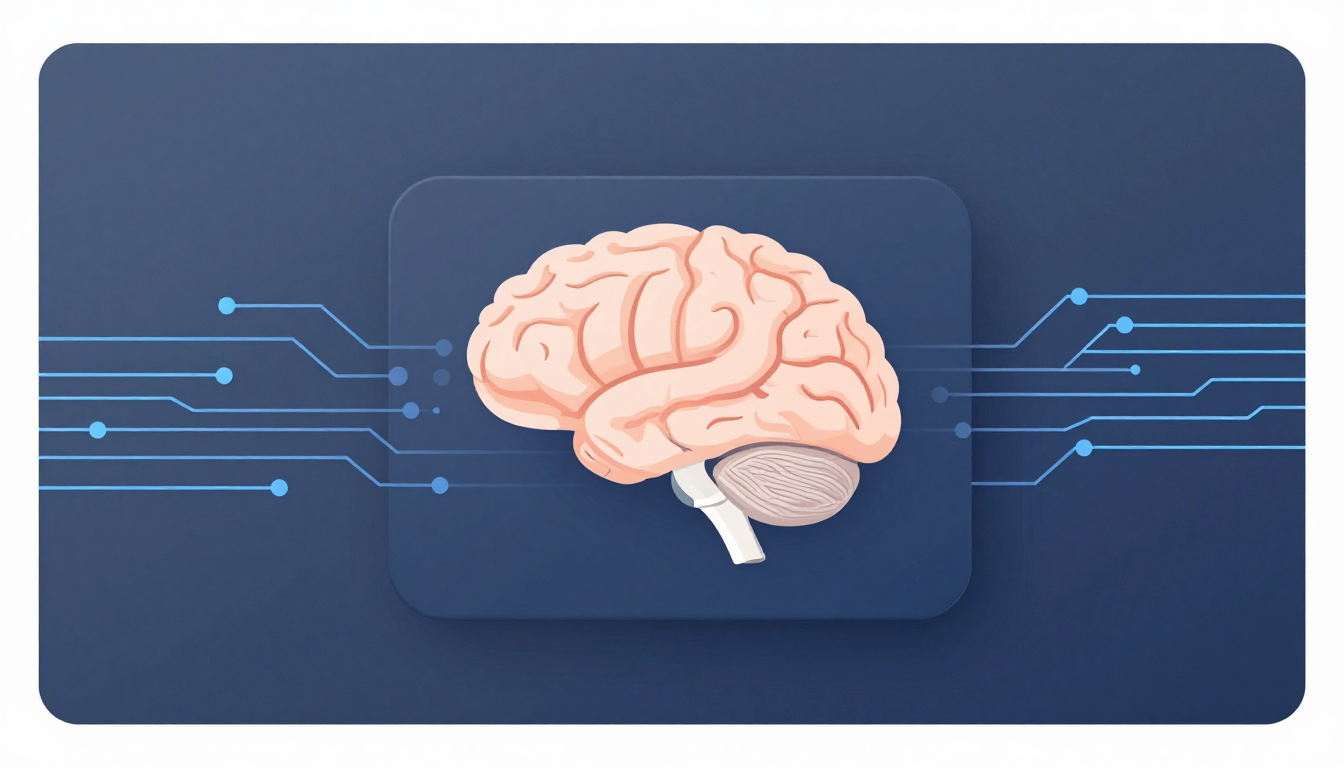
The breakthrough isn’t in some lab with a $2 million fMRI machine. It’s in a lightweight EEG headset — the kind you’d wear to play a VR game. It doesn’t need wires. Doesn’t need a hospital bed. Just a patient, a quiet room, and a little patience.
Here’s how it works: the patient imagines moving. Not trying. Not willing. Just thinking about lifting their left hand. Or both feet. Nothing happens. No twitch. No sigh. But inside their brain? A pattern lights up. A rhythm. A signature. Like a fingerprint of intent.
The headset picks it up. And then — here’s the magic — it plays a sound. A chime. A tone. A soft, warm click. Just for a split second. "You did it. That’s the one."
It’s not feedback for the machine. It’s feedback for the person.
Think of it like learning to ride a bike. You wobble. You fall. But every time you stay upright, someone says, "Yes! That’s it!" You adjust. You try again. You get better. That’s what this does. For a brain that’s been told it’s broken.
The first time a patient hears that sound after imagining a movement? They cry. Not because they’re sad. Because they’re seen.
The Long Game: Training, Not Testing
Here’s the thing nobody told you: single-session brain scans? Useless.
We used to think you could snap your fingers, ask a paralyzed patient to imagine a hand movement, and boom — you’d know if they were conscious. But the brain doesn’t work like that. After trauma, neural pathways don’t just turn on. They need to be retrained. Like a muscle after years of disuse.
This study didn’t test patients. It trained them. Over seven to thirteen sessions. Each one a lesson. Each one a chance to learn how to speak without a voice.
Phase one? Just detection. Can you generate a signal?
Phase two? Feedback. Can you reproduce it? Can you learn to make that signal clearer?
Phase three? Communication. Can you use it to answer yes or no?
Seventy-three point eight percent of participants achieved reliable modulation. That’s not luck. That’s learning. And 90% of those? They moved on to yes/no questions.
This isn’t a diagnostic tool. It’s a curriculum.
I asked Dr. Naomi du Bois — the lead researcher — what surprised her most. She didn’t say the numbers. She said, "The way they looked at us after the first chime. Like we’d finally handed them a key."
The Numbers That Changed Everything
Let’s talk cold facts. Because when you’re talking about consciousness, numbers aren’t cold — they’re screams.
Before this system? 39% of minimally conscious patients were correctly identified.
After? 69%.
That’s not a 30% increase. That’s 30% more people who are no longer treated like vegetables. 30% more families who stop begging for answers. 30% more patients who might finally get to say, "I’m in pain," or "I want to go home."
The balanced diagnostic accuracy jumped from 55% to 62%. Sounds small? Try telling a family that 62% is the difference between holding a funeral and holding a hand.
And here’s the twist: locked-in syndrome patients outperformed everyone else. Their brains, intact but trapped, were the most precise. Meanwhile, unresponsive wakefulness patients? They did better on yes/no questions than the minimally conscious. Why? Because the questions used familiar voices — their mother’s tone, their child’s name. Their brains remembered. Their minds still loved.
The system didn’t just detect awareness. It proved it was still there. Waiting.
From the Lab to the Living Room
This isn’t science fiction. It’s science in the real world.
The team didn’t test this in a sterile university lab. They brought it to NHS hospitals. To Irish care homes. To bedrooms where patients had lain for years. They used the same headset. Same software. Same chime.
No giant machines. No sterile rooms. No 45-minute setup. Just a nurse, a family member, and a quiet moment.
The goal? Not just diagnosis. Communication.
Imagine asking a patient: "Is your pain worse today?" They imagine lifting their left hand for "yes," both feet for "no." You hear the chime. You see the pattern. You adjust their meds. You turn off the lights. You hold their hand and say, "I heard you."
That’s not a future. That’s a now.
Dr. Damien Coyle said it best: "This creates a pathway toward improved diagnosis — and may ultimately support patients to interact and communicate basic responses in some cases."
Basic. Not complex. Not fluent. But enough. Enough to say "I’m not alone."
The Quiet Controversy
You’d think this would be a no-brainer.
It’s not.
The Royal College of Physicians still says: stick to behavioral tests. CRS-R. WHIM. That’s it. Neuroimaging? Too unreliable. Too expensive. Too experimental.
But the American and European Academies of Neurology? They’re nodding. They say: yes, this adds value. It’s not a replacement. It’s a supplement.
And they’re right.
This isn’t about replacing the doctor’s eyes. It’s about giving the doctor’s ears a new sense.
The limitation? Yes, there’s one. For locked-in patients, sensitivity dropped from 78% to 67% when combined with behavioral data. Why? Because some of their "yes" answers were misread as reflexes. The system got confused by its own success.
But here’s the truth: even at 67%, it’s better than 0%. And it’s getting better.
We’ve had decades of silence. We can’t afford to wait for perfect.
We need good. Now.
The Quiet Revolution
I used to think consciousness was a light. On. Off.
Now I know it’s a whisper. Flickering. Buried under trauma, under sedatives, under years of wrong assumptions.
This headset doesn’t cure brain injury.
But it gives the mind a way to say: "I’m still here."
And that? That changes everything.
For the first time in years, families aren’t just grieving a body.
They’re talking to a person.
And that person? They’re finally being heard.
The Mind Trapped in Silence
You’ve seen the face. Still. Blank. Eyes open, but empty. The doctors say "unresponsive." The family says "no hope." But what if the mind is screaming inside a body that won’t obey?
Up to 40% of patients diagnosed with minimally conscious state are wrong. Not because the doctors are careless. Because the test is broken.
Standard bedside exams demand movement. A squeeze. A blink. A track of the eye. If the brain says "yes," but the motor cortex is severed from the limbs? The answer vanishes into silence. And that silence? It’s not absence. It’s erasure.
I’ve sat with families who’ve waited years for a sign. One mother told me her son, paralyzed after a car crash, once smiled when she sang his childhood lullaby. The nurse said it was reflex. The neurologist said it meant nothing. He was misdiagnosed as unaware for 14 months. He wasn’t unaware. He was locked in.
The delay? On average, 78 days. For some, it’s four years. Four years of being heard but never answered. Of being fed, washed, moved — but never asked if the room was too cold, if the music was too loud, if they were scared.
This isn’t just a diagnostic gap. It’s a moral one.
How a Headset Became a Voice
The breakthrough isn’t in some lab with a $2 million fMRI machine. It’s in a lightweight EEG headset — the kind you’d wear to play a VR game. It doesn’t need wires. Doesn’t need a hospital bed. Just a patient, a quiet room, and a little patience.
Here’s how it works: the patient imagines moving. Not trying. Not willing. Just thinking about lifting their left hand. Or both feet. Nothing happens. No twitch. No sigh. But inside their brain? A pattern lights up. A rhythm. A signature. Like a fingerprint of intent.
The headset picks it up. And then — here’s the magic — it plays a sound. A chime. A tone. A soft, warm click. Just for a split second. "You did it. That’s the one."
It’s not feedback for the machine. It’s feedback for the person.
Think of it like learning to ride a bike. You wobble. You fall. But every time you stay upright, someone says, "Yes! That’s it!" You adjust. You try again. You get better. That’s what this does. For a brain that’s been told it’s broken.
The first time a patient hears that sound after imagining a movement? They cry. Not because they’re sad. Because they’re seen.
The Long Game: Training, Not Testing
Here’s the thing nobody told you: single-session brain scans? Useless.
We used to think you could snap your fingers, ask a paralyzed patient to imagine a hand movement, and boom — you’d know if they were conscious. But the brain doesn’t work like that. After trauma, neural pathways don’t just turn on. They need to be retrained. Like a muscle after years of disuse.
This study didn’t test patients. It trained them. Over seven to thirteen sessions. Each one a lesson. Each one a chance to learn how to speak without a voice.
Phase one? Just detection. Can you generate a signal?
Phase two? Feedback. Can you reproduce it? Can you learn to make that signal clearer?
Phase three? Communication. Can you use it to answer yes or no?
Seventy-three point eight percent of participants achieved reliable modulation. That’s not luck. That’s learning. And 90% of those? They moved on to yes/no questions.
This isn’t a diagnostic tool. It’s a curriculum.
I asked Dr. Naomi du Bois — the lead researcher — what surprised her most. She didn’t say the numbers. She said, "The way they looked at us after the first chime. Like we’d finally handed them a key."
The Numbers That Changed Everything
Let’s talk cold facts. Because when you’re talking about consciousness, numbers aren’t cold — they’re screams.
Before this system? 39% of minimally conscious patients were correctly identified.
After? 69%.
That’s not a 30% increase. That’s 30% more people who are no longer treated like vegetables. 30% more families who stop begging for answers. 30% more patients who might finally get to say, "I’m in pain," or "I want to go home."
The balanced diagnostic accuracy jumped from 55% to 62%. Sounds small? Try telling a family that 62% is the difference between holding a funeral and holding a hand.
And here’s the twist: locked-in syndrome patients outperformed everyone else. Their brains, intact but trapped, were the most precise. Meanwhile, unresponsive wakefulness patients? They did better on yes/no questions than the minimally conscious. Why? Because the questions used familiar voices — their mother’s tone, their child’s name. Their brains remembered. Their minds still loved.
The system didn’t just detect awareness. It proved it was still there. Waiting.
From the Lab to the Living Room
This isn’t science fiction. It’s science in the real world.
The team didn’t test this in a sterile university lab. They brought it to NHS hospitals. To Irish care homes. To bedrooms where patients had lain for years. They used the same headset. Same software. Same chime.
No giant machines. No sterile rooms. No 45-minute setup. Just a nurse, a family member, and a quiet moment.
The goal? Not just diagnosis. Communication.
Imagine asking a patient: "Is your pain worse today?" They imagine lifting their left hand for "yes," both feet for "no." You hear the chime. You see the pattern. You adjust their meds. You turn off the lights. You hold their hand and say, "I heard you."
That’s not a future. That’s a now.
Dr. Damien Coyle said it best: "This creates a pathway toward improved diagnosis — and may ultimately support patients to interact and communicate basic responses in some cases."
Basic. Not complex. Not fluent. But enough. Enough to say "I’m not alone."
The Quiet Controversy
You’d think this would be a no-brainer.
It’s not.
The Royal College of Physicians still says: stick to behavioral tests. CRS-R. WHIM. That’s it. Neuroimaging? Too unreliable. Too expensive. Too experimental.
But the American and European Academies of Neurology? They’re nodding. They say: yes, this adds value. It’s not a replacement. It’s a supplement.
And they’re right.
This isn’t about replacing the doctor’s eyes. It’s about giving the doctor’s ears a new sense.
The limitation? Yes, there’s one. For locked-in patients, sensitivity dropped from 78% to 67% when combined with behavioral data. Why? Because some of their "yes" answers were misread as reflexes. The system got confused by its own success.
But here’s the truth: even at 67%, it’s better than 0%. And it’s getting better.
We’ve had decades of silence. We can’t afford to wait for perfect.
We need good. Now.
The Quiet Revolution
I used to think consciousness was a light. On. Off.
Now I know it’s a whisper. Flickering. Buried under trauma, under sedatives, under years of wrong assumptions.
This headset doesn’t cure brain injury.
But it gives the mind a way to say: "I’m still here."
And that? That changes everything.
For the first time in years, families aren’t just grieving a body.
They’re talking to a person.
And that person? They’re finally being heard.