The Myth of the Multitasking Mind
You’ve been lied to.
Not by your boss. Not by your phone. Not even by the apps that ping you every time you dare to pause.
The lie is older.
It’s written in every textbook that says the human brain can’t do two things at once. That multitasking is a myth. That you’re either a "supertasker" or a broken, distracted mess.
Here’s the truth: you can multitask.
But not the way you think.
I spent seven years in Maximilian Riesenhuber’s lab watching people learn to sort cars. Not real ones—morphed digital images, subtle gradients of grille and headlight, impossible to tell apart at first. Volunteers did over 30,000 trials on a phone app. Five weeks. Ten. Some gave up. Others… changed.
They didn’t get faster.
They got different.
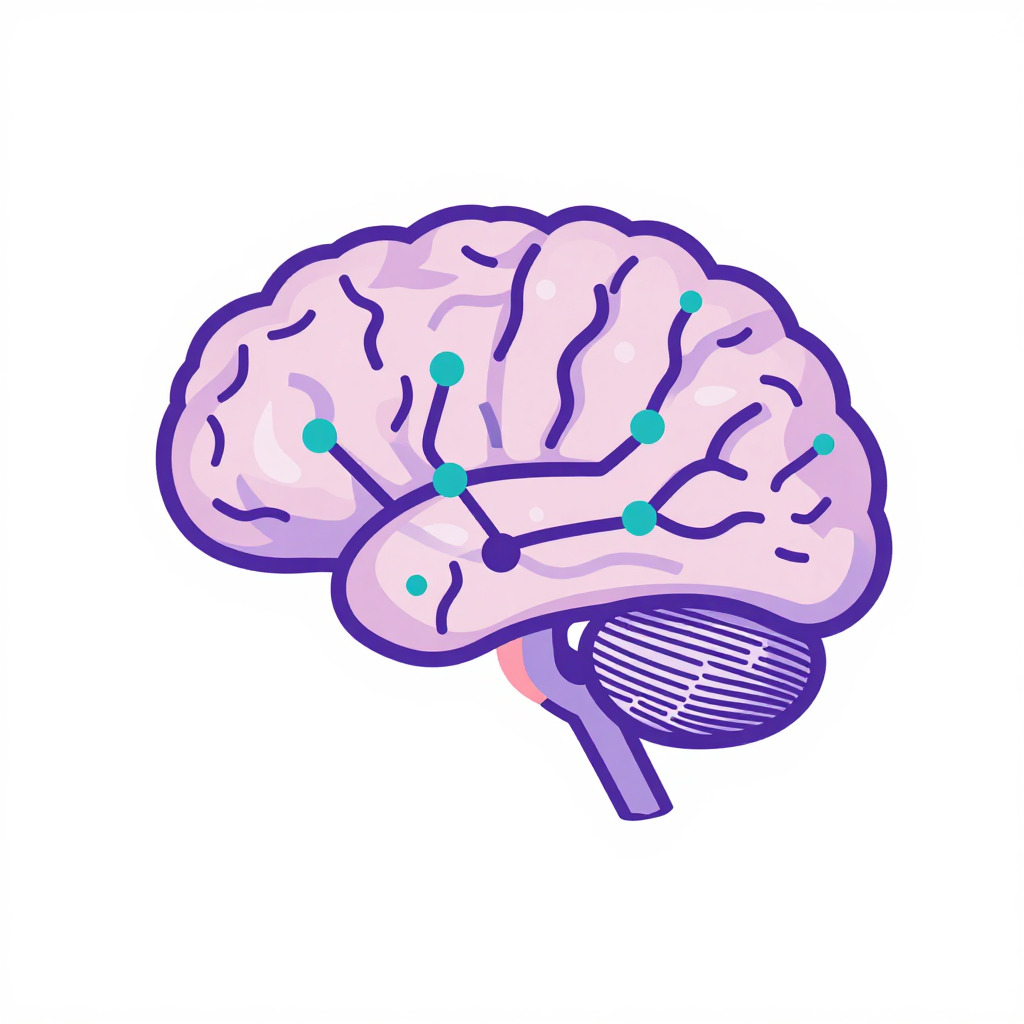
At first, their prefrontal cortex lit up like a Christmas tree—every decision a struggle, every classification a conscious act. But after weeks? The PFC went quiet. And a new spot, deep in the temporal lobe, flared to life. Not just active. Born. A category-selective circuit, forged by repetition, that bypassed the bottleneck entirely.
This isn’t switching.
It’s offloading.
And it’s happening to you right now.
The Hidden Architecture of Skill
Let me ask you something: when you drive to work, do you think about the clutch? The turn signal? The mirror checks?
No.
You don’t.
You’re thinking about your coffee. Or your kid’s recital. Or whether you remembered to pay that bill.
That’s not distraction.
That’s success.
The brain doesn’t multitask by dividing attention. It multitasks by relocating.
The prefrontal cortex—the CEO of your mind—isn’t designed for automation. It’s designed for novelty. For problem-solving. For the moment you see a red light and wonder: Is that a car or a truck? That’s PFC work.
But when you’ve seen 10,000 red lights? The brain doesn’t keep asking. It builds a new circuit. In the ventral occipito-temporal cortex. A region that once only recognized faces and animals. Now, it recognizes cars. And it doesn’t ask the PFC. It just… sends the signal.
To the motor cortex. To the foot. To the brake.
It’s like outsourcing a department.
And the best part?
The PFC is now free.
Free to handle the next thing.
That’s why you can drive and talk and listen to music. Not because you’re good at juggling. Because the driving part? It’s running on autopilot. In a different part of the brain.
The Real Cost of Task-Switching
I used to think I was efficient.
I’d have three tabs open. A Slack channel buzzing. My phone on silent, but vibrating every time someone said "urgent."
I’d tell myself: I’m multitasking.
I was wrong.
I was switching.
And every switch? It cost me.
The American Psychological Association says up to 40% of your productivity vanishes every time you jump from one complex task to another. That’s not a suggestion. That’s a measurable brain drain.
Why?
Because your PFC doesn’t just switch tasks.
It reboots them.
Every time you go from writing a report to answering an email, your brain has to:
- Shut down the report’s context
- Load the email’s context
- Rebuild the mental model
- Find the thread
- Start again
It’s like closing Word, opening Outlook, then trying to remember where you left off.
And you don’t even notice.
Because your brain is so good at faking continuity.
That’s why the myth persists.
We don’t feel the cost.
We just feel tired.
The Addiction Paradox
I used to think addiction was a moral failure.
I was wrong.
I’ve sat across from patients who said: "I know I shouldn’t do it. I just can’t stop."
I used to say: "Then try harder."
Now I say: "Where does it live?"
Because here’s what the study shows: learned behaviors don’t just become automatic.
They become unreachable.
The neural circuit that once required conscious effort—the craving, the reach, the ritual—doesn’t stay in the PFC.
It migrates.
To the temporal lobe.
To the part of your brain that doesn’t think.
It just does.
That’s why telling someone to "think of something else" doesn’t work.
The behavior isn’t in their thoughts.
It’s in their fingers.
In their gaze.
In the silent, automated circuit that doesn’t ask for permission.
This isn’t weakness.
It’s neurology.
And it’s why addiction treatment has to stop talking about willpower.
It needs to talk about rewiring.
Why AI Will Never Learn Like We Do
I’ve talked to AI engineers who swear their models are "learning."
They’re not.
They’re memorizing.
Every time an AI learns a new task, it overwrites the old one. It doesn’t offload. It doesn’t free up space.
It just… forgets.
Catastrophic forgetting.
That’s the term.
And it’s not a bug.
It’s a design flaw.
Because our brains? We don’t forget.
We archive.
We take the skill we mastered—driving, reading, playing piano—and we tuck it away in a quiet corner of the temporal lobe.
And then we use it.
As a building block.
That’s why a radiologist can spot a tumor in a scan while simultaneously thinking about their kid’s science fair.
The tumor recognition? Offloaded.
The thinking? Free.
The AI? It’s still stuck in the same bottleneck.
It can’t build on what it knows.
It can only replace it.
We’re not smarter.
We’re just better at letting go.
The Quiet Revolution in Your Head
You don’t need to be a "supertasker."
You don’t need to be a genius.
You just need to practice.
Not at juggling.
At releasing.
Let the thing you’ve mastered—typing, walking, cooking, even breathing—go quiet.
Let it run on its own.
And then… breathe.
Let your PFC do what it was built for.
Not to manage everything.
But to choose what matters.
The next time you feel overwhelmed?
Don’t try to do more.
Ask: What can I stop thinking about?
Because the brain’s greatest trick isn’t multitasking.
It’s knowing when to stop.
And when to let go.
The Neuroscience of Offloading
The Georgetown study didn’t just show that multitasking is possible.
It showed how.
They didn’t just scan brains.
They watched them change.
Over weeks. Over tens of thousands of trials.
And what they saw was revolutionary.
At the start, the prefrontal cortex was the star of the show.
Every decision—Is this a sedan or a coupe?—triggered a flood of activity in the PFC. The same region that lights up when you solve a math problem or decide whether to apologize after a fight.
But after 30,000 trials? Something shifted.
The PFC dimmed.
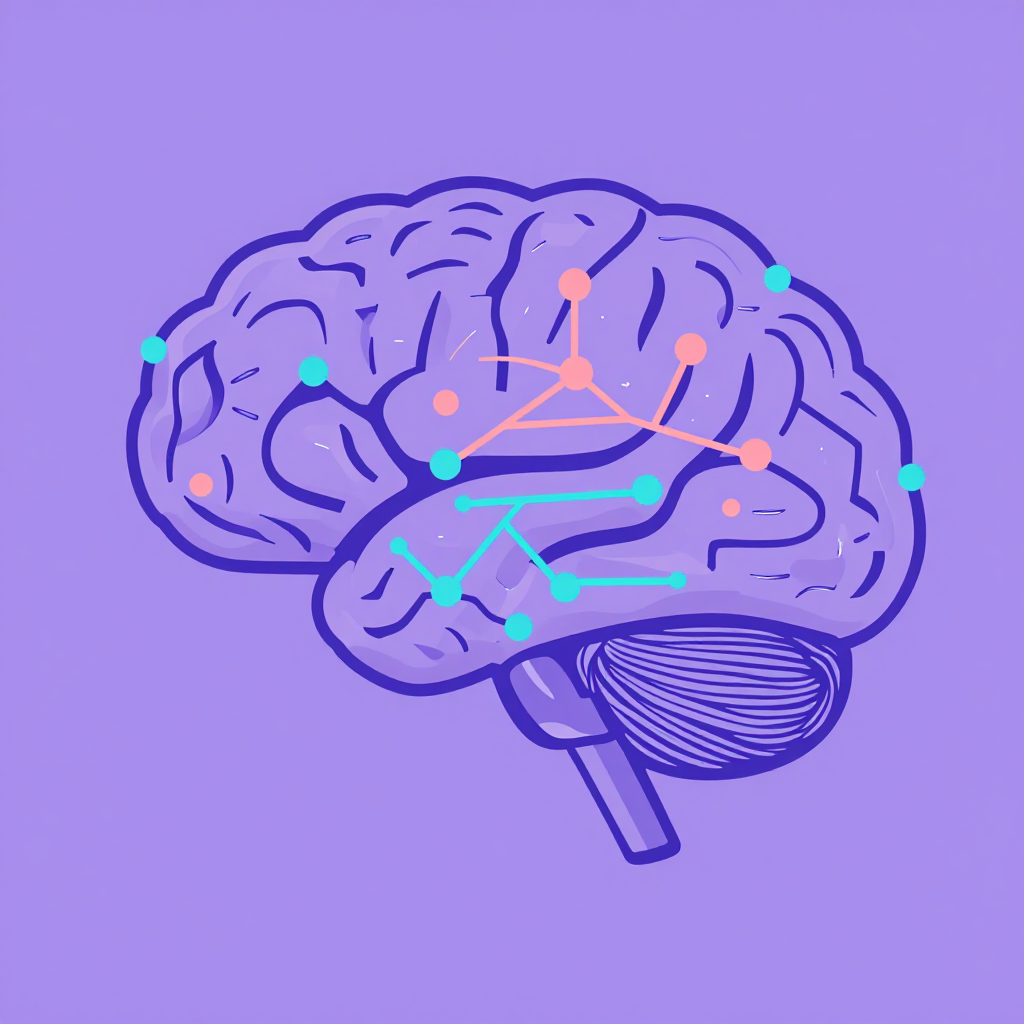
And in the ventral occipito-temporal cortex—a region previously known for recognizing faces and animals—a new pattern emerged.
Category-selective.
Car-specific.
And here’s the kicker: this new circuit didn’t just activate.
It connected.
Directly to the motor output areas.
No detour through the PFC.
No bottleneck.
Just a direct line: See car → Decide → Brake.
And the more this connection strengthened, the better people got at doing something else at the same time.
Not because they were better at switching.
Because the car task wasn’t in the way anymore.
It had moved.
This isn’t theory.
It’s measured.
The reduction in PFC-vOTC connectivity? Directly correlated with improved dual-task performance.
The brain didn’t get better at multitasking.
It got better at not multitasking.
The Real-World Architects of Autopilot
You think this is abstract?
Look around.
Radiologists.
They don’t analyze tumors.
They recognize them.
After years of scanning thousands of images, their brains build a neural library of malignancy.
A tumor isn’t a puzzle to solve.
It’s a pattern they’ve seen before.
And it’s handled—automatically—by the temporal lobe.
The PFC? It’s free to consider: Is this a biopsy candidate? What’s the patient’s history? What’s the next step?
Musicians.
A violinist doesn’t think about finger placement.
They feel the bow.
They hear the tone.
The notes? They’re already playing.
The PFC? It’s shaping expression.
Timing.
Emotion.
The driver.
The one who’s talking on the phone while navigating a curve?
They’re not multitasking.
They’re offloading.
The steering? The braking? The gear shifts?
All handled by circuits that don’t need attention.
The conversation? That’s the PFC.
And here’s the terrifying flip side.
The person who’s texting while driving?
They’re not offloading.
They’re switching.
Because texting isn’t automated.
It’s novel.
It’s demanding.
It’s still in the PFC.
And it’s competing with the same PFC that’s supposed to be handling the road.
That’s why texting while driving kills.
Not because you’re distracted.
Because you’re overloading.
The Cost of Forgetting How to Learn
We’ve built a world that rewards speed.
That punishes pause.
That glorifies "hustle."
And we’ve forgotten how the brain actually learns.
It doesn’t learn by doing ten things at once.
It learns by doing one thing—over and over—until it doesn’t need to think about it anymore.
That’s how a child learns to walk.
That’s how a surgeon learns to suture.
That’s how a writer learns to write.
But now?
We expect people to master skills in days.
To be "expert" after one course.
To multitask their way to competence.
We’ve replaced practice with performance.
And the cost?
We’ve lost the ability to truly learn.
Because we never let anything become automatic.
We never let the PFC rest.
And so we never free up space.
We never build the hidden architecture.
We just keep switching.
And getting slower.
And more tired.
The Future of Human Intelligence
The next great leap in AI won’t come from bigger models.
It’ll come from understanding this.
From building systems that can offload.
That can archive.
That can free up their own computational space.
Because right now?
AI is a child.
It doesn’t know how to grow.
It just keeps adding.
And eventually?
It breaks.
We don’t.
Because we know how to let go.
We know how to build circuits that don’t need us.
And then? We use the space.
To think.
To feel.
To create.
That’s not multitasking.
That’s mastery.
And it’s the one thing no algorithm can replicate.
Because it’s not about processing.
It’s about releasing.