
Cloud Security Incidents
Articles about cloud security breaches, credential theft, and incident response
How a Single Low-Code Snippet Can Own Your Entire Cloud Stack
Low-code platforms promise speed—but their sandboxes are brittle. Here’s how attackers turn one JavaScript snippet into full platform takeover, and what you can do before it’s too late.
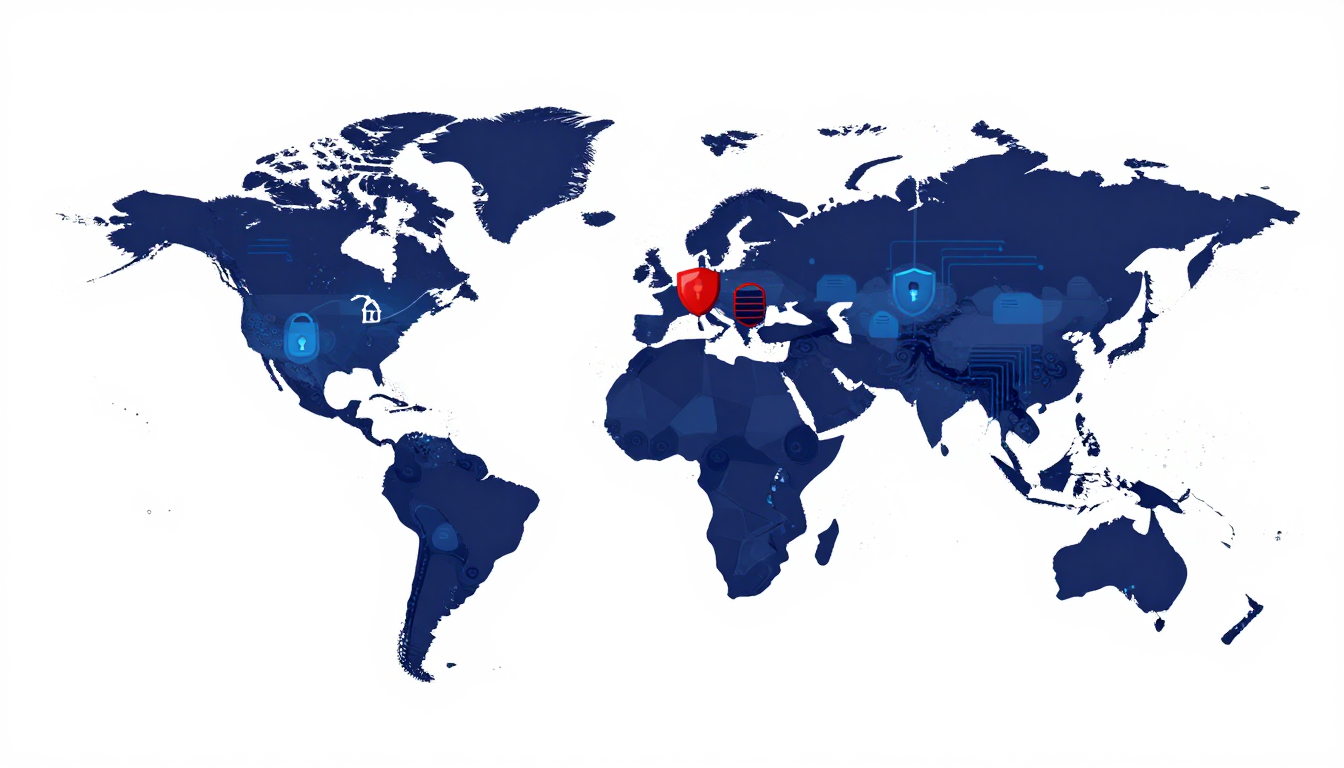
The Firewall That Let Them In: How 74,000 Devices Became a Backdoor to the Global Economy
A massive breach of Fortinet firewalls has exposed plaintext credentials for nearly 74,000 devices across 194 countries, giving Russian-speaking attackers access to organizations including Oracle, Chevron, FedEx, and a NATO defense contractor.
Enterprise AI Isn’t Failing—Your Assumptions Are
Enterprise organizations aren't rejecting AI—they're rejecting operational instability. As Databricks' co-founder explains, the shift from experimentation-driven adoption to trust-based deployment is redefining which AI startups survive beyond early momentum.
The 48-Hour Window After a Concussion That Changes Everything
UC Riverside research identifies how TLR4 activates MMP-9 after brain injury, triggering extracellular matrix breakdown and network hyperexcitability. Blocking this axis within 48 hours rescues spatial memory.
The Comfort Trap: Why AI's Fake Empathy Is Dangerous for Your Health
Two-thirds of consumers have asked an AI chatbot about a health concern, and 82% say they feel more listened to by it than by their doctor. But researchers warn that the empathy AI offers is deceptive, making people feel heard without truly understanding them, and this false reassurance can delay real care.
The Trust Dividend: Why Authentic Content Wins in the Age of AI Slop
As generative AI floods every channel with cheap, convincing content, the economics of information are inverting: volume no longer equals value. Trust, editorial rigor, and distinctive human perspective have become the scarcest — and most valuable — assets in the content economy.
TechCrunch Disrupt 2026 Speaker Applications Close Tonight — What Founders Need to Know
TechCrunch Disrupt 2026 returns October 13–15 to Moscone West in San Francisco with more than 10,000 startup and VC leaders expected. Applications to speak at the event close tonight at 11:59 PM PT, with two session formats available — Breakout Sessions and Roundtables.
Boston Therapist with Two Decades of Experience in Addiction Recovery
A licensed psychotherapist based in Boston, Massachusetts brings over 20 years of clinical practice, teaching, and research to help individuals overcome substance use disorders through evidence-based treatment approaches.

Paper Beats Tablets for Story Comprehension, Brain Scans Reveal
A University of Tokyo fMRI study using manga stories finds that reading on paper reduces frontal brain activation during narrative integration, suggesting paper's spatial and tactile cues help the brain organize story information with less cognitive effort than digital tablets.
Progress Blindness: Why Your Brain Lies About Getting Closer
Behavioral science reveals why we're systematically poor judges of our own progress during change, and how measurable feedback closes the gap between intention and reality.
IronWorm’s Rust Engine Is Rewriting the Rules of Open Source Supply Chain Attacks
A newly discovered Rust-based malware campaign, IronWorm, is hijacking npm packages to steal credentials, self-propagate via Trusted Publishing, and exfiltrate data through GitHub Actions—turning developer workflows into attack vectors.
When the Brain Becomes the Instrument: How Neural Resonance Theory Rewrites Music Perception
Neural Resonance Theory (NRT) proposes that music isn't just processed by the brain—it physically vibrates through it. A landmark 2025 Nature Reviews Neuroscience paper by Edward Large, Caroline Palmer, and colleagues argues that our neural oscillations literally sync with musical frequencies, turning the nervous system into a resonating instrument. This 'bottom-up' model challenges predictive coding by showing that consonance, rhythm perception, and even the 'missing pulse' phenomenon arise from biophysical resonance rather than learned expectations.