The Hidden macOS Blind Spot: XPC Trust Vulnerabilities Exposed
The macOS security model, often touted for its rigorous trust validation, faces a new, significant challenge. Researchers at XM Cyber have unveiled a privilege escalation technique that exploits the way the operating system manages Cross-Process Communication (XPC) services. This is not just a theoretical concern. It strikes at the heart of how macOS verifies the integrity of applications, allowing standard-privileged users to bypass restrictions, disable critical security tools, and perform actions that should be reserved for administrators.
Similar trust-bypass flaws have appeared before—for example, the Bluetooth RCE vulnerability that turned a speaker into a remote code execution vector, showing how even peripheral device trust chains can be subverted. Here, the same principle applies, but at a deeper OS layer.
Understanding the XPC Trust Mechanism
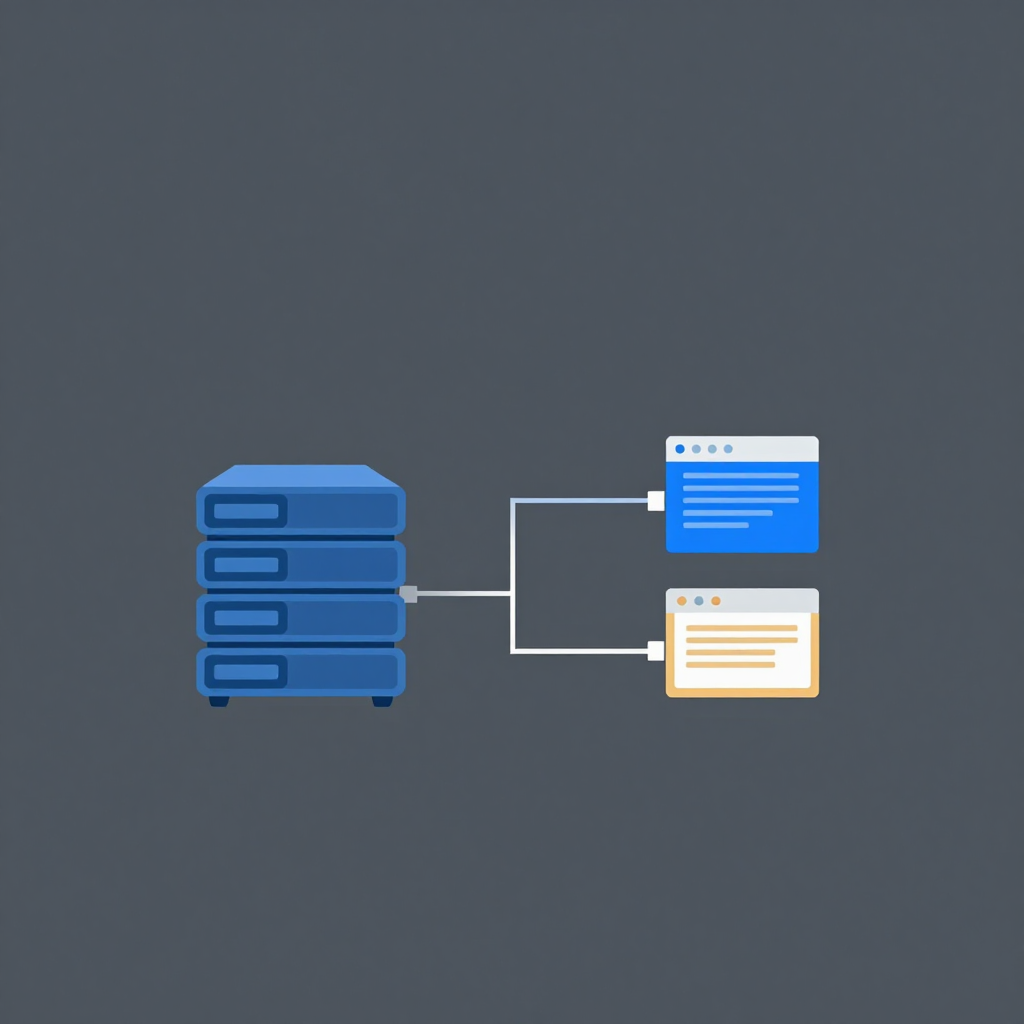
To grasp the severity of this issue, we must first look at XPC. It is the fundamental communication framework for macOS, enabling different processes to talk to each other. Because these processes often operate at varying privilege levels, macOS needs a robust way to ensure that a process can trust its counterpart.
At the core of this trust validation is the CDHash—a cryptographic identifier—and the application's signature. The system caches these identities to streamline performance and ensure that trusted applications remain trusted without constant re-verification. This efficiency is exactly where the vulnerability lies.
Dissecting the Exploit: A Flawed Foundational Assumption
The vulnerability, as described by XM Cyber researchers, hinges on the way macOS caches and subsequently reuses these identity identifiers. An attacker with standard user privileges can craft a scenario where a trusted, system-level application trusts a malicious NIB (Interface Builder) file, believing it to be a legitimate component of itself.
By injecting this malicious code into the NIB structures of these trusted applications, an attacker can trick the system into granting the malicious payload the authority of the trusted application. This effectively bypasses the expected integrity checks. The system, relying on the cached identity that it believes is still valid and untampered, permits the malicious process to initiate actions with elevated authority.
The Impact: Security Tools as Targets
The real-world implications of this vulnerability are stark. Cybersecurity tools, including Endpoint Detection and Response (EDR) agents like CrowdStrike Falcon and Mobile Device Management (MDM) services like Kandji, often rely on these trust mechanisms to ensure they cannot be tampered with by unauthorized actors.
When the security tool's integrity is compromised, the endpoint is left wide open. The attacker gains the capability to maintain persistence, execute unauthorized tasks, and exfiltrate data, all while the primary defense mechanisms are rendered inert by the system itself. Effective visibility requires more than just EDR agents; behavioral monitoring and anomaly detection that operate outside of agent control are essential.
Apple's Stance and the Vendor Burden
In response, Apple has taken a surprisingly hands-off position, indicating no planned changes to the fundamental way macOS handles these XPC trust validations. This shift effectively places the burden of mitigation and hardening directly on the shoulders of the application vendors.
Individual software providers—the developers of EDR and MDM solutions—are now tasked with designing more resilient XPC validation frameworks within their own applications. They cannot rely on the operating system alone to guarantee that their service connection is secure.
A New Era of Vulnerability Research: XPC Hunter
The identification of this flaw was not a simple stroke of luck. XM Cyber utilized 'XPC Hunter', an LLM-powered tool specifically designed to analyze macOS processes and identify potential vulnerabilities in XPC service implementations. This is a game-changer for vulnerability research, showcasing how artificial intelligence is accelerating the discovery of flaws that were previously buried beneath layers of complex, undocumented operating-system behavior. AI is breaking traditional cybersecurity, not just in detection, but in exploitation—making tools like XPC Hunter essential for defenders.
Looking Forward: Protecting the Enterprise
For organizations, this vulnerability is a reminder that the endpoint remains the most dangerous, yet critical, piece of the security puzzle. Relying completely on OS-level security features is insufficient. Security teams must prioritize:
- Proactive Monitoring: Implementing behavioral monitoring and anomalous activity detection that does not depend solely on EDR agents. If the agent itself is tampered with, you need visibility into the event.
- Principle of Least Privilege: Strictly enforcing the principle of least privilege, even if the OS doesn't mandate it for a specific action.
- Vendor Risk Management: Engaging with critical software vendors to understand their hardening efforts against XPC-related vulnerabilities.
The security of the macOS ecosystem is evolving, and this exploit is a prime example of the challenges ahead. As the underlying trust mechanisms become more complex, the methods for exploiting them are becoming more targeted and accessible. Organizations should prepare for a landscape where OS-level protections are better viewed as a starting point, not the final word in endpoint defense. Remember, in security, trust must be continuously verified, not just assumed.