The Evolution of Slackbot
For years, Slackbot sat quietly in the corner of your workspace. It was the digital equivalent of a post-it note stuck to your monitor—handfuls of reminders, occasional automated notifications, and a safe place to dump random notes to yourself. But as enterprise software races headfirst into the age of autonomous systems, Salesforce is completely rewriting that script.
In January 2026, Slack officially rolled out a massive transformation for its signature mascot, turning Slackbot into a fully fledged AI agent. Available now for Business+ and Enterprise+ customers, the revamped assistant represents a fundamental shift in how people interact with workplace software. Rather than acting as a static utility that waits for commands in a dedicated DM window, the new Slackbot functions as a proactive, conversational teammate capable of executing complex workflows across disparate applications.
Salesforce CTO Parker Harris didn't mince words about the ambitions behind the launch. In interviews surrounding the rollout, Harris made it clear that the company expects this native agentic experience to achieve the kind of viral, organic adoption within enterprises that consumer sensations like ChatGPT enjoyed on the open web. It is a calculated bet that workplace software can transcend rigid menus and form fields, replacing them with fluid, intent-driven collaboration.
What the New AI Agent Can Do
The transformation goes far beyond a fresh coat of paint or a smarter language model bolted onto an existing notification engine. The next-gen Slackbot is designed to operate as a centralized hub for daily productivity, pulling together data and actions from across an organization's entire digital stack.
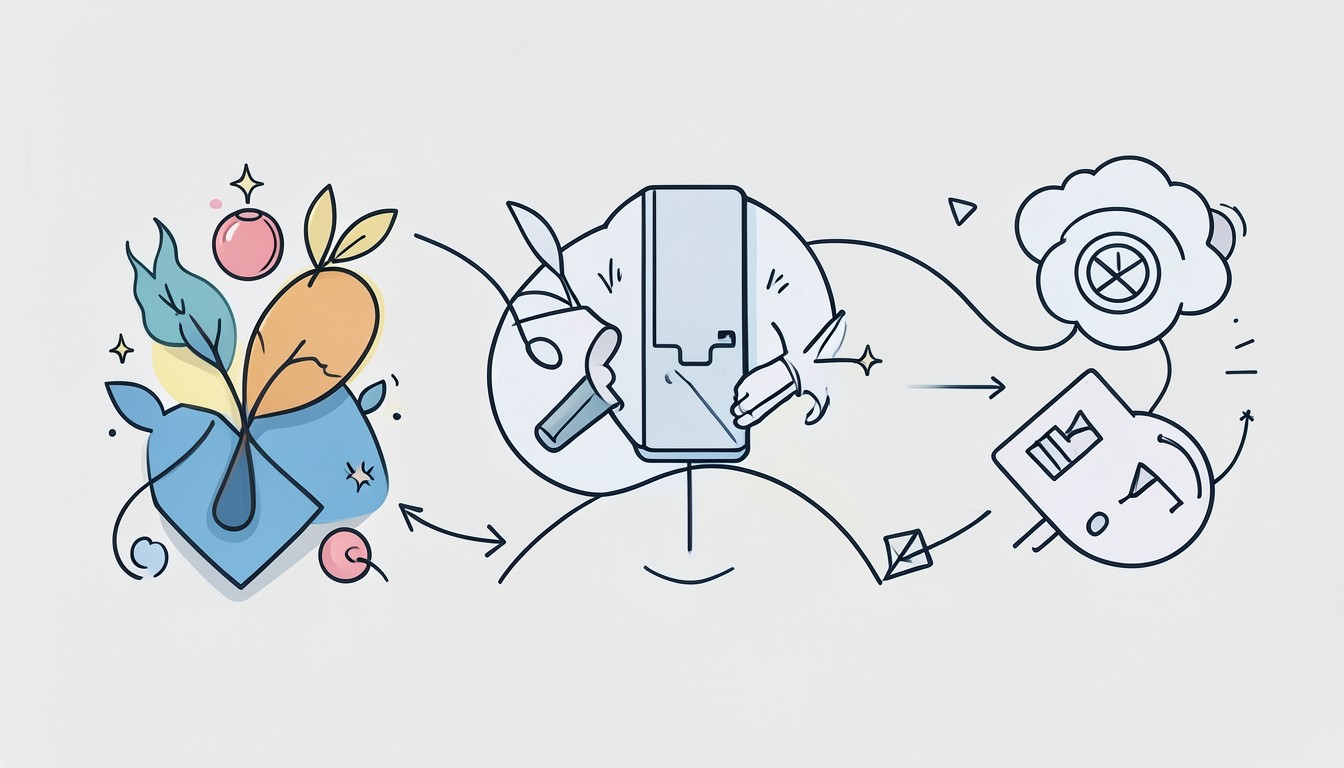
If you need to surface a buried conversation from last Tuesday, draft a client-facing email based on scattered notes, or wrangle calendars to schedule a multi-party meeting across different time zones, the agent handles it natively within the Slack interface. Crucially, its capabilities do not stop at Slack's proprietary borders. With proper enterprise permissions, Slackbot can connect directly with external tools like Google Drive and Microsoft Teams. This cross-platform bridge means employees can query documents, check file statuses, and coordinate across competing corporate ecosystems without constantly context-switching between browser tabs and desktop applications.
Salesforce built these capabilities on top of stringent guardrails, ensuring that data privacy and corporate compliance remain front and center. Because enterprise trust is non-negotiable when deploying generative AI tools across sensitive corporate networks, the agent respects existing access controls and permission boundaries down to the document level. Harris emphasized that the company kept the familiar "Slackbot" name precisely because users already recognized and trusted it, even though the underlying technology is entirely brand new.
Inside Salesforce's Viral Bet
Rolling out a fundamental redesign to millions of corporate users is notoriously fraught with risk. To mitigate that friction, Salesforce took a page out of the Silicon Valley playbook: employee testing at scale. Months before opening access to paying customers, the company ran extensive internal pilots, letting its own workforce stress-test the agent in daily operations.
Harris jokingly referred to this internal trial period as "drinking our own champagne." According to internal metrics shared during the launch, the gamble paid off spectacularly. The AI-powered Slackbot quickly became the most widely adopted internal tool the company has ever released. What matters most to Salesforce's leadership team is that this adoption was entirely organic. Employees chose to use the agent because it saved them time, not because upper management mandated it from on high.
That distinction is vital for the enterprise tool adoption market. Historically, enterprise tool adoption is driven by top-down software purchases where usage is enforced through policy. By building an experience that employees actually want to engage with, Salesforce hopes to spark a viral loop where teams pull the technology into their workflows naturally, spreading enthusiasm from department to department.
What Comes Next for Autonomous Work
The January release marks only the beginning of Slackbot's second act. Salesforce's product roadmap points toward an even more ambitious future for workplace agents as generative AI continues to mature across the enterprise ecosystem.
Future iterations of the assistant are slated to move beyond text-based chat interfaces. Leadership envisions introducing native voice capabilities, allowing users to speak directly with their agent during busy workdays or while moving between meetings. Furthermore, plans are in motion to give Slackbot the ability to browse the live internet alongside users, expanding its utility from an internal archivist to an outward-facing research partner.
As enterprise AI strategies like Salesforce's broader agentic portfolio continue to evolve, the boundary between human worker and software agent is blurring. Slackbot's evolution proves that even the oldest, most mundane features in enterprise software can be reborn as powerful autonomous teammates—provided the execution hits the sweet spot between utility, security, and effortless user experience.