
Neural Synchronization & Temporal Computation
Articles on how distributed brain regions coordinate timekeeping through sparse connectivity and shared noise, including fronto-parietal dynamics, internal clock synchronization, and computational models of temporal autonomy.
How Music Literally Becomes Part of You: Neural Resonance Theory Takes Shape
An international study confirms Neural Resonance Theory, showing that music perception arises from brain and body oscillations that sync with rhythm, melody, and harmony — with implications for therapy, AI, and cross‑cultural connection.
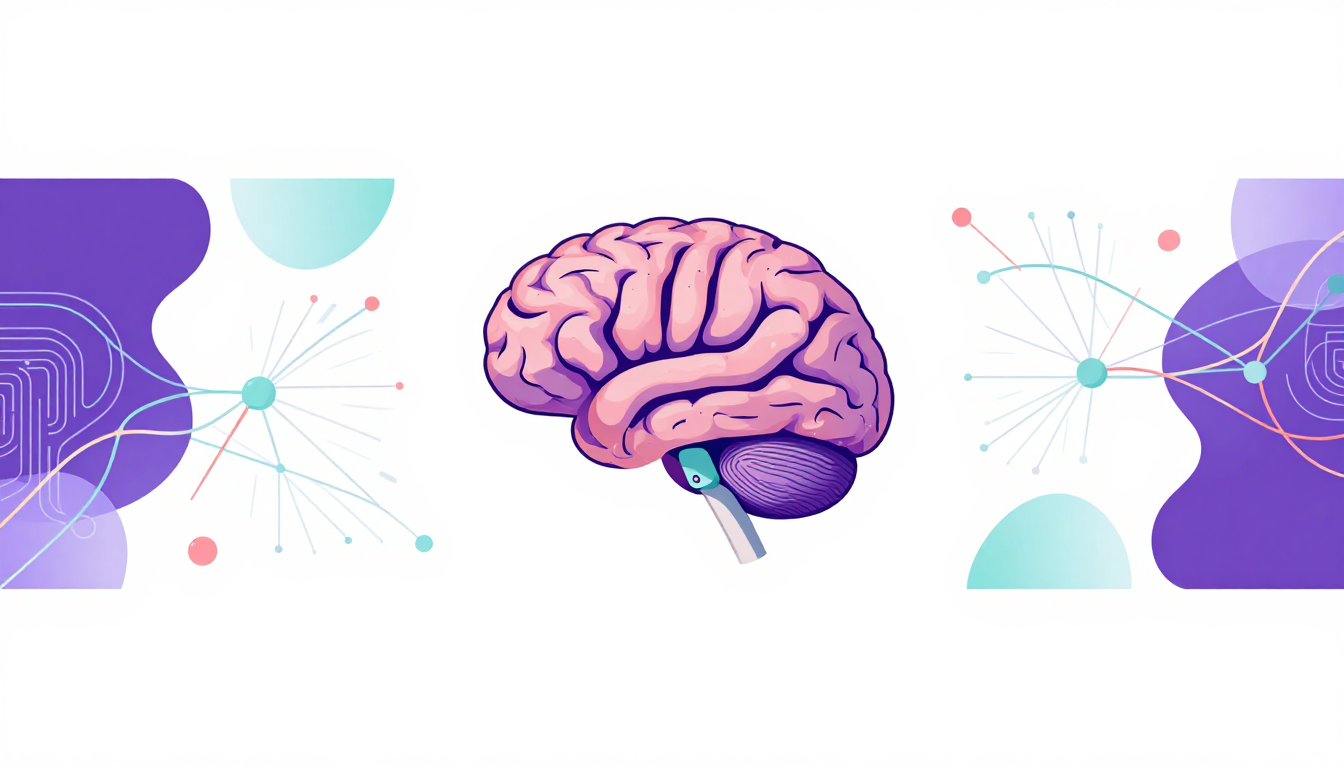
The Brain’s Hidden Learning Switch: How Extracellular Matrix Remodeling Regulates Skill Acquisition and Plateaus
University of Maryland researchers discovered a dynamic physical mechanism in the adult brain that controls learning plateaus. The extracellular matrix (ECM)—a scaffold-like structure surrounding brain cells—loosens within hours of practice to allow synaptic remodeling, then rebuilds within ~24 hours to consolidate gains. As skills approach mastery, this cycle slows and stops, sealing neural circuits to protect learned abilities from decay. Breaking down the ECM with enzymes impairs both acquisi
The Surprising Simplicity Behind How Neural Networks Actually Learn
A Bar-Ilan University study reveals that learning in both artificial and biological neural networks depends on refining existing synaptic connections rather than expanding network architecture, challenging the prevailing trend of endlessly scaling AI models.