
The Brain Doesn't Pause—It Reconfigures
Thirteen thousand women walk into their doctors' offices this month alone, many thinking they're just tired or stressed. They're told it's hormonal and sent on their way, carrying that vague sense of "brain fog"—the feeling your thoughts are wading through wet sand. But what if it's not fatigue, not stress, and definitely not weakness? What if your brain is mid-transformation—actively rewiring itself as estrogen disappears?
That's what University of Vermont researchers discovered recently in a peer-reviewed study published in Menopause. Using resting-state fMRI on 151 women across three distinct stages of menopause, they found something startling: the brain's background chatter—the quiet symphony it runs when you're not doing anything—gets rebuilt. Not damaged. Not broken. Reconfigured.
Estrogen isn't just a reproductive hormone. It's a neuro-regulatory compound, one of the brain's most reliable conductors for baseline stability. When it dips and wobbles during perimenopause and drops hard in postmenopause, the entire network shifts. The supramarginal gyrus and planum temporale—the brain's integration hubs for attention, memory encoding, and sensory weaving—change their default conversations.
And here's the part no one talks about: this isn't decline. It's adaptation.
Because with 6,000 women entering menopause every day in the U.S., and decades of life after it, understanding this neurological pivot matters more than ever. This isn't the end of mental sharpness; it's the beginning of a new operating system.
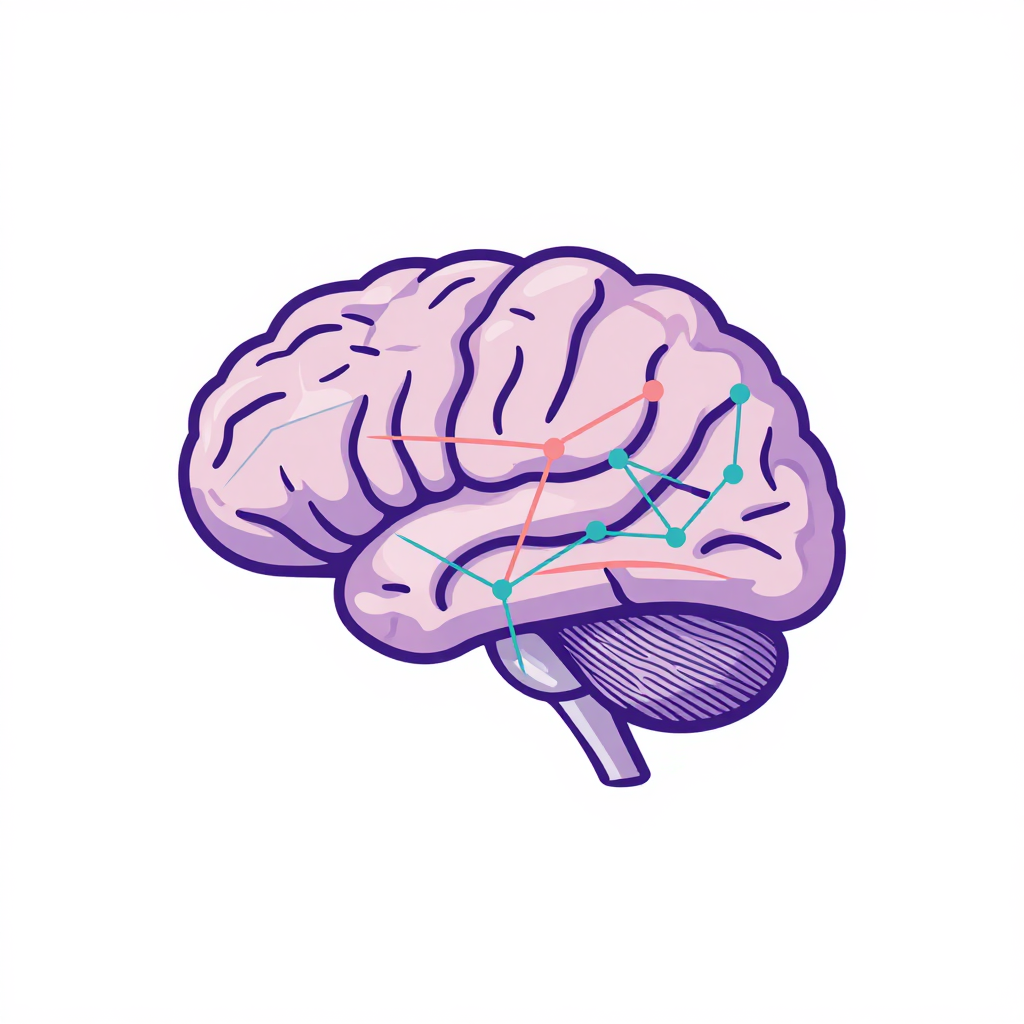
Why the Brain's "Idle Time" Tells the Real Story
You've probably had your brain scanned during a task—say, reciting words backward or tapping your fingers. Those test-based studies dominated neuroscience for years. But they miss what happens when the lights go down and your mind drifts.
Resting-state fMRI captures that idle hum. It's when the brain isn't solving a puzzle or remembering a name; it's checking in with itself, syncing up distant regions, and tuning its internal baseline. Think of it like the difference between listening to a soloist and hearing an entire orchestra tune up before a concert.
Dr. Abigail Testo, lead author of the study and postdoctoral researcher in Dr. Julie Dumas's lab at the University of Vermont, put it simply: "With decades of life remaining after menopause, it is important to understand the neurological effects of hormone changes at midlife."
That's why this study stands out. It didn't just measure memory before and after menopause. It looked at the resting state—the brain's default mode—and found that connectivity patterns changed dramatically across the transition, especially between pre- and postmenopausal women.
Here's what that means in plain terms: When estrogen drops, the brain's internal wiring changes. Not just a few sparks jumping erratically—entire pathways recalibrate. The resting network shows this most clearly because it's the baseline, the background noise that shapes how you respond to stress, retrieve memories, and even feel time passing.
For years, midlife brain fog was chalked up to sleep disruption or childcare chaos. This study proves there's a biological signature, measurable and real, tied directly to estrogen's departure from its regulatory throne.
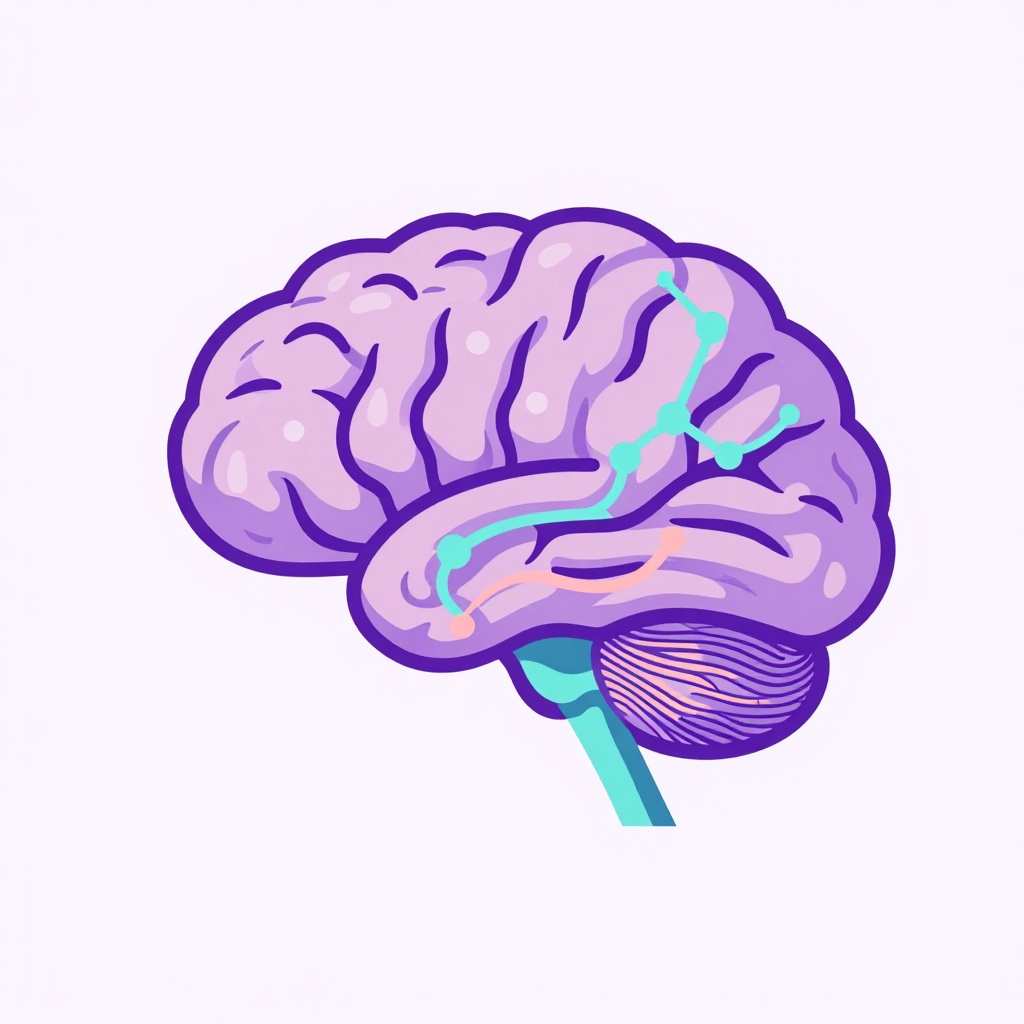
The Supramarginal Gyrus and Planum Temporale—Where Focus Meets Memory
You won't find these brain regions on your average anatomy chart. They're buried deep in the parietal and temporal lobes, but their influence is everywhere.
The supramarginal gyrus helps you integrate sensation with memory and attention—how your brain decides what's important in a sea of stimuli. The planum temporale sits right next to Wernicke's area and plays a key role in language processing, auditory discrimination, and even time perception.
In the University of Vermont study, researchers tracked connectivity between these regions—the supramarginal gyrus (anterior division) and the planum temporale—and discovered meaningful differences across menopause stages. Specifically, one cluster of resting-state connectivity was lower in postmenopausal women compared to premenopausal women.
That's not a failure. That's a recalibration. The brain isn't losing function; it's shifting priorities to match new hormonal reality.
Dr. Dumas, who has spent over 20 years studying menopause and brain aging, puts it this way: "Menopause was historically treated as a reproductive milestone with side effects. We now know it's a full neurological transition—the default network gets rebuilt while the rest of your life stretches out." The brain's ability to adapt in response to estrogen loss is one reason longevity experts are urging clinicians to take menopause-stage seriously as a biomarker for long-term cognitive health.
Estrogen: The Brain's Steady Conductor, Not Just a Reproductive Signal
Let's clear up a dangerous myth: estrogen isn't just about periods, pregnancy, or hot flashes. It's one of the brain's most crucial modulators—acting like a chemical tuning fork for network stability, energy metabolism, and synaptic resilience.
During perimenopause, estrogen wobbles wildly. Some days it spikes, others it crashes. Then postmenopause hits, and levels drop precipitously. The brain, which has relied on this steady chemical signal for years, loses its anchor.
This study directly ties the observed functional connectivity shifts to estrogen fluctuations—not age, not blood pressure, not BMI. The data shows the hormone, not just time, is the driver.
Think of it like this: Your brain's resting network was operating with a certain voltage. Estrogen drop is like switching out the transformer—suddenly, the same circuits run on a different power profile. Some connections dim; others burn brighter. The total output might stay similar, but the pattern? It's brand-new.
That's why saying "it's all in your head" during midlife is both inaccurate and harmful. It's in your head—literally. Your neurons are re-tuning themselves to a new hormonal regime, and the resting-state scan captures it in real time.
Brain Fog Isn't Deterioration—It's the Sound of Reorganization
If you've ever felt like your thoughts are moving through molasses—reaching for a word that hovers just out of reach, forgetting why you walked into a room, losing your place mid-sentence—that's brain fog. And for too long, it was dismissed as fatigue or anxiety.
This study reframes it entirely: brain fog may be the audible byproduct of a brain in active transition. The researchers found that resting-state networks change during the perimenopausal phase, meaning your brain is already wiring differently before full menopause even arrives.
Crucially, this isn't neurodegeneration. There's no evidence of neuron death or pathology here—just adaptation.
Dr. Testo clarified the distinction in an accompanying Q&A: "Understanding this as a natural phase shift helps scientists find ways to support the brain during this window, ensuring long-term mental clarity for the decades of life that follow."
The nuance matters—because if brain fog is a warning sign of permanent decline, women face despair. If it's the sound of an upgrade in progress, they face strategy: sleep timing, cognitive reserve building, and now, hormone therapy decisions informed by neurological evidence, not just symptom suppression.
This is the real pivot point: menopause isn't a countdown to cognitive decline. It's an invitation to reengineer brain health from scratch.
Where Do We Go From Here? Hormone Therapy, Timing, and Neuroprotection
The researchers aren't stopping at mapping the change—they're already moving into phase two: tracking how external hormone replacement therapy (HRT) interacts with these newly mapped neural pathways.
The big question isn't just whether to use HRT, but when, how, and for whom. Does early intervention during perimenopause preserve the old network? Or does it short-circuit the brain's need to adapt? Could specific formulations (estradiol vs. estriol, transdermal vs. oral) produce different neural outcomes?
Dumas and Testo are currently running longitudinal trials to answer these questions. And their lab's work builds on a larger scientific pivot—neurologists are finally catching up to gynecologists in recognizing menopause as a windows of opportunity, not just a threshold to pass.
The data so far shows that the brain's resting-state network responds predictably to estrogen shifts, suggesting timing could be everything. Intervene too late—after the network has fully reconfigured—and you may miss the window for optimal stabilization.
That's why this study is more than a snapshot. It's the foundation for precision menopause care: using resting-state fMRI as a biomarker, tracking individual neural trajectories, and personalizing interventions—not just for hot flashes, but for decades of cognitive vitality.
Decades After—Why This Changes Everything
The NIH estimates 1.3 million women enter menopause every year in the U.S. That's more than a city's worth of people annually, each navigating a hormone cascade that reshapes their brain.
This study flips the script: menopause isn't a finish line crossed in silence. It's a neurological milestone with measurable impact on the brain's default architecture—and therefore, on memory, attention, and resilience across the second half of life.
The takeaway isn't fear. It's clarity.
If your brain feels different at 50, it probably is—and that's not a flaw. It's biology rewiring itself to serve you for the next 30, 40, or 50 years. Understanding how it changes gives us something precious: agency.
The brain doesn't turn off at menopause. It turns up a new frequency. And this study is the tuning fork that finally helps us hear it.