
What Preaddiction Really Is (It's Not What You Think)
You've heard it a hundred times: "I know I should stop." Maybe you said it yourself. Maybe you said it after the third glass of wine, or the fourth hit of your phone, or the fifth time you told your partner you'd quit gaming "just this week."
Here's the thing: you're not lying. You really do know. You've read the articles. You've seen the studies. You know the cost.
And yet—you don't stop.
That's not weakness. That's not denial. That's preaddiction.
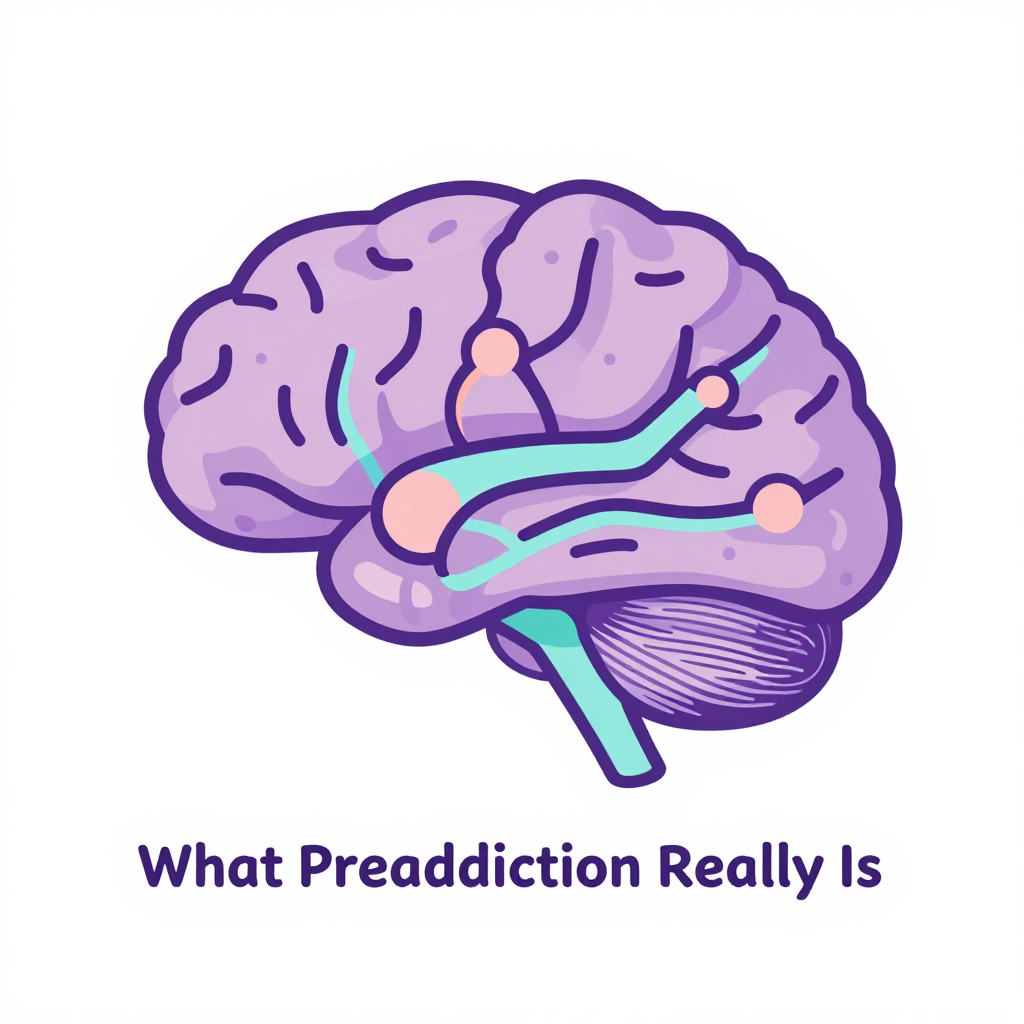
Preaddiction isn't about starting to use. It's not about cravings or binges. It's the quiet, creeping failure of your own mind to listen to itself.
Think of it like prediabetes. Your blood sugar is elevated—not yet diabetic, but the warning lights are flashing. Your body's internal thermostat is broken, even if you still feel fine.
Preaddiction is the same. Your brain's decision-making system is still intact. You can still name the risks. You can still list the consequences. But somewhere between knowing and doing, the signal gets lost.
I've seen it in surgeons who know exactly how opioids wreck lives—and still end up injecting themselves in the locker room. I've seen it in therapists who teach cognitive behavioral therapy to others—and can't apply it to their own binge-scrolling. Knowledge doesn't protect you. It never has.
This isn't metaphor. It's neurobiology.
The Brain That Knows But Won't Listen
The Yale team behind this insight didn't set out to redefine addiction. They were studying decision-making in people with heavy substance use histories. They wanted to know: do addicts simply make bad choices?
Turns out, no.
When given tasks where outcomes were predictable—where one choice clearly led to better rewards—their brains learned it. They understood it. They could even explain it perfectly on a test.
But when it came time to choose? They didn't apply it.
It wasn't random. It wasn't impulsive. It was inconsistent. Like a computer that knows the right code but keeps glitching when it tries to run it.
That's the core of preaddiction: the disconnection between knowledge and action.
Your brain still holds the map. But the compass? It's broken.
And here's what's terrifying: it happens before you've lost control.
You haven't missed work. You haven't lied to your family. You haven't hit rock bottom.
But you've stopped following your own advice.
You know you should go to bed early. But you scroll until 2 a.m.
You know you should cut back on sugar. But you eat the whole bag.
You know you should call your mom. But you don't.
These aren't bad habits. They're early signs of a neural system that's beginning to lose its grip.
The Insula: Your Brain's Internal Alarm System
Here's where it gets real.
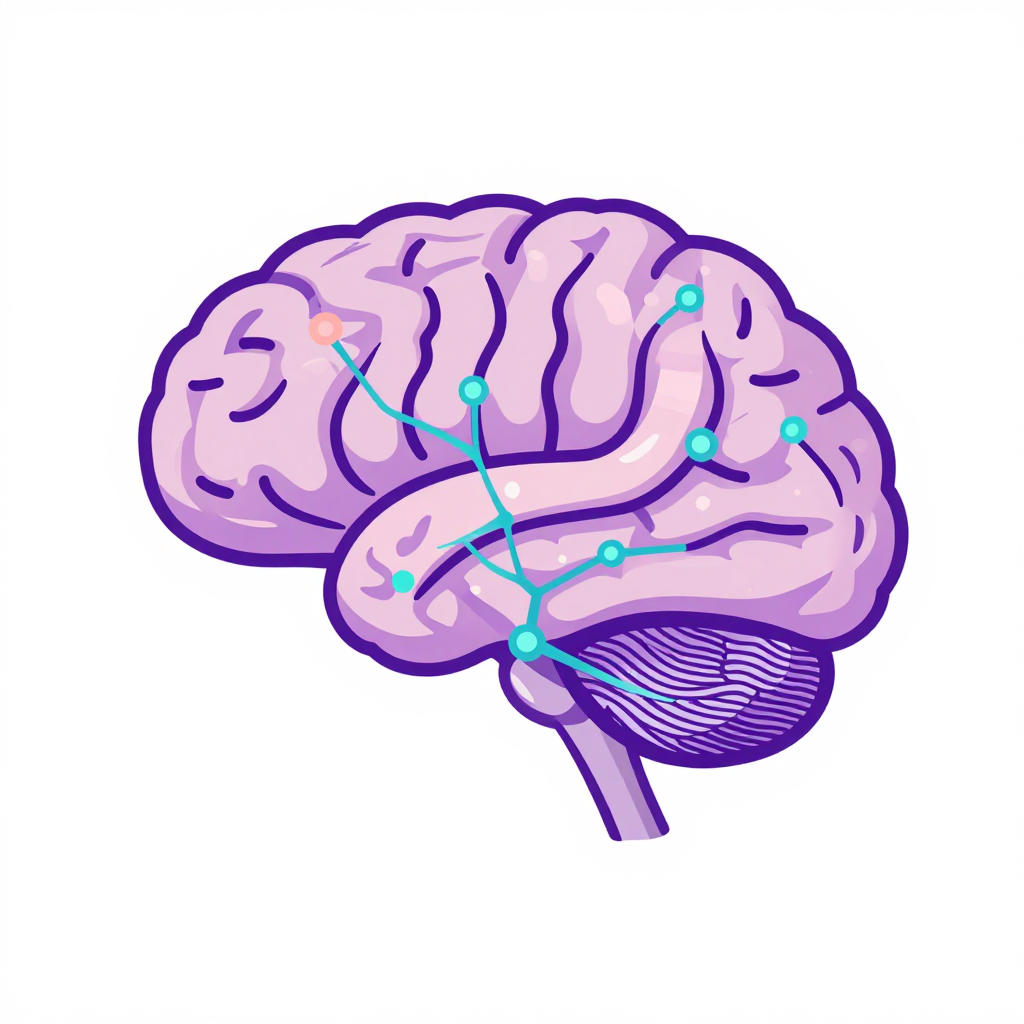
There's a part of your brain called the insula. It's not flashy. It doesn't get its own TV show. But it's the quiet workhorse that connects your body to your mind.
It's the part that tells you: "Your heart is racing. You're anxious. You're not okay."
It's the part that makes you feel the weight of a bad decision before you even act.
In healthy people, the insula lights up when you face a risky choice. It's your internal alarm bell.
In people with addiction? That bell is muted.
fMRI studies show that methamphetamine users have dramatically reduced insula activation when making decisions under stress. Their brains don't register the warning signs. They don't feel the discomfort. They don't care.
And here's the twist: people with insula damage sometimes stop using drugs overnight.
Yes. You read that right.
A stroke that destroys the insula can cure nicotine addiction. Not because the person suddenly gains willpower. But because the craving—the visceral, bodily pull—is gone.
That's not a cure. That's a reset.
It suggests that in addiction, the insula doesn't just fail. It becomes pathologically sensitized. It's not silent. It's screaming—but in a way that's distorted, unreliable, and ultimately useless.
Preaddiction is when that distortion begins.
The Dopamine Deficit You Can't See
But why does this happen?
There's another layer: reward deficiency syndrome (RDS).
This isn't about pleasure. It's about emptiness.
Some people are born with a dopamine system that runs low. Their brains don't produce enough of the neurotransmitter that makes you feel satisfied after a win, a hug, or even a good night's sleep.
It's not depression. It's not laziness. It's neurogenetic.
These people don't crave drugs because they're weak. They crave them because their brains are wired to feel empty.
RDS isn't rare. It's common. And it's hereditary.
Genetic tests like GARS can now identify this risk before any substance use begins.
A child with a family history of addiction? They're not doomed. But they're vulnerable.
And that vulnerability doesn't show up as a craving. It shows up as a quiet, persistent dissatisfaction.
A teenager who can't find joy in anything.
An adult who feels like they're always one step behind.
That's not a personality flaw. It's a biological signal.
Preaddiction isn't about what you do. It's about what you feel—and what you don't feel.
The Warning Signs (Before It's Too Late)
So how do you know if you're slipping into preaddiction?
It's not about frequency. It's about consistency.
Here's what to watch for:
- You've abandoned strategies that used to work. You swore off alcohol after New Year's—and you did it for six months. Then you started again. And then again.
- You make promises you don't keep. "I'll stop after this one." And then you say it again. And again.
- You feel like you're fighting yourself. You know what's right. You just can't make yourself do it.
- You feel numb. Not sad. Not angry. Just… empty. Like you're watching your life from outside.
- You're more reactive. Less thoughtful. More likely to act on impulse.
These aren't moral failures. They're neural red flags.
And here's the good news: this stage is modifiable.
Unlike full-blown addiction, where you're fighting against rewired circuits and withdrawal, preaddiction is still a window.
Small, intentional changes can rewire your brain's response patterns. Research shows that daily self-care practices—ethical, enjoyable choices that align with your values—can gradually restore the connection between knowing and doing. The Quiet Revolution of Daily Self-Care explores how these micro-shifts compound into lasting neural change.
What to Do Now (Before You Need a Rehab)
Treatment doesn't need to be about more education.
You already know.
You need scaffolding.
That means accountability systems. External cues. Structure.
It means working with a coach—not a therapist—someone who reminds you of your own goals when your brain forgets.
It means using apps that lock your phone at 10 p.m.
It means telling someone, "I'm going to stop drinking on weekends. Check in with me Friday night."
It means creating friction.
Because your brain won't listen to reason.
But it might listen to a lock.
And if you're genetically vulnerable? Get tested.
GARS isn't a crystal ball. It's a map.
If you know you're running on low dopamine, you can take steps to boost it naturally—through exercise, sleep, sunlight, and even targeted nutraceuticals like KB220.
You don't need to wait until you're drowning.
Preaddiction is the moment you realize: I'm not broken.
I'm just not listening.
And that? That's the moment you can still change everything.
The Hidden Cost of Knowing Too Much
There's a cruel irony in preaddiction: the more you know, the more it hurts.
I once treated a nurse who had spent 15 years teaching addiction recovery workshops. She knew every DSM criterion. She could recite the neurobiology of dopamine pathways like a textbook. She'd counseled dozens of patients through relapse.
And then she started injecting fentanyl in the hospital bathroom.
She didn't deny it. She didn't blame her job. She didn't say she was "coping."
She said: "I knew it was wrong. I just didn't care anymore."
That's the heart of preaddiction.
It's not that you stop learning. It's that you stop caring about what you've learned.
And that's why traditional addiction treatment often fails.
We keep handing people pamphlets.
We keep saying: "Think about your kids."
We keep asking: "Do you really want to die?"
But if you're in preaddiction, you already know the answer.
You just can't make yourself feel it.
That's why the Yale researchers argue we need to shift from education to execution.
We don't need more facts.
We need more practice.
More repetition.
More scaffolding.
More external systems to hold you accountable until your brain catches up.
Why This Matters for Everyone
This isn't just about drugs.
It's about screens.
It's about food.
It's about work.
It's about relationships.
We live in a world designed to hijack our decision-making circuits.
Algorithms that exploit our dopamine system.
Food engineered to bypass satiety.
Work cultures that reward burnout.
And we're told: "Just be stronger."
But what if strength isn't the problem?
What if the problem is that your brain no longer trusts its own warnings?
Preaddiction isn't a diagnosis.
It's a realization.
It's the moment you realize: I'm not failing because I'm weak.
I'm failing because my brain stopped listening.
And that? That's the first step to healing.
As technology increasingly inserts itself into our emotional lives, understanding this early stage becomes even more critical. The same neural mechanisms that drive substance preaddiction also underlie our growing dependence on digital validation. The Digital Delusion: Assessing the True Utility of AI in Mental Health examines how this pattern plays out in the age of AI chatbots and emotional dependency.