
The Status Ceiling: How Relationship Structures Stifle Altruism
At the heart of human cooperation lies a brittle, yet essential, psychological agreement: the anticipation of reciprocity. When we act generously toward someone else—be it a colleague, a friend, or a neighbor—we operate under a subtle assumption that this act will be returned in kind, fostering a shared bond that strengthens the social fabric. This expectation isn't merely a social convention; it is a fundamental driver of our interpersonal and organizational success. However, research in neurobiology and social psychology suggests that this delicate mechanism of reciprocal altruism is not resilient to all environmental conditions. The architecture of our relationships—specifically, the hierarchical structure—acts as a powerful cognitive filter that dictates how we perceive and execute prosocial behaviors.
As relationships shift from egalitarian peer-to-peer connections to stratified hierarchical roles, our behavioral expectations undergo a profound transformation. Small adjustments to the hierarchy do not just shift the balance of power; they completely reshape our cognitive calculus for generosity, often leading to a systematic decay in the altruistic impulses that sustain our trust. When we perceive ourselves within a ladder of status—rather than in a network of equals—the brain reorders its priorities, moving away from mutual benefit and toward status maintenance. Understanding this shift is no longer just an academic exercise; it’s an essential requirement for anyone navigating the complex, and often rigid, social and professional landscapes of our modern world. In this exploration, we will unpack how that cognitive filter works, why it erosions our reciprocity, and how we might—if we act intentionally—begin to restore the foundation of our social reliability.
The Cognitive Calculus of Hierarchy and Prosociality
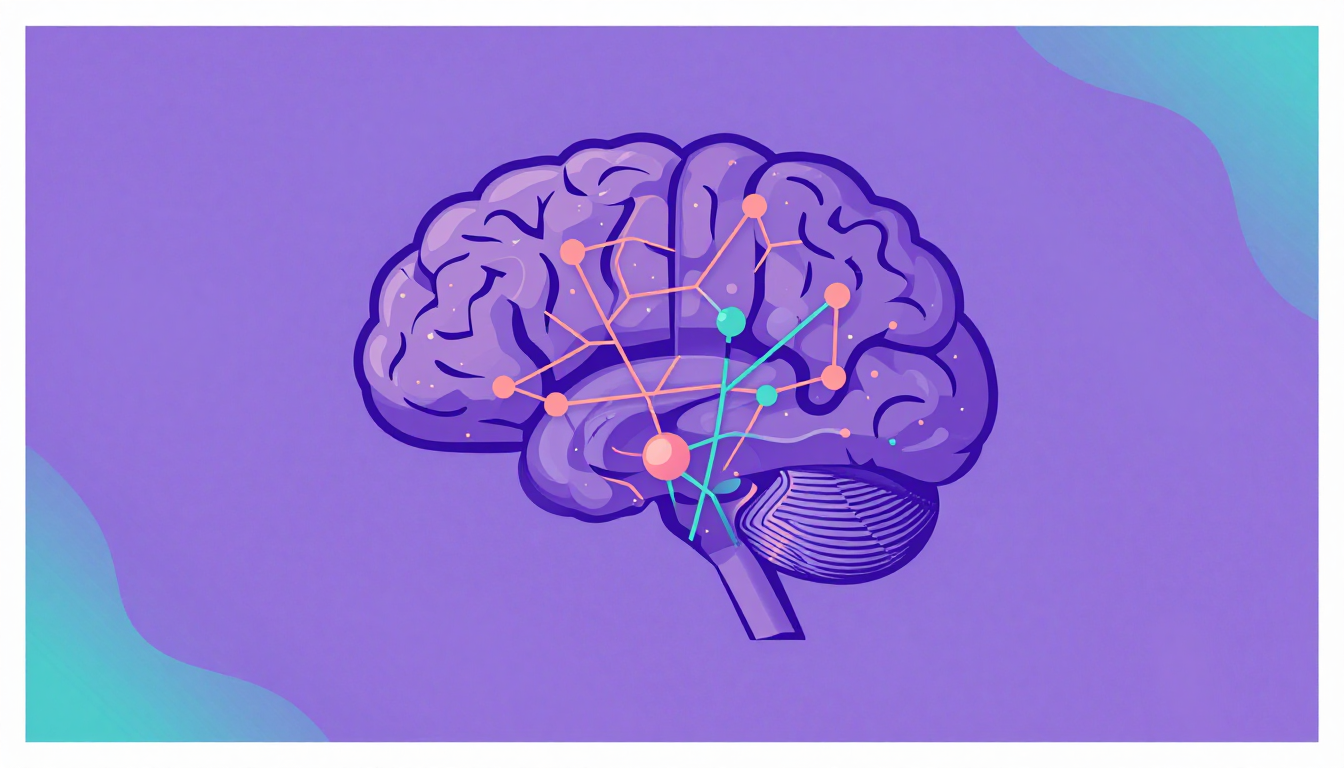
To grasp why hierarchy disrupts generosity, we must first look at what happens under the surface of our social interactions. Our brain is constantly calculating the social cost and reward of our behaviors. Social behavioral neuroscience indicates that our prosocial behavior—the actions we take to purposefully benefit others—is tightly linked to our perception of relationship equality. In peer-to-peer contexts, reciprocal generosity is often treated as a neural default. Our brains anticipate a social reward through mutual support, activating brain pathways associated with trust, empathy, and cooperation.
When hierarchy is introduced, this cognitive filter shifts dramatically. Hierarchy imposes a categorization that distinguishes individuals based on status, power, or authority. This categorization forces our neurological pathways to reassess the value of altruism. In a structured hierarchy, the cognitive burden of maintaining reciprocal obligations is altered or, in some cases, completely disabled. The rules of engagement become explicit, rigid, and status-based. Consequently, the altruistic instinct, which relies heavily on the fluidity of equal exchange, is fundamentally superseded by the rigidity of role-based interactions.
The brain is no longer calculating the future benefit of a reciprocal gesture between peers; it is instead applying a set of status-based status-heuristic rules. These rules are designed for power preservation, not for fostering human connection. As a result, when an individual occupies a subordinate position, the impulse to be generous can be framed as an unnecessary risk, while those in a dominant position may feel that reciprocal gestures are beneath their status-requirement. This shift is not a moral failing; it is an ingrained cognitive adaptation to the environment we inhabit. When the environment demands status hierarchy, our brains comply by re-coding the prosocial calculus, often to the detriment of the very altruistic behaviors that sustain long-term collaboration.
The Decay of Altruistic Reciprocity
The consequence of this cognitive shift is the visible, and often painful, gradual erosion of altruistic reciprocity. In egalitarian relationships, generosity acts like a bridge that creates shared value and deepens connections—it’s the glue of our social world. In a hierarchical structure, however, generosity is frequently re-categorized as a transactional maneuver or, worse, a potential liability.
When hierarchical boundaries become rigid, the perceived value of reciprocal gestures diminishes. Individuals situated within these structures may begin to view altruistic behavior not as a foundation for long-term partnership, but as a potential disadvantage in the competitive status ladder. If generosity is perceived as an expression of subordinance, or as an unnecessary concession in highly competitive settings, the incentive to engage in it evaporates almost instantly. When hierarchical norms replace the ethos of mutual benefit, reciprocity is commodified, and generosity is increasingly viewed not as a strength, but as a risk to one's own standing.
This transactional mindset turns generosity into a zero-sum game. If you assume that the other party will not or cannot return the favor due to the constraints of the hierarchy, the initial act of generosity feels unmoored and potentially wasteful. Over time, this erosion of expectation leads to a systematic retreat from altruism. We become more guarded with our time, our energy, and our support, fearing we will be exploited. This leaves relationships barren of the very warmth and trust that reciprocity is designed to cultivate, creating a cycle of mutual distrust that is notoriously difficult to break. It isn't that we lose our capacity for kindness; we lose the fertile ground upon which that kindness can be reciprocated and thrive. We choose, instead, to interact purely based on the explicit rules of the hierarchy, which prioritize safety and status over the unpredictable, beautiful risks of mutual support.

The Weight of Asymmetry: Organizational Trust
This phenomenon is not merely personal; it carries massive institutional and professional weight. Reciprocity is not just a polite social convention; it is a foundational pillar of organizational trust. Within a high-functioning company or community, asymmetric expectations regarding generosity can create profound imbalances that ripple through the whole system.
Those in higher positions within a hierarchy may, consciously or unconsciously, feel less compelled to engage in reciprocal interactions if they believe their status renders such exchanges unnecessary. They may become deaf to the needs of those they see as subordinate. Conversely, those in lower positions may stop contributing proactively, feeling that their efforts are not met with the necessary support or opportunities for growth. This asymmetry destroys the 'human capital' shared via effort and trust. The loss of reciprocal mechanisms leads to a cascade of negative outcomes: decreased engagement, weakened collaborative frameworks, and a fractured sense of organizational purpose that drives high turnover.
When the institutional culture rewards status over contribution, and competition over mutual support, the cycle of generosity is effectively broken. The institution becomes a collection of individuals acting for their own personal advancement, disconnected from the shared effort that requires, and provides, human value through reciprocity. The consequences of this are measurable in diminished productivity, lost creativity, and a pervasive culture of suspicion that poisons the air. Leaders often try to solve these issues with surface-level fixes—team outings, or mission statements—without ever addressing the root cause: a organizational architecture that fundamentally discourages the simple, profound act of mutual, reciprocal generosity. Rebuilding this foundation is difficult because it requires challenging the hierarchy, an act that is often seen as dangerous to those holding the most power.
Pathways Toward Intentional Reciprocity
Can this erosion be reversed? Recognizing that hierarchy, rather than being an immutable law of nature, is often just a flexible, and sometimes faulty, construct is the first essential step toward restoration. The task for leaders—and for each of us in our personal lives—is to intentionally foster environments where hierarchical structures do not extinguish the human impulse for reciprocal generosity.
- Cultivate Shared Goals Above Status: By refocusing interactions on shared, tangible objectives rather than status distinctions, leaders can reintroduce the context of equality where altruistic reciprocity thrives. When we are all focused on the same outcome, the hierarchy becomes a tool, not a barrier.
- Normalize Proactive Recognition of Reciprocal Acts: Institutions must actively reward reciprocal behavior, and not just outcomes. This signals that generosity is not a weakness but a core competency that directly strengthens the collective. It makes the 'risk' of being generous feel more like an investment.
- Minimize Asymmetric Power Dynamics: Wherever possible, structural mechanisms should be designed to encourage bilateral communication and exchange. Reducing the rigid categorization of status can help alleviate the perceived competitive risks of being generous, helping to balance the playing field.
- Model Vulnerability: Leaders must be willing, and actually commit, to being vulnerable. By admitting they need support from those ‘below’ them, they break the status heuristic, showing that even within the hierarchy, reciprocity is both expected and valued.
Restoring reciprocity requires an active rejection of the transactional mindset that hierarchy often breeds. It requires a commitment to seeing the 'peer' behind the 'position'. It is a daily practice, not a one-time policy implementation. It asks us to choose the risk of trust over the safety of the ladder. It asks us to be human, even when the structure tells us to be a cog.
Looking Forward: Redefining Our Social Calculus
The influence of relationship hierarchy on our behavioral expectations is profound, often invisible, and almost always underestimated. By understanding how status and power dynamics act as cognitive filters for generosity, we can more effectively diagnose—and potentially remedy—the decay of altruistic reciprocity in our social and professional lives.
We must remember that generosity is truly the lifeblood of sustainable human connection. If we allow rigid hierarchies to dictate our social calculus, we lose more than just a favor returned—we lose the foundation of our shared trust, the quality of our collaboration, and the inherent value of our human capital. The journey toward restoring balanced, reciprocal relationships begins with the recognition of our ingrained cognitive tendencies and the deliberate, often difficult choice to act beyond the status ladder. Only by nurturing mutual support, and by actively fighting to maintain the 'peer' connection, as explored in our deeper look at relationship traits, can we build truly resilient social structures that value people over positions. This is the challenge of our time, and the reward is a social fabric far stronger than the one we risk losing.