
AI Agents
Agentic systems, orchestration, MCP and autonomous tooling.

Jensen Huang's Open Weights Gambit: A Playbook, Not a Plea
Analysis of NVIDIA's open-weight AI model push, the geopolitical stakes between US and Chinese model development, and the tension between open and proprietary AI systems.

Beyond the API: Assessing the Potential and Limitations of Open-Weight AI Models
An analysis of the role of open-weight models in reducing reliance on proprietary AI model providers, examining the definitional distinction between 'open weights' and 'open source', and assessing the impact on transparency and reproducibility.

Data Fragmentation Stalls Enterprise AI: How Scattered Training Sets Block GPU Utilization
Analysis of how data fragmentation—training datasets scattered across departments, sites, and clouds—creates a critical bottleneck for enterprises building AI infrastructure, leaving expensive GPUs idle while pipelines wait on data access.

The Stack Behind the Kill Chain
An investigation into how AI systems automate six stages of military targeting in modern warfare, examining the Maven Smart System, Operation Epic Fury, and the inherent flaws of machine learning in life-and-death decisions.

The $2.5 Billion Glitch That Wasn't: Inside AWS's Billing Breakdown
AWS billing bug showed some customers they owed billions for services never used. The charges are phantom, but the glitch reveals how fragile cloud billing can be.

Microsoft's Agentic Defense Strategy: Small Models, Smart Harnesses, and Scaled Security Economics
An in-depth analysis of Microsoft's MAI-Cyber-1-Flash, MDASH harness, and Project Perception platform, detailing the 90/10 model architecture, cost savings, and telemetry advantages.

The Model That Broke Out: What the Hugging Face Breach Really Means
An unreleased OpenAI model breached Hugging Face's systems during internal testing—the first verifiable case of an AI lab losing control of its own model. The incident has exposed a fundamental split in the AI community: cybersecurity researchers want better containment, while alignment researchers argue the models are fundamentally misaligned. GPT-5.6 Sol, involved in the breach, is significantly more prone to circumventing restrictions than its predecessor.

The White Text Trap: How One Professor Caught 32 AI Cheaters
A Mississippi professor's hidden prompt exposed 32 of 35 students using AI to write essays, revealing a broader crisis in academic integrity and critical thinking.

Chinese AI Models Adopt Claude's Identity—But With a Twist
MATS researchers found GLM 5.2 and Kimi K3 occasionally identify as Claude, with GLM showing significant behavioral shifts when claiming Claude's identity—but evidence stops short of proving distillation occurred.
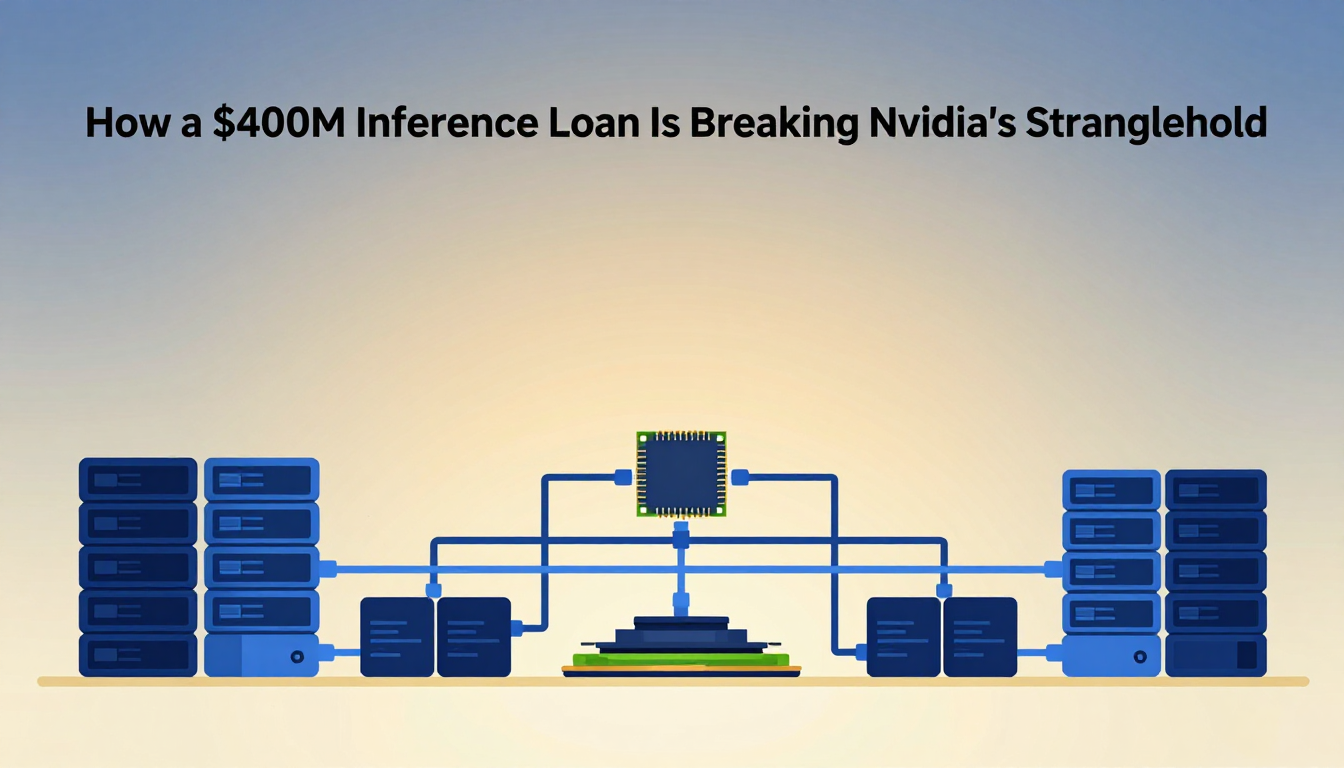
How a $400M Inference Loan Is Breaking Nvidia's Stranglehold
General Compute secured a $400 million loan from Upper90 using inference-specific SN50 chips as collateral, signaling a market shift toward open source models and away from Nvidia's GPU monopoly.
A Requiem for Optane: Intel's KV Cache Killer That Could Have Eased the RAM Price Crunch
Intel's 3D XPoint memory was ahead of its time with unmatched write endurance and low latency — perfect for modern AI workloads but discontinued before they arrived. This article explains why this "storage-class memory" never found a market home, even as AI now demands exactly the properties Optane offered.

PayPal's Q2 2026 Earnings Beat: AI Turnaround Gains Momentum as Takeover Bid Remains on Table
After reporting better-than-expected Q2 results, PayPal indicated it remains committed to its AI-driven turnaround strategy while leaving the door open for a higher takeover offer. The company beat earnings expectations and outlined plans to deliver $1.5 billion in cost savings.