
AI Agents
Agentic systems, orchestration, MCP and autonomous tooling.

The Accessibility Tree Decides Whether an AI Agent Can Read Your Page
AI agents don't read your website like humans do. They read the accessibility tree — a stripped-down structural model that powers screen readers and now drives autonomous agents. With 57.2% of HTML traffic now automated (Cloudflare, June 2026) and WebAIM reporting web accessibility regressed for the first time in six years, site owners face a new reality: the structure that lets machines understand your page is breaking down just as more traffic depends on it.

Stop Building Agent-Only Websites: Mueller on Why Clean HTML Wins
John Mueller's response to SEO agentic web browsing and markdown layout trends clarifies why clean HTML is better than building special files for AI.
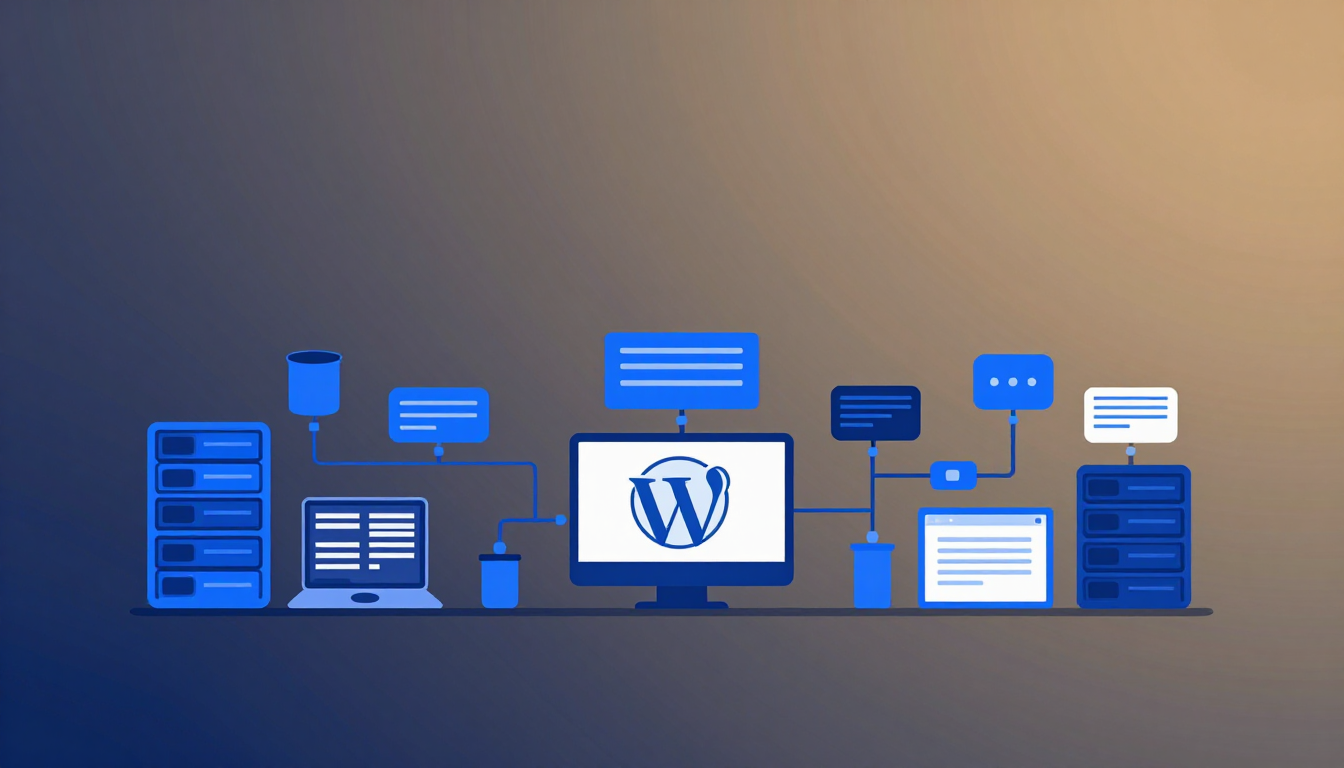
WPVibe: The WordPress MCP Server That Lets Any AI Safely Edit Your Site
SeedProd's WPVibe plugin turns any MCP-compatible AI client into a WordPress co-pilot — enabling safe content editing, SEO optimization, WooCommerce management, and theme design through a sandboxed conversation interface with approval gates for destructive actions.
MRAgent Cuts Agent Memory Costs by 27x — Here's Why That Matters for Production AI
National University of Singapore researchers introduce MRAgent, a memory retrieval framework that slashes per-query token consumption for LLM agent recall from 3.26M (LangMem) to just 118K tokens, enabling more efficient and scalable agentic memory systems.
Z.ai Ships Free ZCode Coding Agent to Rival Cursor and Claude Code
Beijing-based Z.ai has launched ZCode, a free agentic development environment built around its GLM-5.2 model, directly challenging Cursor, Claude Code and GitHub Copilot in the AI coding tool market with aggressive pricing and an open-source model trained entirely on Chinese silicon.

DSpark's 85% Speed Claim Hides the Real Bottleneck: Acceptance Quality
DSpark is an open-source orchestration framework developed by DeepSeek to accelerate LLM inference. While raw decoding speedups of up to 85% have been demonstrated, final real-world acceptance quality remains a critical factor in overall system performance.
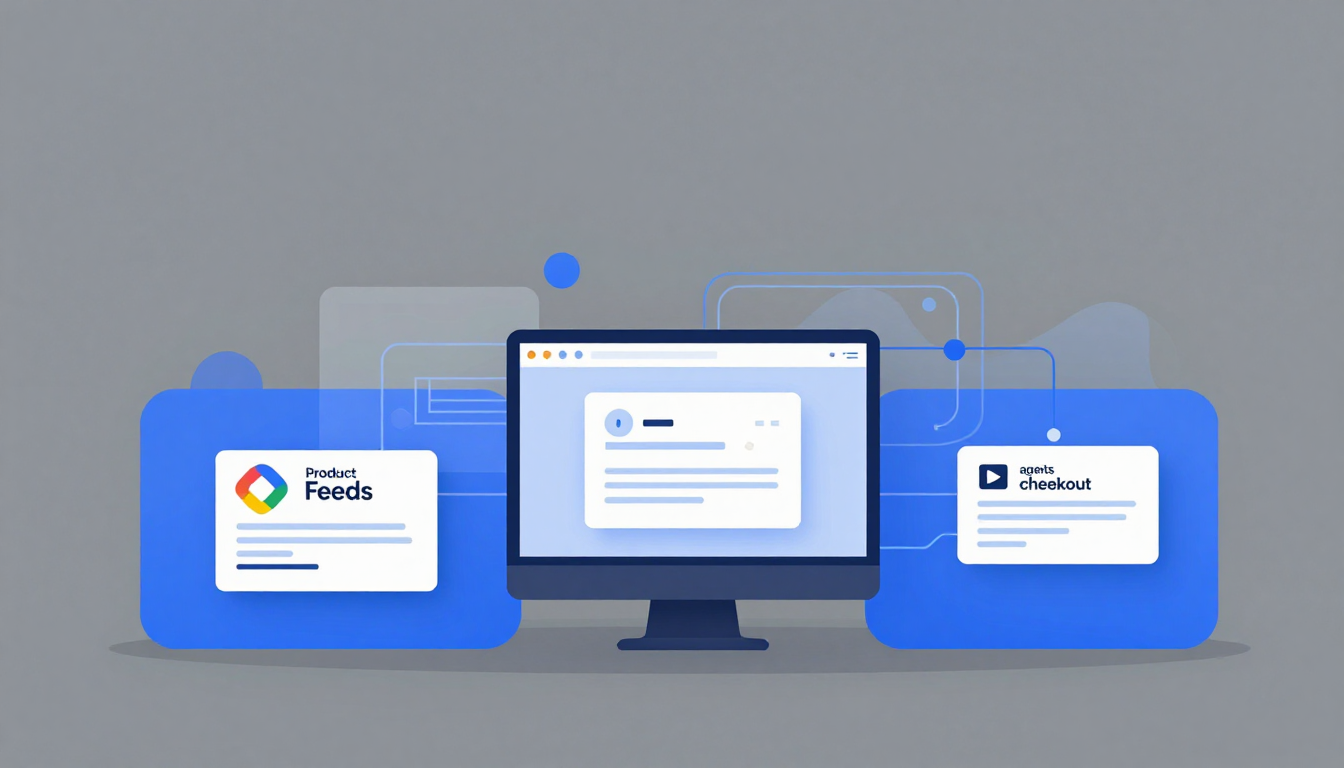
Agentic Commerce Is Rewriting Google Ads — Here’s How to Adapt
AI agents are reshaping Google Ads as they shop and checkout for customers. Product feeds become bidding signals, Direct Offers opens a new paid surface inside AI Mode, and agentic checkout breaks attribution in two distinct ways.

The Shift to AI Production: Guillermo Rauch on Price, Performance, and Decoupling Models from Agents
Vercel CEO Guillermo Rauch discusses the transition from AI prototyping to production optimization, emphasizing price/performance trade-offs and the need to decouple models from agents.

Claude Sonnet 5: A Leap Forward in Agentic AI with Lower Costs and Stronger Safeguards
Claude Sonnet 5 slashes the cost of automation loops, offering SecOps real-time safeguards and auto-checking capabilities, but with clear red-team limits.

The Agentic Shift: Architecting Memory for Persistent AI Systems
As AI workloads shift from transient exchanges to persistent agentic systems, GPU memory bottlenecks become the primary architectural challenge requiring new context tiers.
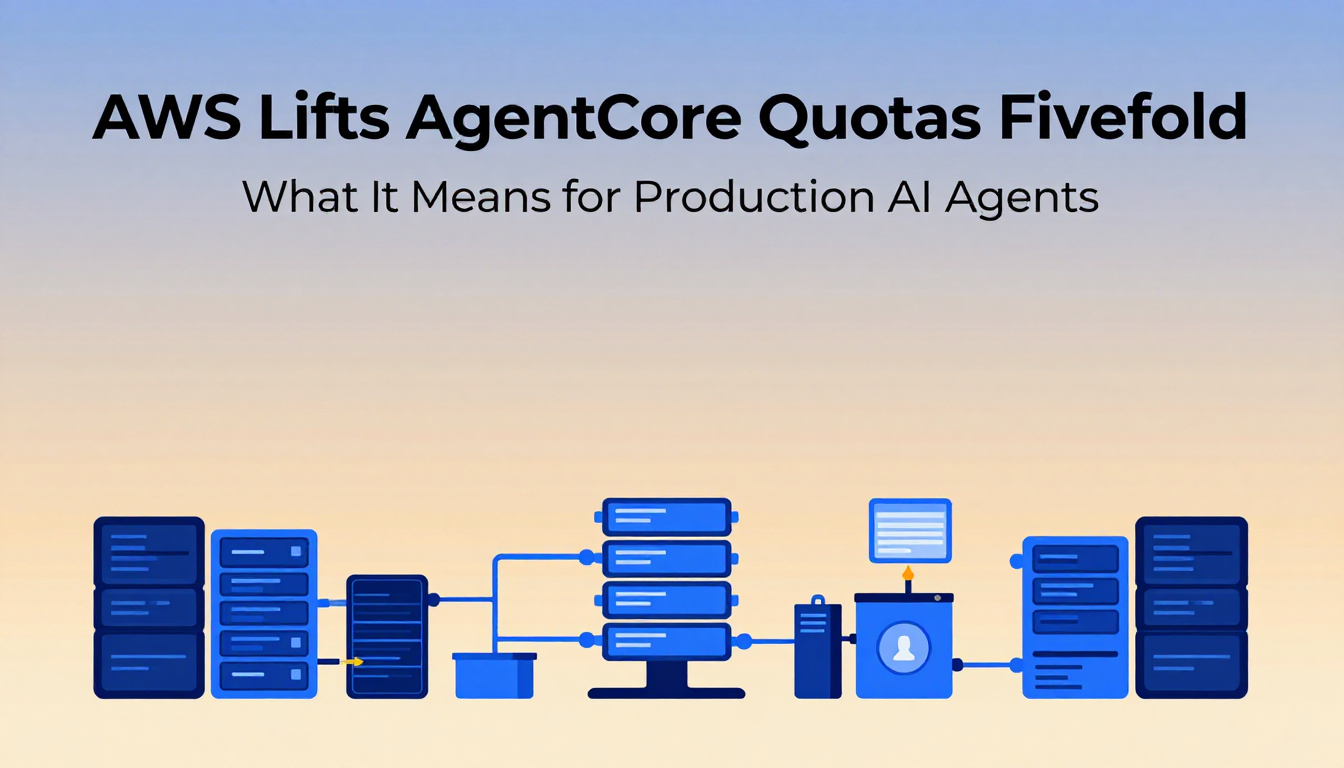
AWS Lifts AgentCore Quotas Fivefold — What It Means for Production AI Agents
AWS has raised default runtime quotas for Amazon Bedrock AgentCore by up to five times, removing a major bottleneck that was forcing enterprises into quota-increase cycles when moving AI agents from pilot to production.
Breaking the Wrapper: How Xiaomi’s HarnessX Rewrites Agent Scaffolding at Runtime
Xiaomi’s HarnessX framework dynamically modifies AI agent wrapper code mid-task, delivering a 14.5% average performance increase and 44% jumps for smaller models.