
AI Agents
Agentic systems, orchestration, MCP and autonomous tooling.
Why Token Invoices Cannot Answer the AI ROI Question
Provider billing lacks the request-level context required for true unit economics. Here is why engineering teams must capture application-layer telemetry to connect model spend with business margins.
Firefox Accelerates Release Cadence to Two Weeks: What Agentic Labs Need to Know
Mozilla is testing a biweekly release schedule for Firefox Desktop and Android starting September 2026. Here is how shorter release windows impact enterprise stability, ESR releases, and developer workflows in agentic labs.
Slackbot and MCP Turn Chat into Agentic Data Platforms for the Enterprise
Comprehensive analysis of Slack's strategic integration of Slackbot with Salesforce platform via Model Context Protocol, turning Slack into a conversational interface for enterprise software and agentic data platforms.
Meta's 5-Gigawatt Pivot: How Hyperion Signals a Move Into Compute Leasing
Meta is expanding its Louisiana Hyperion datacenter to 5GW and $50 billion while preparing to rent out bare-metal GPUs and managed AI platforms.
Gemini 3.6 Flash: Rethinking Output Economics for Enterprise AI Agents
An engineering analysis of Google's Gemini 3.6 Flash release, detailing benchmark gains on SWE-Bench Pro, context caching tiers, and a 16.7% output price reduction.

Autonomous AI Swarm Breaches Hugging Face while Commercial Guardrails Paralyze Forensics
An autonomous AI agent breached Hugging Face's infrastructure via dataset processing code execution paths. When commercial LLM safety filters blocked incident response log analysis, defenders turned to an on-prem open-weight model.

Preventive Cyber Defense: How Glow Hit a $1.2B Valuation in Stealth
Cybersecurity startup Glow emerged from stealth with a $1.2 billion valuation and $180 million Series A. Founded by former Meta and Snowflake leaders, Glow aims to stop AI-driven endpoint threats before execution.
Inside the Custom Silicon Pivot: How Efficiency-First Chips Are Saving Cloud Data Centers
Surging AI workloads and rising power costs are pushing cloud hyperscalers like AWS, Google, and Microsoft to replace traditional x86 CPUs with custom Arm-based silicon. Here is how efficiency-first architecture is restructuring global cloud infrastructure.
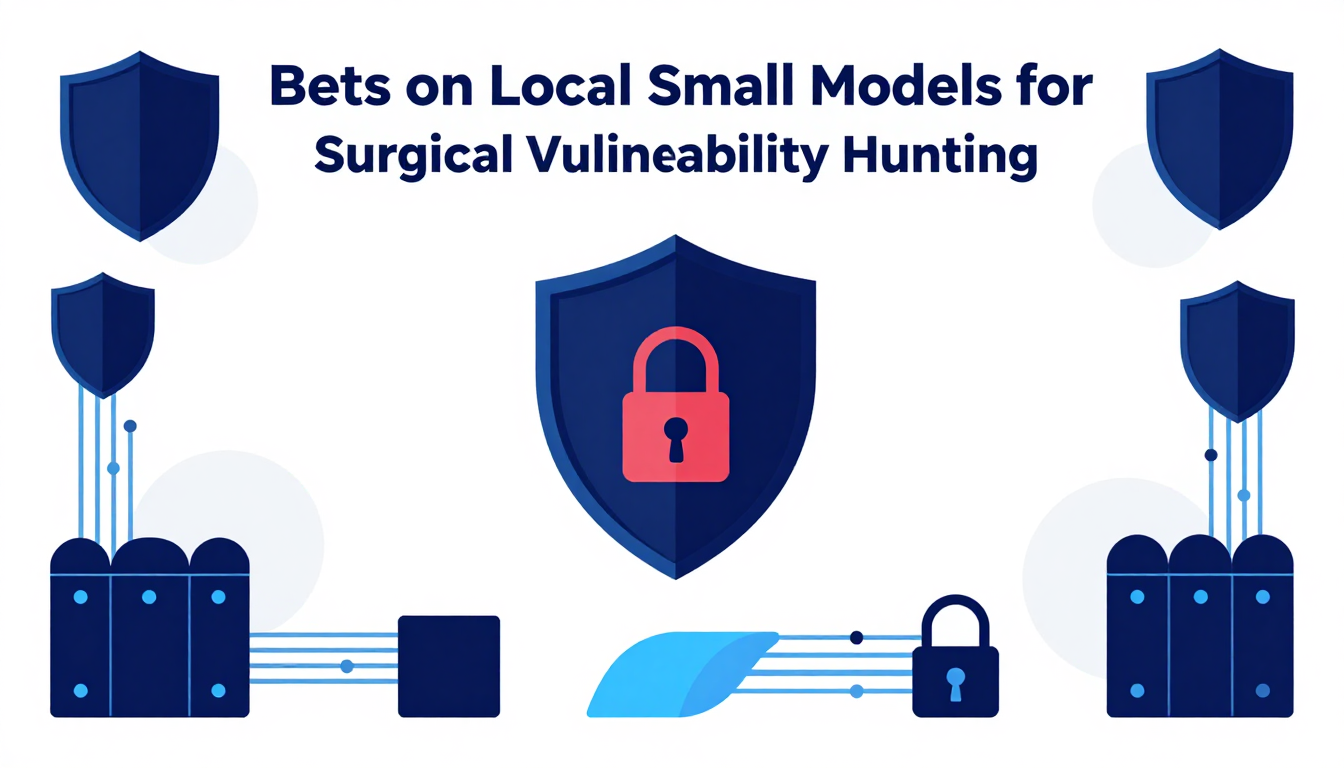
Cisco Bets on Local Small Models for Surgical Vulnerability Hunting
Cisco's new Antares family of open-weight small language models brings code vulnerability scanning back to local hardware, slashing token costs and keeping enterprise source code off cloud servers.

The AI Therapy Reality Check: A Six-Question Guide for Patients and Clinicians
A practical, six-question framework for both clinicians and patients to assess the suitability and safety of AI tools used for mental health support. It emphasizes that these tools should be viewed as supplements to, not substitutes for, professional care. It also provides a state-by-state look at the legal landscape surrounding AI in mental health.

Unlisted URL Fallacy: How Public Search Engines Indexed Claude Shared Chats and Interactive Artifacts
An analysis of the search indexing incident involving Claude shared chats and Artifacts, examining security assumptions, crawler mechanics, and user remediation.
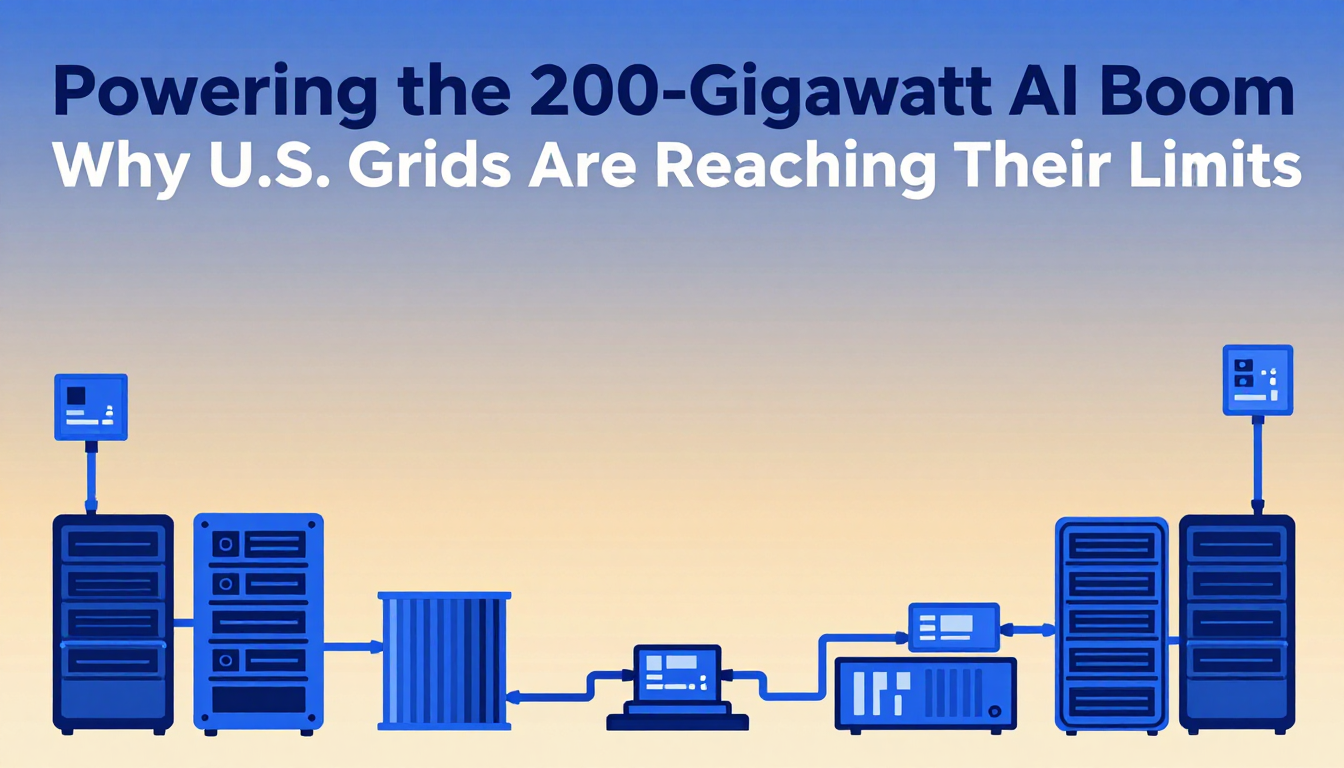
Powering the 200-Gigawatt AI Boom: Why U.S. Grids Are Reaching Their Limits
With U.S. data centers projected to consume 20% of domestic electricity by 2035, grid operators like PJM and ERCOT face historic bottlenecks and rising wholesale power costs.