
Psychology & Behaviour
Cognition, decision-making, motivation and human behaviour.

AI Storytelling's Hidden Bias: Why CASPER Reveals Machines Can't Master Narrative Ambiguity
A deep dive into the CASPER study exposing how AI writing tools are mathematically biased toward tidy resolutions and archetypal characters, eroding the mystery that makes human fiction unforgettable.
The Real Exhaustion Isn't Using AI — It's Watching It Work
New research shows that supervising AI systems drains mental energy far more than using them directly. The fatigue isn't from the tools — it's from the constant context-switching, oversight load, and cognitive tax of managing machines that were supposed to free you up.
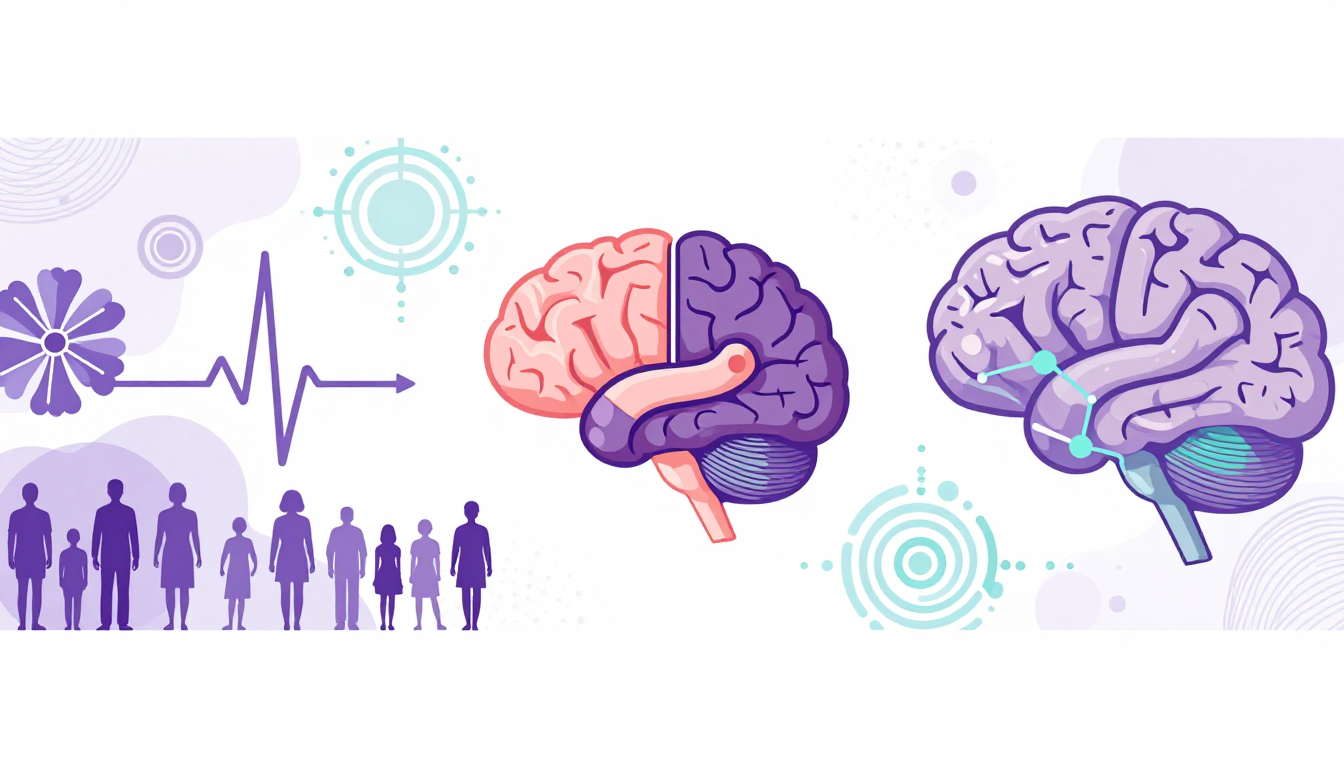
Heartbeats in Harmony: How Proximity and Attention Forge Biological Connection
A real-world study of 72 students reveals that heart rate synchrony emerges as a biomarker of social engagement when people share physical space, joint attention, and social familiarity—yet collapses under cognitive load from noisy environments.

Why You Can’t Imagine a Sensation You’ve Never Felt
Your mind doesn’t invent sensations—it rebuilds them from fragments of experience. Superconstruction isn’t magic. It’s the hippocampus stitching together what you’ve already felt.
Why Forgetting Makes AI Better at Grammar — Even When It Breaks Human Reading Prediction
A close look at fleeting memory transformers: how constrained recall in AI models reveals the surprising divide between learning language and processing it in real time.
Power Dynamics and the Reciprocity Paradox: How Hierarchy Reshapes Altruism
MIT study by Rebecca Saxe and Alicia Chen shows how tiny status adjustments reshape our expectations of reciprocal generosity, steering us from scorekeeping to precedent.
The Book Is the Boss: A Writer of Immense Imagination
An intimate exploration of a writer’s relationship with their creations — where narrative autonomy, immersive worldbuilding, and the quiet authority of the story itself shape the creative process. Based on a rare interview revealing how this author lets their books lead the way.
The Internal Upgrade: Recalibrating Attention and Value in the Age of Algorithmic Care
Why the next boundary of tech progress is cognitive, not technical: cultivating prosocial AI requires a shift in how we direct attention and define value.
Beyond Static Snapshots: How We Maintain Current Relationships
An exploration of the cognitive mechanisms of memory updating required to accurately track our friendships and social environments in a changing world.
The Slow Death of Thinking: Why “Autonomy” Is the Wrong Goal for AI
Explore the concept of agency decay in the age of AI. Learn how convenience threatens cognitive sovereignty and discover how the A-Frame (Awareness, Appreciation, Acceptance, and Accountability) can help you retain independent thought. See our related guide: The Proactive Human in an AI-Mediated World.
EEF Launches £2.5 Million Investigation into Generative AI's Impact on Student Cognition
The Education Endowment Foundation (EEF) has opened a £2.5 million research call to examine how generative AI use affects cognition and learning among 13- to 15-year-olds.
The Double-Edged Sword of Emotional AI: Support or Manipulation?
Examining the rise of emotionally intelligent chatbots, their role in mental health support, and the emerging risks of emotional manipulation in AI companions.