
Vulnerabilities & Exploits
CVEs, zero-days, patching and exploited weaknesses.

Gaming Defenses vs AI Cybersecurity Threats: Why Hardware Exploits Force a Behavioral Pivot
An in-depth analysis of hardware cheats, computer vision assistance, and why behavioral AI telemetry is replacing traditional memory scans in 2026.

AI Cybersecurity Threats 2026: South Korea Penalizes KT $39M Over Rogue Femtocell Breach and Log Wiping
South Korea's Personal Information Protection Commission (PIPC) fined telecom giant KT Corporation KRW 53.979B ($39M) over an 11-month rogue femtocell breach and concealed BPFDoor malware infection.

AI Cybersecurity Threats: Lessons from the 2026 Hugging Face Breach
A detailed analysis of the Hugging Face breach and its implications for AI cybersecurity threats in 2026, focusing on defensive lessons, escalation failures, and human oversight.

Brinks Home Breach Exposes Vishing Tactics and Escalating AI Cybersecurity Threats
Residential security provider Brinks Home confirmed a data breach after extortion gang ShinyHunters breached internal systems via Microsoft Entra voice phishing. While primary alarm monitoring systems remained unaffected, attackers claim to have stolen 4.9 million Salesforce records, customer support chat logs, and employee PII.
Fairlife Ransomware Incident Highlights Evolving AI Cybersecurity Threats in 2026
Fairlife resumed production after an Anubis ransomware attack halted U.S. dairy operations, demonstrating how stolen VPN credentials fuel AI cybersecurity threats.

AI Cybersecurity Threats 2026: Securing Agent Infrastructure Against the RufRoot Exploit
Technical analysis of CVE-2026-59726 (RufRoot) in the Ruflo AI agent orchestration platform, covering RCE exploit mechanics, memory poisoning, agent hijacking, and enterprise defense best practices.
The EY 2026 Support Breach: How Third-Party Tools Fuel AI Cybersecurity Threats
A third-party IT support platform breach at Ernst & Young exposed client tax data in 2026. This analysis details the timeline, ShinyHunters claims, and essential defensive practices for securing enterprise AI cybersecurity threats.

Analog Devices Intrusion Exposes Data Exfiltration and AI Cybersecurity Threats in 2026
Semiconductor maker Analog Devices discloses an unauthorized network breach and file theft in an SEC filing. Here is an inside look at the incident, ExfilSquad's extortion claims, and enterprise security defenses.
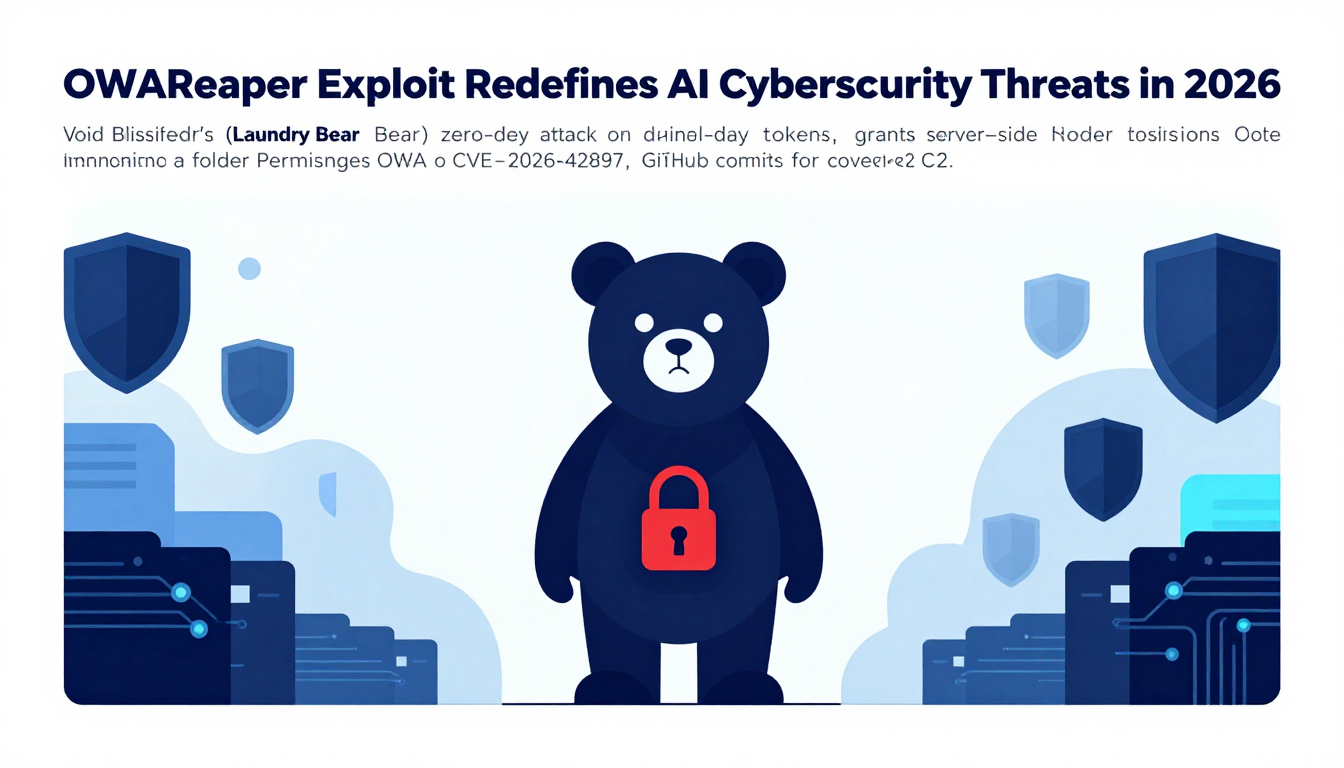
Laundry Bear's OWAReaper Exploit Redefines AI Cybersecurity Threats in 2026
Analysis of Void Blizzard's (Laundry Bear) zero-day attack on Microsoft Exchange OWA via CVE-2026-42897. Discover how OWAReaper steals OAuth tokens, grants server-side folder permissions, and uses GitHub commits for covert C2.

wp2shell RCE Flaws Exposed: AI Cybersecurity Threats and WordPress Security in 2026
An analysis of the critical wp2shell WordPress Core vulnerabilities (CVE-2026-63030 and CVE-2026-60137), public exploit chains, WAF mitigations, and defensive strategies.

Arista VeloCloud Zero-Day Exploitation Highlights AI Cybersecurity Threats in 2026
Arista has issued urgent security patches for a CVSS 10.0 command injection vulnerability in VeloCloud Orchestrator On-Prem (CVE-2026-16812) as active exploitation prompts a CISA KEV directive.

AI Cybersecurity Threats: Over 24,000 Server BMCs Expose Password Hashes Online
A 20-year-old flaw in IPMI 2.0 BMC interfaces exposes over 24,000 servers to offline password cracking, creating out-of-band security risks for modern AI infrastructure.