
The Biological Cost of Wakefulness
We treat sleep like a luxury, a chore to be negotiated, or a sign of weakness. But biology is far more ruthless than our productivity culture. Sleep isn't an optional pause; it’s a non-negotiable structural necessity, a physical cleaning service that the brain requires to survive. For years, the idea that sleep is just "resting" has dominated, but the reality is far more kinetic. Your brain is essentially performing a massive, nightly file-system defrag, and the latest evidence shows exactly why skipping this process leads to literal, measurable clutter in your neural pathways.
For a long time, the "why" of sleep has been one of the biggest mysteries in biology. We knew we needed it, and we knew what happened when we didn't get it—foggy thinking, irritability, and, eventually, profound cognitive impairment. But we didn't have the "under the hood" view of exactly what was happening physically. Now, a 2026 study has provided the first real human evidence validating a framework called the Synaptic Homeostasis Hypothesis (SHY). It’s not just a theory anymore; it’s a observable physical reality.
The Synaptic Homeostasis Hypothesis: A Brain in Overdrive
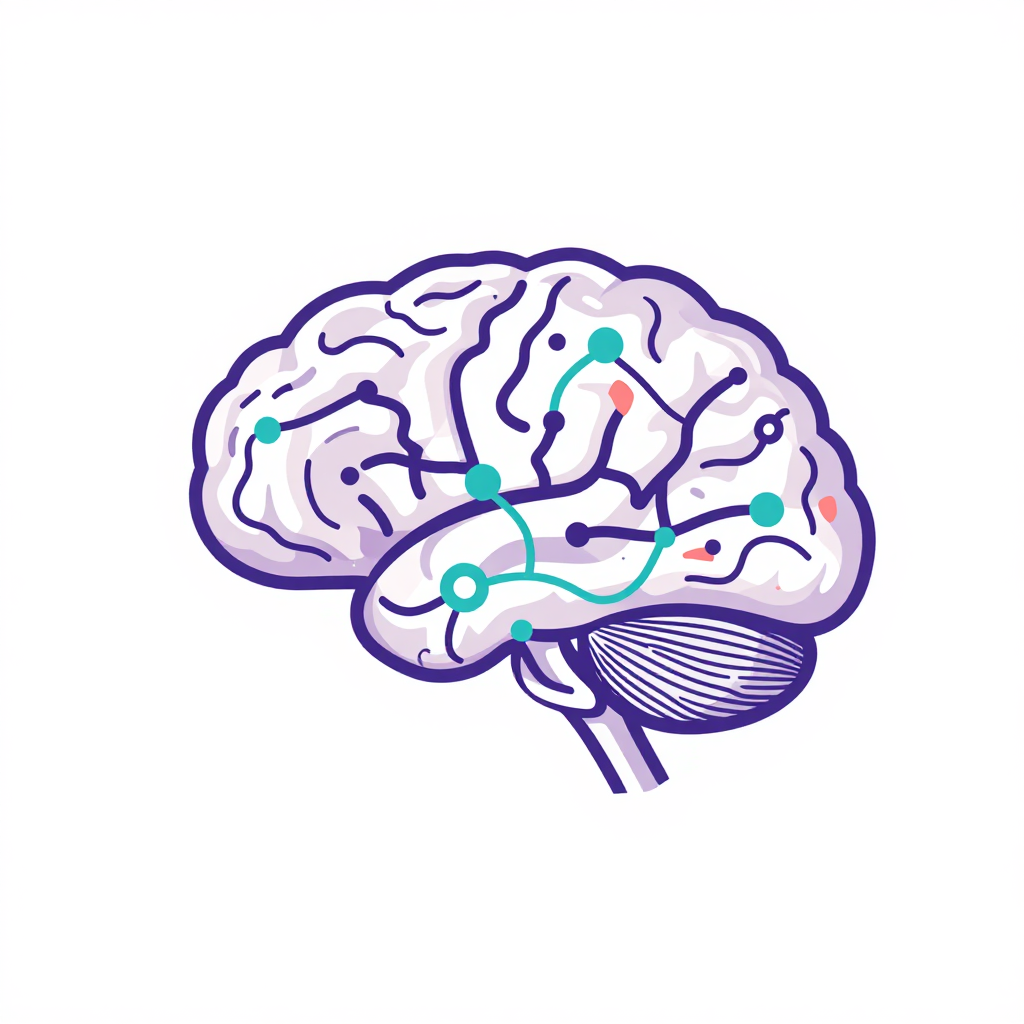
To understand why you need sleep, you have to understand what your synapses are doing all day. Every time you learn something new, memorize a name, or navigate traffic, your brain builds and strengthens connections—synapses—between neurons. This is how you "record" information. But that growth isn't free. Building these connections costs massive amounts of energy and, inevitably, generates molecular clutter—proteins and waste products that sit in the gaps between your neurons.
The Synaptic Homeostasis Hypothesis posits that this constant strengthening is unsustainable. If you kept growing and strengthening synapses indefinitely, you’d run out of energy, space, and—most importantly—the ability to distinguish signal from noise. Your neural network would become like a cluttered hard drive where no new data can be written because there's simply no space left.
Sleep is the system's way of hitting the reset button. During sleep, your brain works aggressively to "downscale" those connections, pruning the weak ones and restoring the balance between excitation and inhibition. It's essentially thinning the forest so the trees can actually grow. Without this, your brain stays in a state of hyper-excitation.
Human Evidence: PET Scans and the 28-Hour Threshold
For decades, we’ve only seen this in animal models. Measuring synaptic changes in a living, thinking human brain is incredibly difficult. But researchers recently broke through that barrier.
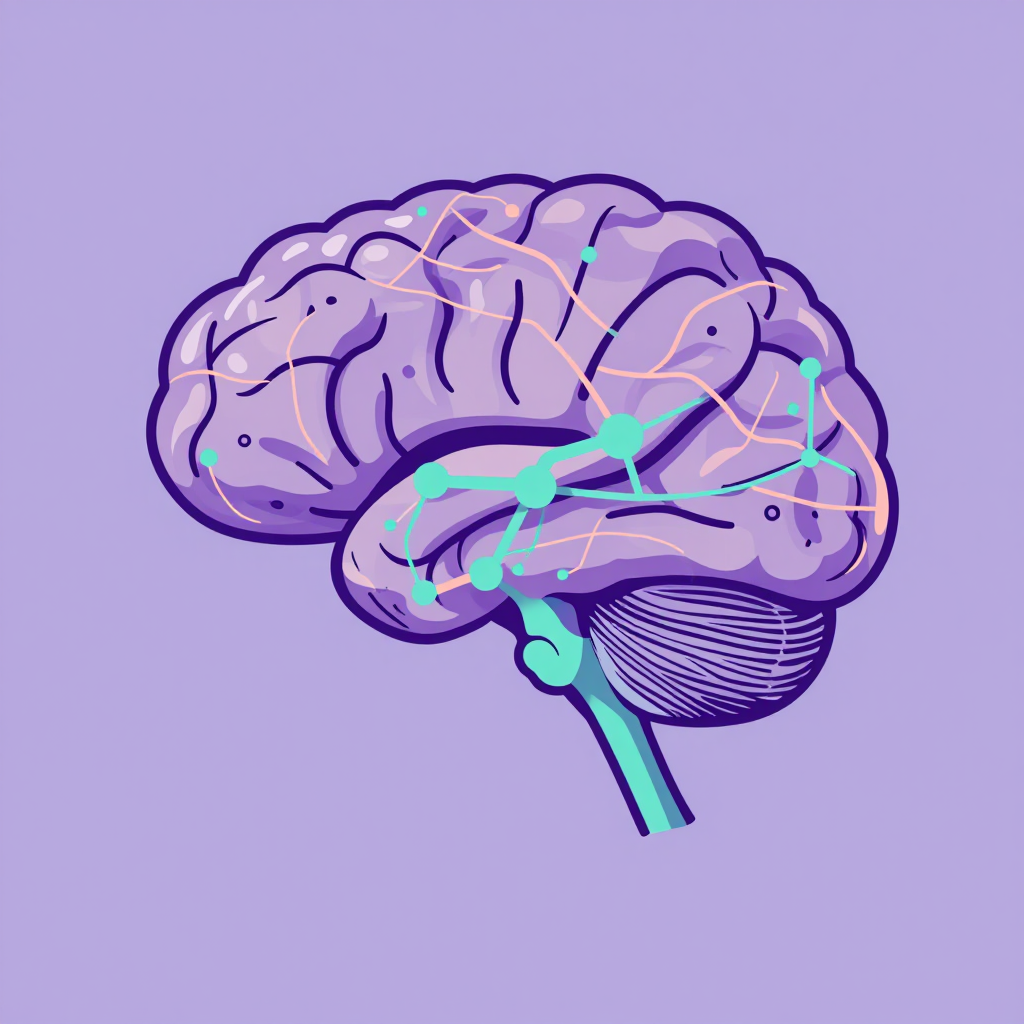
Using Positron Emission Tomography (PET) scanning, they set out to look for a specific marker: SV2A (Synaptic Vesicle Glycoprotein 2A). Think of SV2A as a molecular marker for synaptic density. By tracking SV2A, researchers can see, in real-time, how many active synaptic connections are being utilized.
The team took a group of participants and split them: half got a full night’s sleep, and the other half were forced to stay awake for 28 straight hours. The results were stark. In the sleep-deprived group, there was a measurable, statistically significant elevation of SV2A markers in the hippocampus—your memory center—and the thalamus, which acts as the major relay station for sensory information.
This wasn't pathological overload like you'd see in a seizure; it was a regulated, homeostatic response. These participants were physically accumulating "structural congestion" in their most crucial cognitive hubs. And the kicker? When these sleep-deprived people were finally allowed to nap for two hours, the ones with the highest SV2A levels showed the most intense "slow-wave activity" during their recovery sleep. Their brains were essentially screaming for a cleanup, and their body's sleep pressure mechanism responded with force to clear that backlog.
Why We Evolved to Sleep: Managing Two Niches
The synaptic reset is a profound explanation for how sleep works, but it brings up the "why" question again: Why did we evolve to spend a third of our lives being vulnerable?
The answer lies in the dual-niche theory. Early in our evolutionary history, organisms had to specialize for either the day or the night. Attempting to optimize for both light and dark environments simultaneously would lead to a creature that’s mediocre at everything—not fast enough to catch prey, not stealthy enough to avoid predators.
Sleep, and the underlying circadian rhythm, are not just about rest. They are evolutionary mechanisms that enforce a strict divide. By being asleep, you ensure you don't waste energy being active in a niche where you're not optimized to survive. It's an enforced downtime to ensure you're at your best when the environment actually demands it. This isn't just a human trait; it’s ancient. From simple worms to complex mammals, all nervous systems have adapted to some form of sleep. The predation risk is high, but the evolutionary cost of not cleaning house outweighs it.
Beyond Rest: The Ultimate Daily Reset
If there's one thing to take away, it's that you shouldn't view sleep as downtime. Your brain isn't "off" while you sleep. It’s arguably more active, but it's switched from "data acquisition" mode to "maintenance" mode.
This insight into the Synaptic Homeostasis Hypothesis changes how we view cognitive health. When we don't sleep, we aren't just tired; we are physically carrying around a heavier, less efficient brain. This has huge implications for everything from mental health struggles to the way we might eventually design AI systems to mimic human neural efficiency. We have a clear biological mandate: clear the clutter, prune the paths, and let the brain reset its connections to the baseline.
The evidence is clear. Sleep is not a luxury, or a flaw, or a weakness. It’s hard-coded into our evolutionary DNA to keep our most complex organ from short-circuiting under the weight of its own activity. Next time you think about pulling an all-nighter or cutting your rest short, remember: you’re not just sacrificing tomorrow’s productivity. You’re asking your brain to work on a system that’s already cluttered with yesterday's mess.