
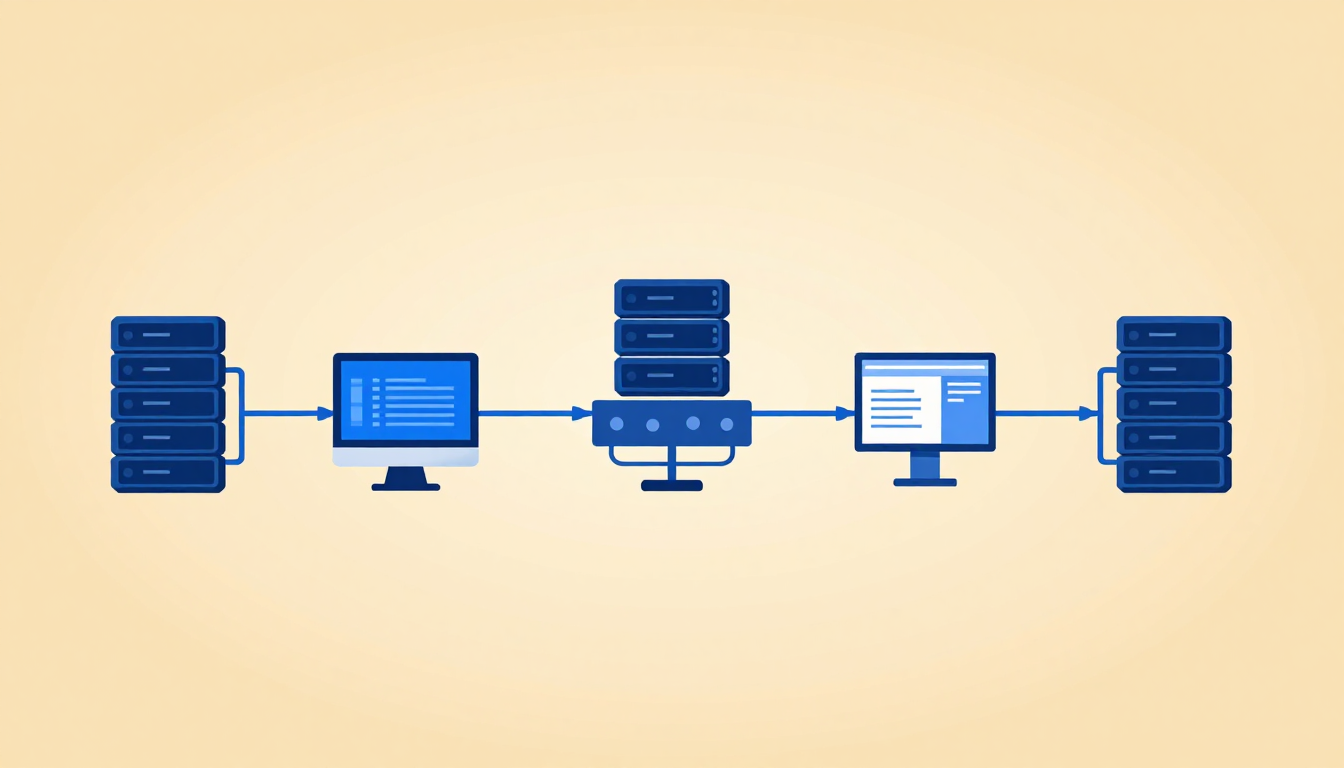
Secure Boot locked Linux out by design
Here's the thing about UEFI Secure Boot: it was never meant for Linux. When Microsoft shipped it with Windows 8, the idea was simple — only code signed by a key the firmware trusts gets to run at boot time. Microsoft's key was in every UEFI database on Earth. Linux distros? Not so much.
So if you bought a Windows 8 machine with Secure Boot enabled — and most came that way — your Linux install would just... not load. The firmware would check the bootloader's signature, find nothing it recognized, and refuse to hand over control. No error message. No warning. Just a black screen while Windows booted fine.
This wasn't an edge case. It was the default behavior. And for years, it meant that Secure Boot on consumer PCs was essentially a Windows-only feature — a walled garden where only Microsoft's signet ring opened the gate.
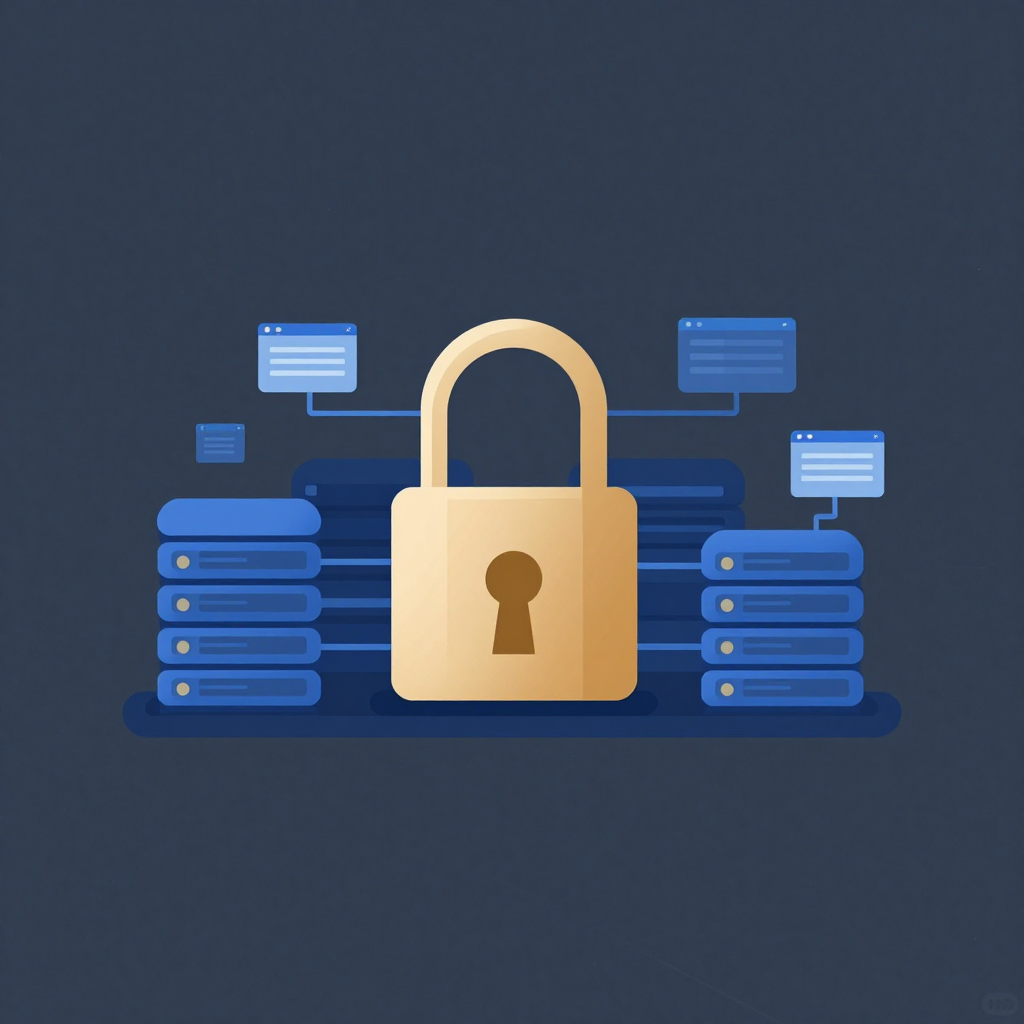
The shim: a two-step trust relay
The fix was elegant in its simplicity. Someone at Red Hat — the shim is maintained as part of the Fedora project, with primary stewardship from Red Hat engineers — realized you didn't need Microsoft to sign every Linux bootloader. You just needed one trusted link in the chain.
Enter shim. It's a tiny bootloader, maybe a few hundred kilobytes, signed with Microsoft's UEFI key. When your firmware loads it, everything checks out — Microsoft trusts the signature, so shim runs.
But here's where it gets clever. Once shim is executing, it doesn't just hand control to GRUB blindly. It verifies GRUB's signature using its own embedded key database — the Machine Owner Key, or MOK. If GRUB checks out, shim passes control. If it doesn't? Boot stops. The whole chain is still cryptographic. You haven't weakened anything.
Think of it like a hotel keycard system. The front desk (Microsoft) gives you a master card (shim). That card opens the elevator, but the elevator only goes to floors you're authorized for (GRUB, verified by MOK). Two layers of trust. Neither alone is enough.
MOK: letting users sign their own code
The Machine Owner Key system is what makes shim actually useful beyond just booting a distro. When you install certain drivers — NVIDIA's proprietary GPU driver, for instance — or load a custom kernel module, you can enroll your own signing key into the MOK database through a process called mokutil.
This is huge. It means that even after your distro's signed chain breaks — say, a kernel update goes wrong and the signed module doesn't match anymore — you can still boot. You enroll a key, sign your own kernel, and shim trusts it because you trust it.
It's a decentralized approach to firmware security. Instead of relying on a single authority (Microsoft) to vouch for every piece of code, MOK lets the machine owner become their own authority. That's not just convenient — it's philosophically aligned with how open-source software is supposed to work.
Why Secure Boot was broken for most of its existence
As recent reporting has documented, Microsoft's implementation of Secure Boot had serious gaps for years — maybe most of its existence. The original key management was a mess. Keys expired without clear renewal paths. Firmware vendors implemented the spec inconsistently, with some accepting any signature and others being overly restrictive.
And here's the uncomfortable truth: Microsoft never signed bootloaders for competing operating systems. Not macOS. Not Chrome OS's crosshouse bootloader. Not BSD. The whole point of Secure Boot was supposed to be security, not platform lock-in — but the effect was the same. If you weren't on Microsoft's approved list, your bootloader didn't run.
This created an entire underground ecosystem of workarounds. Shim was the most successful, but there were others — custom firmware hacks, disabled Secure Boot entirely (which most users did, honestly), and various vendor-specific bypasses that never made it into the spec.
The Ars Technica reporting makes clear that this wasn't a brief growing pain. It was a structural problem that persisted for years, and shim was one of the few solutions that actually worked at scale.
Utility software and the broader shim ecosystem
Shim isn't just for Linux distributions. It's become the common entry point for any utility software that needs to run under Secure Boot — recovery tools, live USB environments, diagnostic bootloaders, even some anti-virus pre-boot scanners.
Before shim, if you wanted to run a recovery environment on a Secure Boot machine, you had two options: disable Secure Boot (scary for non-technical users), or hope the recovery tool happened to be signed by Microsoft (unlikely). Shim solved both problems by providing a single, universally trusted entry point that any utility developer could build against.
This is why you'll find shim packaged not just in distro installers but in tools like SystemRescue, GParted Live, and various enterprise deployment utilities. It's become infrastructure — the kind of thing you don't notice until it's gone.
The shim today: still holding the line
Fast forward to now, and shim is running on virtually every major Linux distribution that supports UEFI Secure Boot. Ubuntu ships it. Fedora ships it. Debian ships it. Even Arch, which otherwise leaves everything to the user, has shim available in its repositories.
And with the June 2026 Secure Boot key expiration that's been making rounds, shim's role is more critical than ever. When Microsoft rotates its platform keys, every distro has to rebuild their shim package. Ubuntu did it. Fedora did it. Debian did it. But users on older machines or niche distros? They're on their own unless they understand what shim is and how to update it.
That's the legacy of shim: it solved a real problem, but it also exposed how fragile the whole Secure Boot ecosystem really is. Microsoft controls one end of the chain. Firmware vendors control the other. Linux distros are stuck in the middle, rebuilding trust bridges every time the keys rotate.
Shim works. It's been working for over a decade. But it's also a reminder that Secure Boot, as originally designed, was never going to work for anyone but Windows — and it took a tiny piece of open-source code to make it functional for the rest of us.