Marcus was at a family party when he laughed. Not just a polite, social smile, but a genuine, radiant laugh—the kind he hadn't managed in months. It was a fleeting, human moment, four seconds purely at a party, until he turned, by instinct, to share it with Vanessa. Vanessa, who had died 15 years prior.
That reflex was the trap. In those four seconds of laughter, he had "forgotten." Not the fact of her death, but the crushing, daily reality of her absence. And the moment he realized he had forgotten, the weight of the loss returned, doubled in its intensity. He felt as though he had abandoned her.
This is the "second loss": the disorienting, painful realization that as your acute grief begins to soften, you are not losing your loved one, but rather, you are losing the immediate, sharp pain that you had unwittingly come to rely on as a connection.
Beyond the Pain: NASA, Space Exploration, and the Landscape of Loss
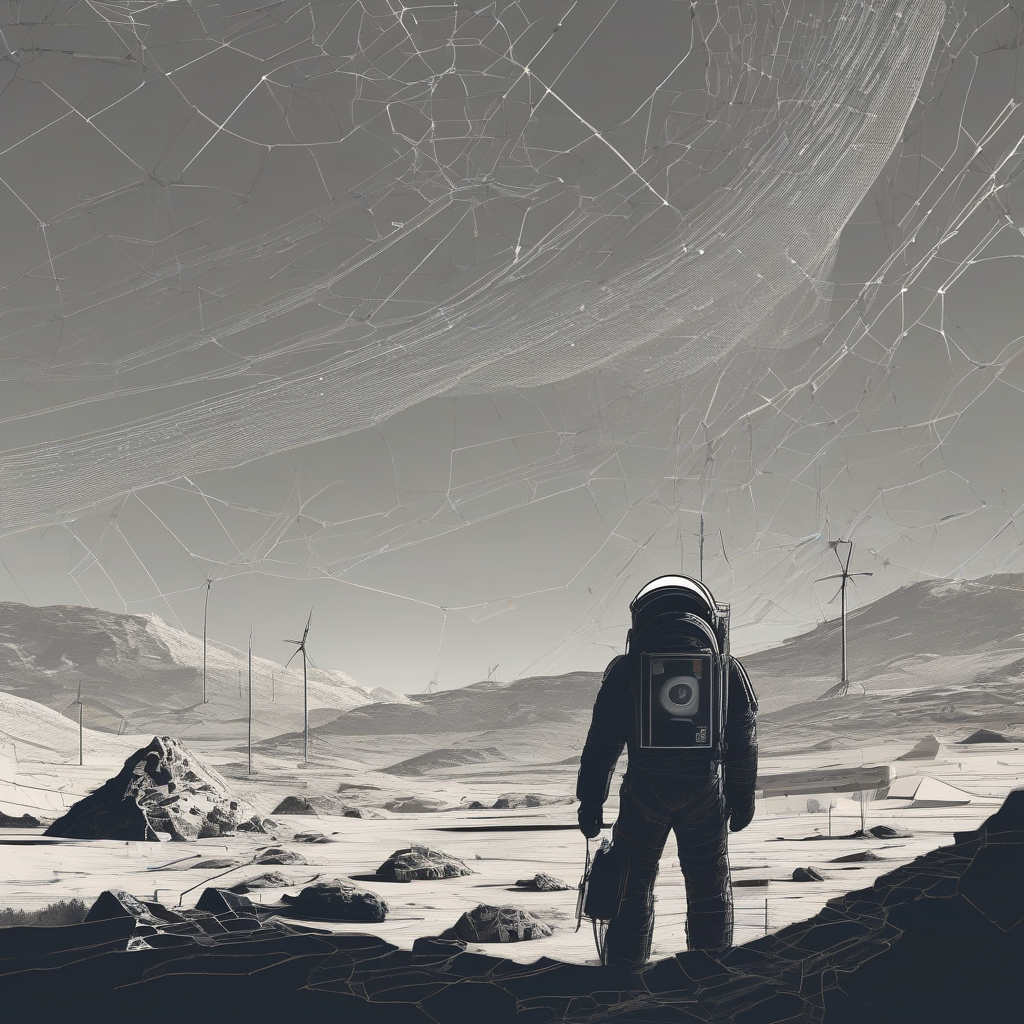
When NASA launches a probe into deep space—a mission often followed by outlets like Space.com—the instruments on board must be intensely calibrated for the environment where they are currently. If the environment changes, and the probe uses its initial, Earth-bound calibration settings, it will eventually fail.
Grief is our own launch into an unknown, drastically different landscape. Initially, our entire self is calibrated for the environment of having that person right there, beside us. When they are gone, recalibrating is not a betrayal of the past. It is the sheer necessity of surviving. We feel, however, that to change, to recalibrate our internal settings to an environment without them, is to leave them behind.
We forget that we are not static objects in space, but complex, evolving beings. Astronomy teaches us that observation itself changes what we see. As our grief evolves, so does the way we observe our memories.
The Museum of the Past
For many, the initial intensity of grief feels like a way to "hold" the departed close. If you are not in pain, you are not grieving. If you are not grieving, you are not loving. This traps the memory of the deceased in what could be called a museum of the past—a static, frozen space where the loved one is seen only through the lens of their loss, their final days, and the agony of their absence.
Much like the in-depth, nuanced storytelling one might find on NPR, our memories of those we've lost aren't static audio files; they are living narratives. When we restrict that narrative to "grief," we deny ourselves the full experience of the relationship we shared. We turn a vibrant human life into a single, monochromatic portrait of absence.
The Reality of the Second Loss
This second loss is a phenomenon where the fading of the sharpest, most debilitating pain feels like another death. You aren't losing the person; you are losing the habitual intensity of your agony.
For Marcus, that first moment of forgetting was a wake-up call to how much he had narrowed his life. He had decided, perhaps subconsciously, that he would not be caught laughing again, because laughter felt like leaving Vanessa in the past. But he eventually realized the opposite was true: holding on to only the pain was what effectively left her trapped in the past.
It is crucial to recognize that this shift is not "moving on" in a way that erases them. It is instead a part of moving toward an integrated life. The Trust Paradox: Reclaiming Authentic Human Connection in the AI Era reminds us that reclaiming the full range of human connection requires trusting our own internal experiences, even when they feel contradictory. Learning to laugh again is not a betrayal. It is a vital signpost.
Expanding Into Full-Color Remembrance
Clinical bereavement research suggests that reconstructing meaning is about integrating the presence of the deceased into your identity, rather than restricting that presence to the immediacy of raw, stabbing pain.
As Marcus learned at a later gathering, when the urge to laugh at a silly remark arose, the pain of the second loss was not absent, but it was different. He did not retreat. He allowed the memory to be both sad and warm. He saw her, as she was alive—covering her mouth, eyes closed, capturing joy before it escaped.
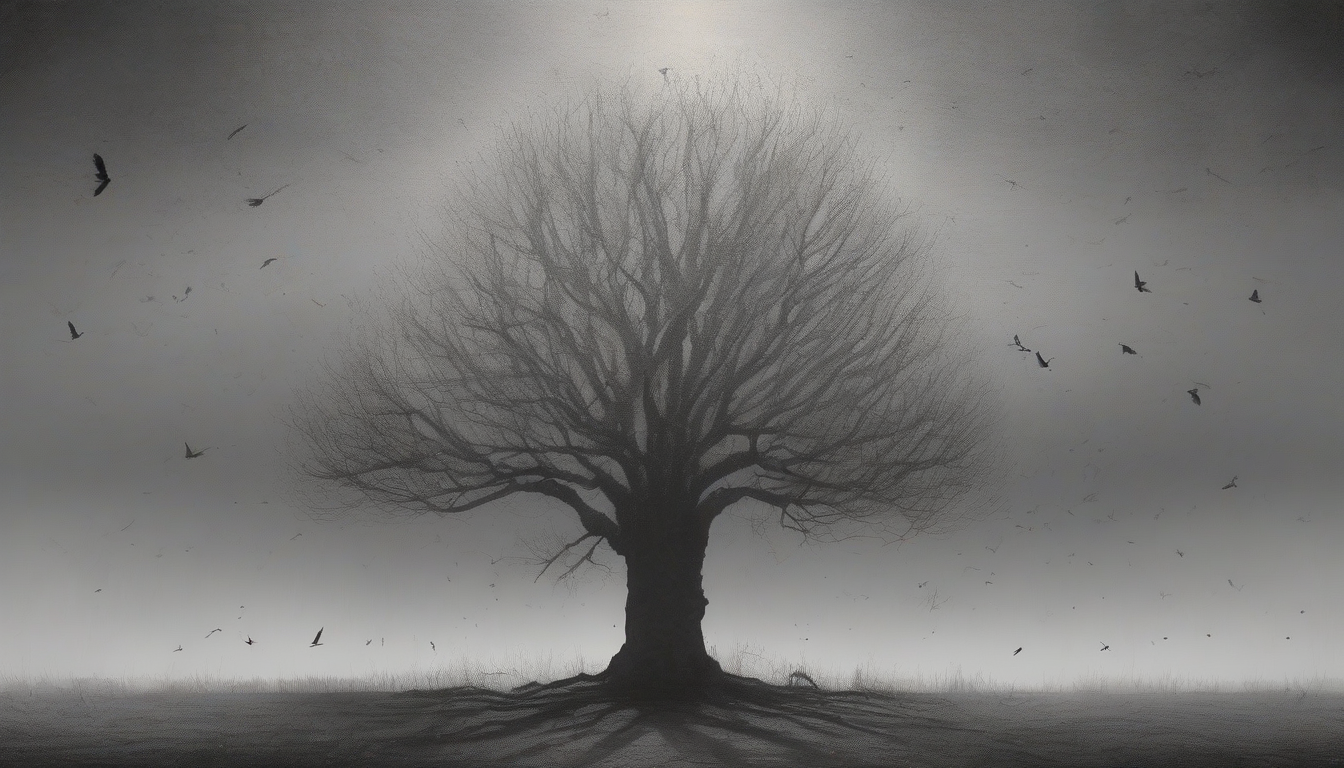
The relationship was no longer defined by the grayscale tones of mourning alone. It had shifted into a full-color remembrance. They had helped shape him while they were alive, and, in a beautiful, painful, complex, and deeply human way, they were finding a new way to shape him now. That is not losing them. That is the beginning of the rest of your life together.
Recalibrating for a New Environment
The process of moving from acute grief to integrated mourning requires what psychologists call "recalibration"—adjusting our internal settings to function in a world that has fundamentally changed. This concept mirrors the challenges faced by The Internal Upgrade: Recalibrating Attention and Value in the Age of Algorithmic Care, where systems must adapt to new parameters without losing their core identity.
Just as NASA probes must maintain their essential function while adapting to new environments, grieving individuals must preserve their love and connection to the deceased while learning to navigate a world without their physical presence. This recalibration is not about forgetting; it is about finding new ways to carry forward the relationship that shaped us.
Finding Support Through Grief
Navigating the "second loss" can feel isolating, but Inclusive Mental Health Services in Portland: Navigating Trauma, Identity-Affirming Care, and Relationship Repair demonstrates that diverse, compassionate support systems can help individuals process complex grief experiences. Whether through professional counseling, support groups, or community resources, finding the right help can make the difference between feeling trapped in grayscale mourning and moving toward full-color remembrance.