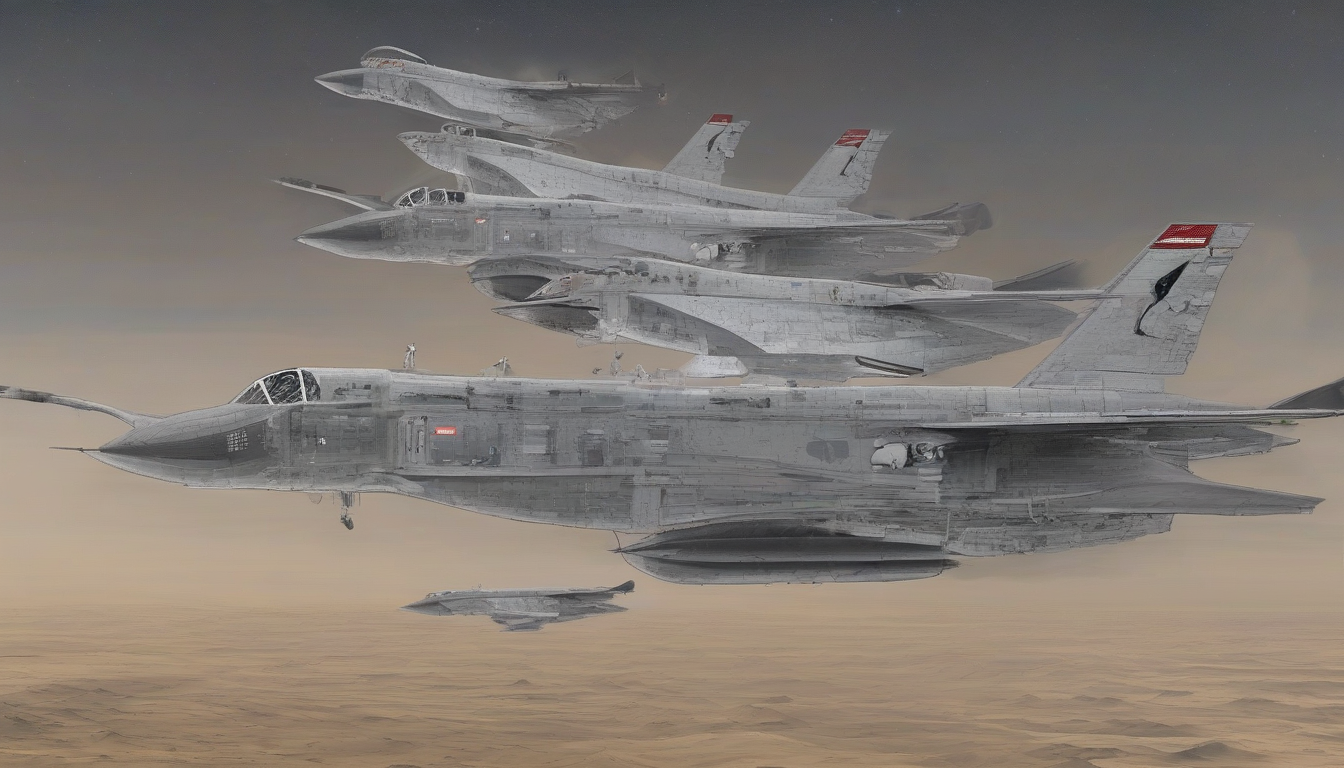
The Al-Tafas Incident: An Escalation Reshaping Regional Security
The events that unfolded at the Al-Tafas airbase in Jordan this past July caught everyone by surprise. When news broke that an Iranian-linked strike had breached a US facility, it wasn't just another headline—it was a shift in the regional reality. Two lives were taken far too soon, and it’s taken time to piece together exactly how it happened.
For those of us tracking security developments, this attack clearly shows a new level of aggression. We've seen warnings for years that drone and missile technology wouldn't stay in the hands of major powers forever. This strike, carried out with a combination of ballistic missiles and drones, wasn't some minor, accidental skirmish. It was deliberate.
The attack occurred in the middle of a joint military exercise. We aren't just looking at a standoff; we’re looking at a direct hit on a partnership. Jordan’s own armed forces did what they could, intercepting about ten missiles before they could strike, but the sheer volume of this barrage made it difficult to shield everyone.
Investigating the Impact of the Iranian Attack
Getting the facts right matters, especially when misinformation moves faster than the reality on the ground. We know that two US service members are gone. Families are dealing with that unimaginable loss, while CENTCOM and other agencies continue to work through the investigation.
Some reports early on were understandably frantic, leading to suggestions of 17 casualties, but the evidence currently available points to that number capturing a much larger timeframe or unrelated incidents. We need to be careful with these figures. When you’re dealing with the loss of military personnel, there’s no room for guessing.
We also have personnel who were wounded, and for a short time, there was a report of a missing person. It’s that fog of war—the confusion, the incomplete data—that defines these moments of crisis. Iranian involvement here isn't a secret, but the specific tactical choices they made, targeting a coordinated exercise, have changed the way regional planners have to look at the security of their own bases.
Monitoring Threats: Space.com: NASA, Space Exploration and Astronomy News Perspectives
It’s strange to think about how this kind of ground-based conflict changes our focus on the skies, but it’s inevitable. You’ve likely heard it from sources like Space.com: when we discuss the state of aerospace technology, we aren't just talking about rockets and satellites. We’re talking about the eyes in the sky that give us early warning.
Today, real-time intelligence is our only protection against these sorts of threats. The ability to monitor missile launches, track the trajectory of incoming drones, and alert bases in time to take cover depends entirely on the robust aerospace networks we’ve built out over decades. When a strike hits, it immediately brings to mind how critical these astronomical and satellite communication tools actually are.
Without the data provided by these orbital systems, a strike like the one on Al-Tafas could have been far worse. It wasn't just a military failure; it was a test of the aerospace security architecture that keeps troops safe across the region. When we look at the news—whether it's on Space.com, NPR, or through our own military briefs—the focus on technology is often centered on exploration, but today, that same tech is the front line. The same systems meant to reach for the stars are currently guarding the people behind the fences in Jordan. For more on how laser links are critical to future orbital infrastructure, see our coverage in Clearing the Orbital Bottleneck.
Looking Forward: Regional Stability After the Strike
What happens now? That’s the question everyone from the Pentagon to the families of those affected is asking. You don’t get a strike like this without a response, but the form that response takes—and whether it leads to further escalation or a cooling-off period—is completely up in the air.
The Al-Tafas incident is not in a vacuum. It follows a string of similar actions against facilities in Kuwait and other areas. This is a pattern. It’s part of a concerted effort to test the boundaries of what’s considered safe for US personnel. Watching this, you have to wonder if these regional bases, once considered secure, need a brand-new approach to defense.
The tragedy of the lost lives is the central point here. It’s the part that can’t be fixed or smoothed over. But as the investigation moves forward, we’ll learn more about the tactical failures and the successes, and the lessons learned will shape future regional strategy. Keep your eyes on the official reports—not the flash headlines that change every hour—as the actual count and the definitive tactical timeline become clear. The security of the region hinges on getting those details exactly right.