Space Exploration and Astronomy
When we think about space exploration, we often focus on the massive rockets, the fiery launches, and the distant, awe-inspiring destinations. But beneath the surface of all that hardware is a quiet, ongoing revolution: the battle for the brain that controls it all. For decades, robotic exploration in space has relied on robust, thoroughly tested, but ultimately limited "space-hardened" compute platforms. These systems were built for reliability first, and adaptability second.
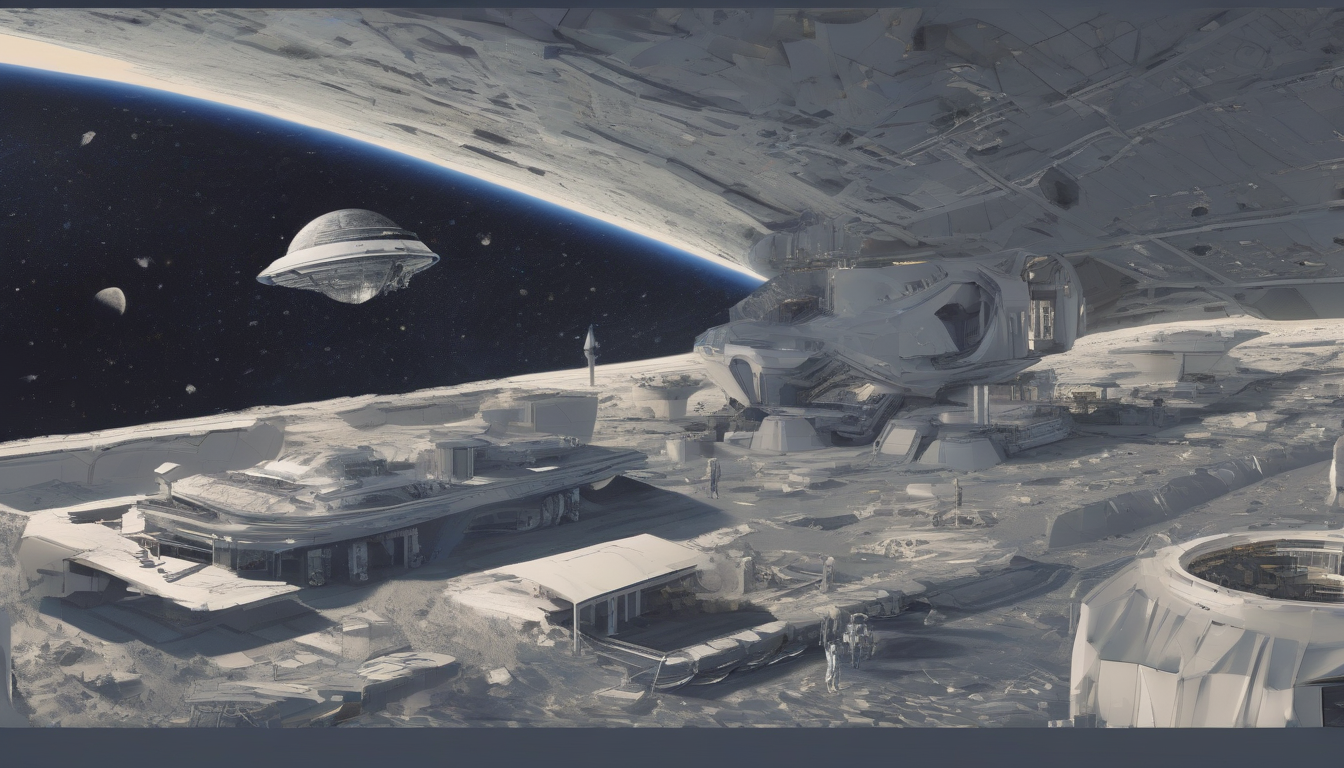
Today, as we prepare for a return to the lunar surface and a future that involves not just visiting, but staying, those legacy systems are being challenged. We're witnessing a pivotal debate in the aerospace sector: can we take the same high-performance GPU-based edge computing that powers autonomous machines on Earth, like those from Nvidia's Jetson family, and make them survive the harsh realities of the Moon?
Bridging the Gap: Taking Earth-Bound AI to the Moon
The challenge isn't just about speed; it's about shifting the paradigm of how space vehicles handle mission-critical autonomy. Traditionally, engineers have leaned heavily on deterministic code—algorithms that follow strict, pre-programmed 'if-then' paths. If X obstacle appears, turn Y degrees. This is safe, predictable, and historically essential.
But as our missions move from orbital reconnaissance to surface operations in complex terrain, we need more. We're seeing a shift toward incorporating "Physical AI"—systems that can understand and react, not just follow a rigid script. According to industry reports, companies like Lunar Outpost are actively comparing traditional flight compute platforms with modern Nvidia Jetson GPU modules to gauge energy efficiency, compute density, and environmental adaptability in real-world space scenarios. The goal is to hybridize these stacks, blending deterministic safety with the adaptive power of AI to handle unpredictable environments on the lunar surface.
Why Traditional Flight Hardware is Reaching its Limits
If you're asking why we can't just stick with what worked for the Apollo era or even the early modern rover era, the answer is simple: scalability. Legacy spaceflight compute—the hardware that has earned its stripes in decades of missions—is incredibly reliable. It's built to withstand the punishing environment of space. However, these systems often lack the raw processing power needed for intensive tasks like real-time local lidar processing, autonomous obstacle avoidance, and deep-learning-based navigation.
When your platform needs to handle multiple sensors concurrently, it requires more than just reliability; it requires throughput. Modern robotics in challenging, unfamiliar terrains demand the ability to process visual and spatial data locally and instantly. They can't afford the latency involved in waiting for instructions from a ground crew or even a central orbital relay. The compute density offered by modular systems—such as the Nvidia Jetson AGX Orin, which delivers up to 275 TOPS (trillions of operations per second) of AI compute—presents a radically different capability set for edge robotics than what our traditional systems have offered to date.
The Challenge of the Lunar Surface
Operating GPUs in space is a entirely different beast than running them in a climate-controlled data center in, say, Northern Virginia. The lunar environment is, frankly, brutal. Unlike Low Earth Orbit (LEO), which offers a degree of protection from the Earth's magnetic field, the lunar surface is directly exposed to intense cosmic radiation. Furthermore, the thermal environment is punishing, with extreme temperature swings as the Moon transitions through its phases.
Payload hardware must be designed to endure the unrelenting lunar night, often while operating on excruciatingly minimal power budgets. This is the biggest hurdle for high-performance GPUs: compute-per-watt. To successfully deploy an autonomous workforce to the Moon, as part of missions targeting areas like Reiner Gamma, engineers have to optimize that compute density without overheating the spacecraft or draining its precious solar-charged batteries.
Empowering the Future: Lunar Outpost and Artemis 2028
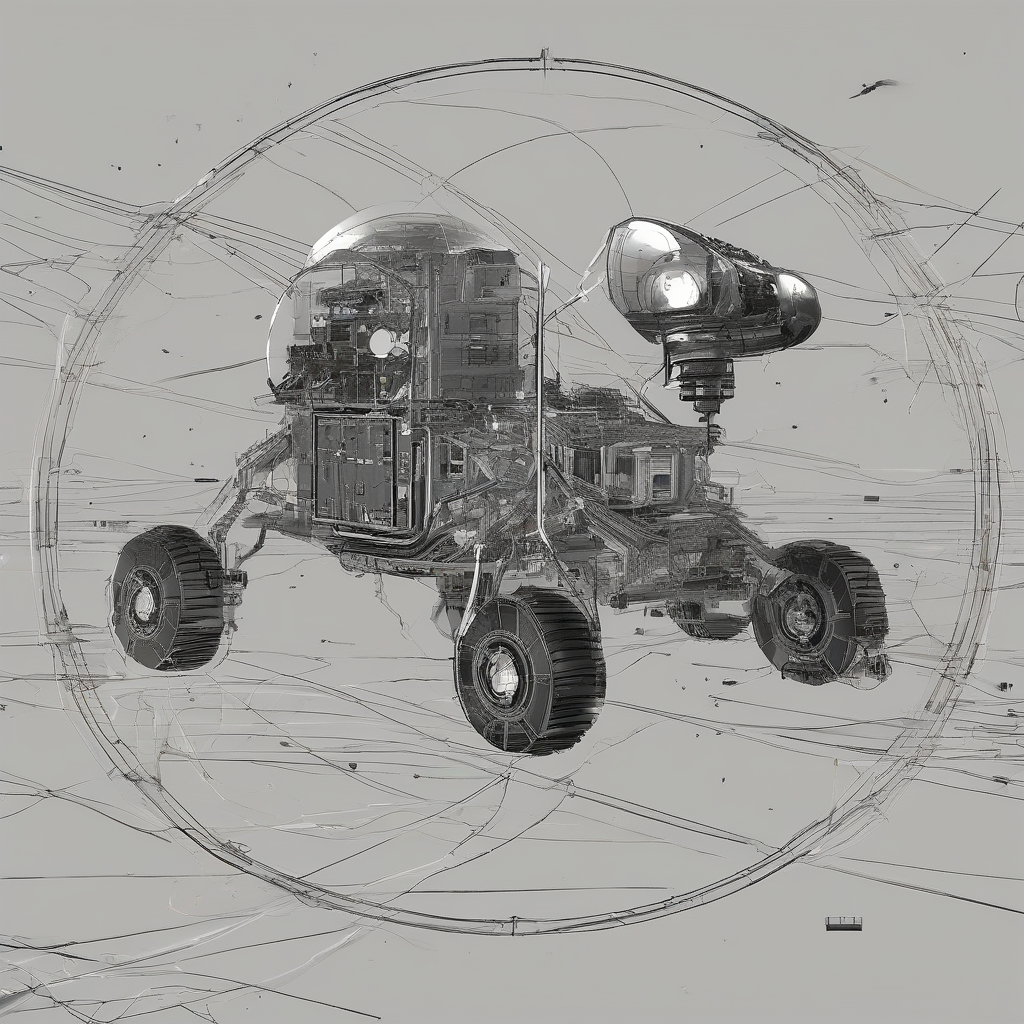
The implications of this shift are massive for the upcoming Artemis era. Unpacking NASA's Artemis Pivot: The Cost of Stalled Hardware highlights the pivotal challenges, and Lunar Outpost's MAPP rover platform, which is slated to be delivered via Intuitive Machines' lander on a SpaceX Falcon 9, is a prime example of this new focus. These rovers aren't just for exploration; they're designed to build the foundational infrastructure required for human permanence.
It's not just about rovers on the ground, either. Partnerships are forming across the industry to integrate these technologies into broader networks. Nvidia, for instance, has collaborated with Firefly Aerospace to deploy Jetson-powered platforms on satellites orbiting the Moon, designed to process imagery and help track surface robotics. This creates a multi-layered, autonomous, and interconnected network of assets—both in orbit and on the surface—that scientists and mission control can rely on to pave the way for human explorers.
A New Era of Autonomous Robotics
The vision of building a sustained human presence on the Moon—an outpost that can grow and thrive—relies heavily on our ability to deploy a robotic workforce that can handle the heavy lifting while minimizing the risk to human lives.
By utilizing the combination of deterministic models and the adaptability of Physical AI, engineers are crafting a future where robotic systems can handle the complexity of lunar navigation, sensor processing, and site development autonomously. We aren't quite at the point where these machines are fully independent, but the integration of powerful edge-compute platforms is bridging that gap.
As we look toward the 2028 timelines and beyond, the success of these trials—comparing Jetson chips to heritage hardware—will dictate the speed at which we can move from simple, fleeting exploration to building a permanent infrastructure on the most difficult testing ground humanity has ever tackled. It’s an incredibly exciting time, and it’s being driven by the simple, powerful idea that to live on the moon, we need to think on the moon.
This article draws on information regarding Lunar Outpost's rover development and its adoption of edge AI compute, as well as publicly available technical specifications for the Nvidia Jetson platform.