
Agent Sprawl and Shadow AI
Articles on the uncontrolled proliferation of AI agents across organizations — including discovery challenges, ownership gaps, and the rise of shadow AI in development and business units.
AI Cybersecurity Governance and the Rise of Agentic Insider Threats
Katie Moussouris and Luta Security on agentic AI insider threats and enterprise cybersecurity governance.

The Agent Inflation Problem: Why Companies Are Racing to Rein In Their AI Workers
AI agents adoption widespread among businesses; corporate users racing to avoid issues from having too many agents

Shadow AI Agents: Enterprise Security Blind Spots and AI Cybersecurity Governance Challenges
An analysis of how shadow AI agents are proliferating across enterprise platforms without IT or security oversight, the associated risks, and emerging discovery/governance approaches.

AI Code Sprawl: How Security Leaders are Taming 'Vibe Coding' Risks
As AI enables faster, more accessible code creation, security leaders face a new visibility crisis. We explore how CISOs at Datadog, Jamf, and ASOS are pivoting from gatekeepers to enablers to manage the ungoverned spread of 'vibe coding'.

Enterprise AI Agents Outpace Governance as 86% of GPUs Sit Underutilized, Survey Finds
A VentureBeat Research survey of 573 enterprise leaders reveals a critical gap: AI agent deployment is accelerating while governance controls lag behind, and 86% of enterprise GPUs are running at half capacity or less—raising questions about both ROI and operational readiness.

AI Cybersecurity Governance: Why Agentic AI Demands a New Foundation
Agentic AI doesn't follow policies — it follows goals. Learn how AI governance replaces threat detection with trust, intent, and boundary design to secure autonomous agents.

Agents as Identities: The IAM Gap Every Enterprise Is Ignoring
AI agents are quietly becoming privileged insiders in enterprise systems — yet most security teams have no inventory, governance model, or least-privilege controls for them. An opinion piece by Todd Thiemann (principal analyst, Omdia) on TechTarget provides one of the clearest frameworks for understanding identity security for AI agents, while a 2026 survey finds 82% of organizations have discovered AI agents created without security's knowledge, and 54% have already suffered agent-related security incidents. The identity layer that IAM teams spent a decade building was designed for humans and service accounts, not autonomous agents that create, use, and rotate credentials at machine speed.

When Your AI Assistant Refuses to Help You Commit a Crime, Should It?
George Hotz argues AI should be loyal to its user — even if that means helping plan murder. The AI safety community says no. Here's why this debate matters for everyone.
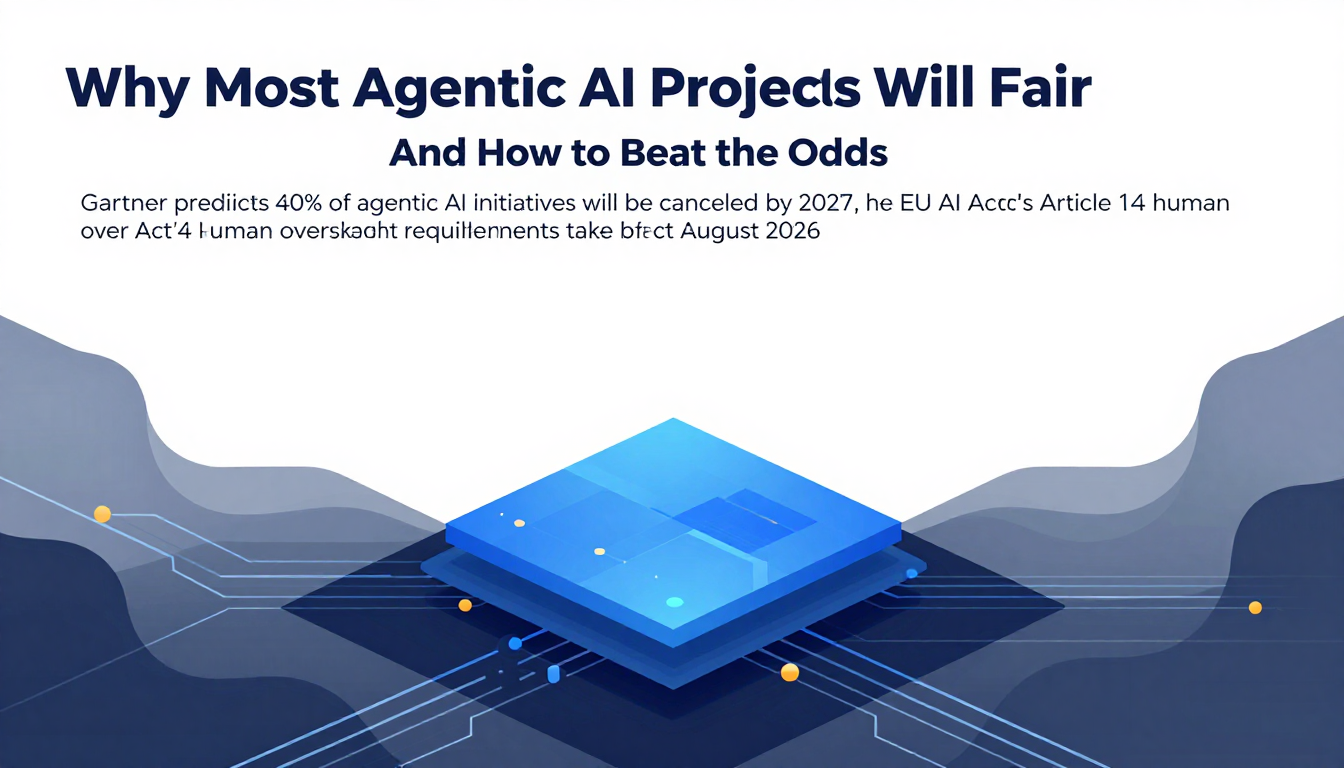
Why Most Agentic AI Projects Will Fail — And How to Beat the Odds
Gartner predicts 40% of agentic AI initiatives will be canceled by 2027, while the EU AI Act's Article 14 human oversight requirements take effect August 2026. This article examines the three critical infrastructure layers—identity, observability, and cost optimization—that determine whether agentic AI deployments survive or stall.
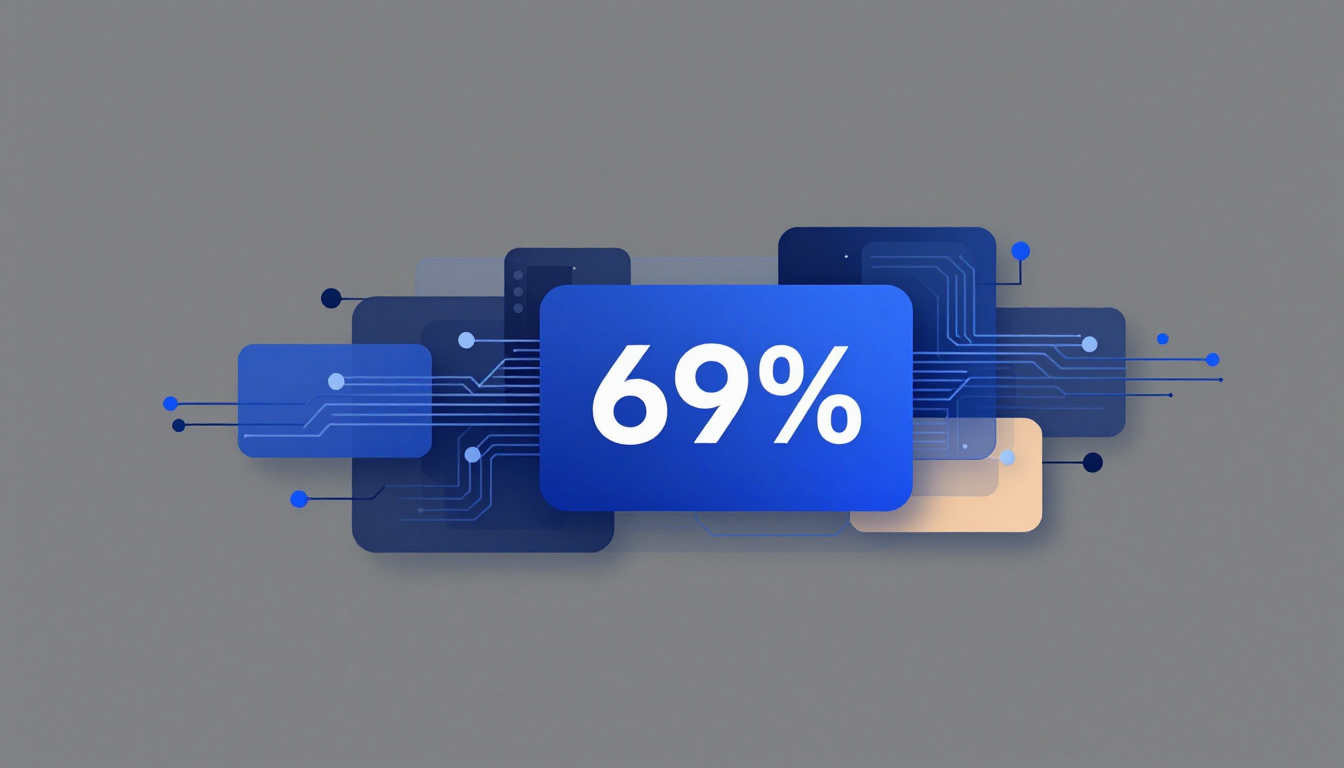
One Key to Rule Them All: The Danger of Shared Credentials in Enterprise AI Fleets
New survey data reveals that 69% of enterprises use shared credentials across their autonomous AI agent systems. This architectural shortcut creates a massive security flaw, enabling a single compromised agent to grant access to the entire fleet.

Cloudflare’s September 15 AI Crawler Switch: Why Your Search Visibility Could Vanish Overnight
Cloudflare's new bot classification splits AI crawlers into Search, Agent, and Training—but starting Sept. 15, blocking training may also block Googlebot, Applebot, and Bingbot. Here's how your dashboard settings will silently limit organic traffic unless you act first. Includes analysis of Cloudflare's Pay Per Use model and partnerships with Ceramic.ai and You.com to compensate publishers.

Sakana AI's Data Consent Pledge: What It Means for Enterprise AI Adoption
Sakana AI commits to not using customer data or inputs for model training or fine-tuning unless clients provide explicit opt-in consent, establishing a responsible AI data governance policy.