
Agentic AI Infrastructure
Articles on cloud, infrastructure, and compute patterns for agentic AI systems, including scale-out architectures, inference networks, and system-level constraints.
Beyond Patch Counts: Inside Visa’s Open-Source AI Bug-Hunting Pipeline and the MTTA Metric
Rajat Taneja details how Visa used Anthropic's Mythos to hunt payment network vulnerabilities, open-sourced its 11-stage agentic harness, and introduced Mean Time to Adapt.
Stateless Scaling and Managed Identity: Inside MCP's 2026 Architectural Overhaul
An SRE analysis of the July 2026 Model Context Protocol update, covering its shift to stateless load balancing, mandatory OAuth issuer validation, and 12-month enterprise deprecation policy.
At Disrupt 2026, Fusion and Grid Tech Take Center Stage
How commercial fusion breakthroughs, grid modernization, and data center energy expansion are converging at TechCrunch Disrupt 2026's Smart Systems Stage to solve AI's power bottleneck.

Mozilla's Firefox Experiment: Why Developers Should Brace for a Faster Release Cadence
Mozilla plans to move Firefox Desktop and Android from a 4-week to a 2-week release cadence starting in September 2026, while keeping ESR releases on an annual schedule, alongside a rundown of new features in Firefox 153.
Why Synthflow AI Earning Pioneering Status on the CMP Voicebot Prism Matters
An analysis of Synthflow AI's top-tier ranking in Customer Management Practice's July 2026 Voicebot and Conversational IVR Prism benchmark.

Silicon Reckoning: Hyperscalers Are Rewriting Compute for the Age of Efficiency
Rising energy constraints and skyrocketing AI demand are forcing a major architectural shift toward efficiency-first, custom silicon. We look at the move to custom Arm-based processors by hyperscalers, the rise of agentic architectures, and the opportunity for AI cloud infrastructure companies in India.
Agentic AI Is Here. The Question Is: Who's Actually Using It?
This article explores agentic AI—the next evolution where autonomous software agents employ AI to complete tasks on behalf of users. We examine the underlying infrastructure, protocol landscape, and real-world use cases from vendors entering this space.

Kimi K3 and the Open-Weight Rebellion Against Silicon Valley's AI Monopoly
How Moonshot AI's Kimi K3 release triggered a regulatory firestorm, exposing the economic fragility of Silicon Valley's proprietary AI business model and reshaping global AI policy debates.
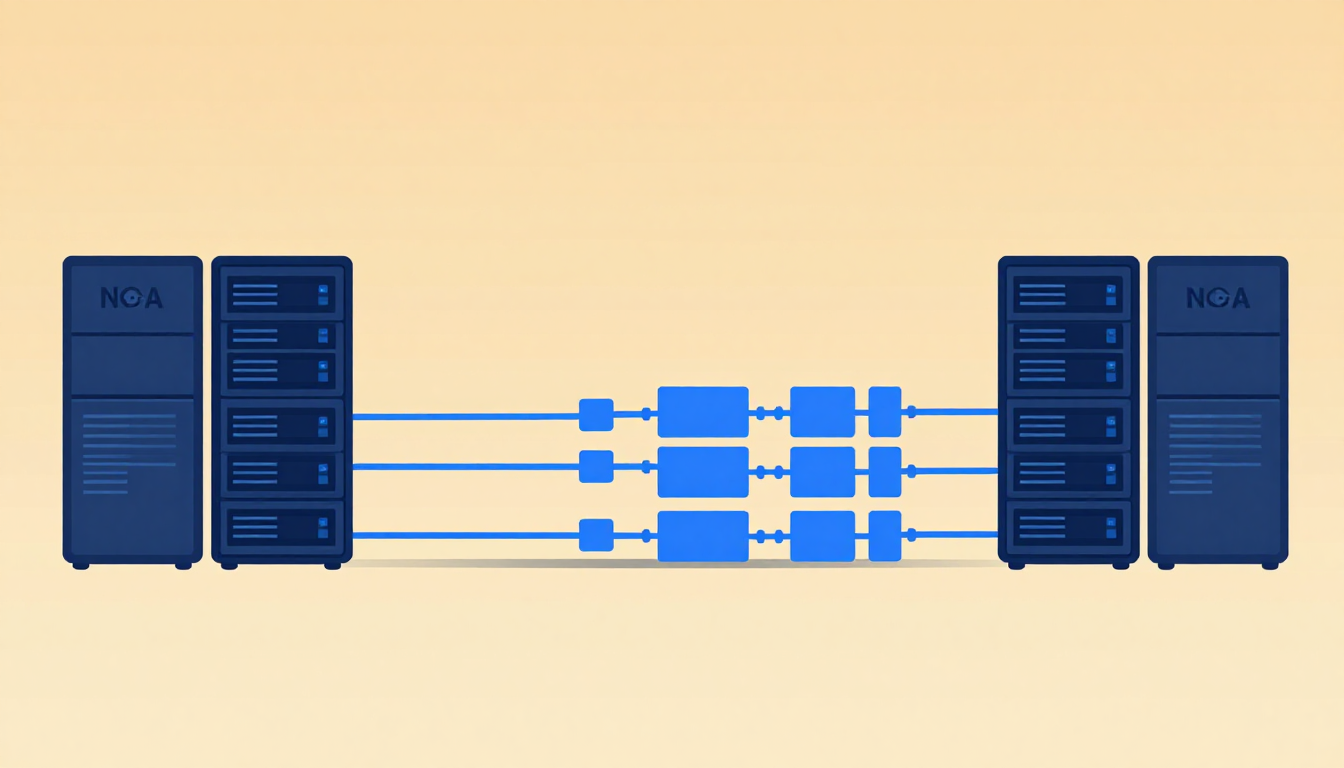
Why NOAA Abandoned On-Prem Supercomputers for Google Cloud and DeepMind Weather Models
NOAA is retiring its twin HPE Cray supercomputers to run operational weather forecasting on Google Cloud and DeepMind AI tools. Here is how the transition works.
Crossing the Datacenter Divide: Uptime Institute’s 2026 Benchmarks on Density and Outage Costs
An in-depth analysis of Uptime Institute's 2026 Global Data Center Survey, examining the historical shift to off-premises corporate IT, rising rack power densities, rising outage costs, and severe engineering talent shortages.
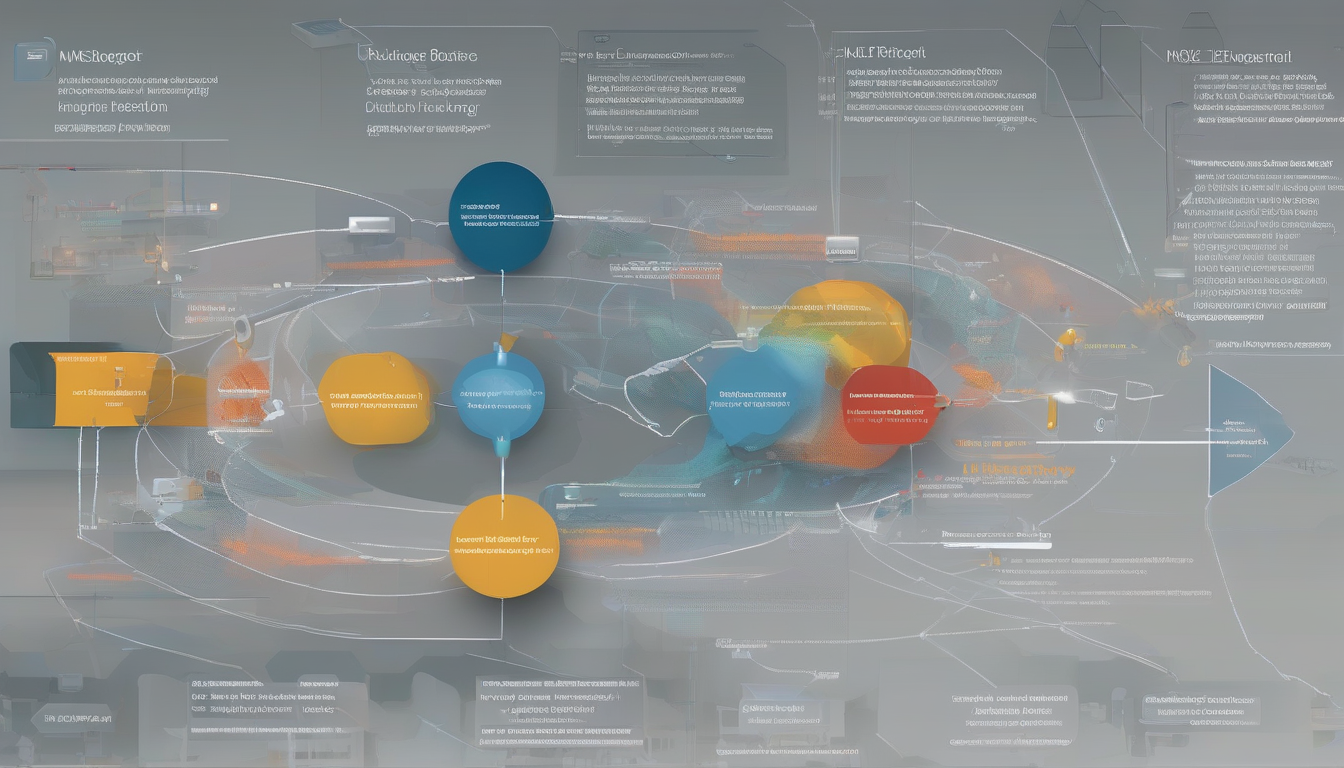
Moving Beyond Passive Retrieval: The MRAgent Approach to Memory Reconstruction
Overview of the MRAgent framework developed by researchers at the National University of Singapore (NUS), which optimizes LLM agent memory retrieval through interactive, multi-step reconstruction, significantly reducing token consumption compared to existing solutions like LangMem.
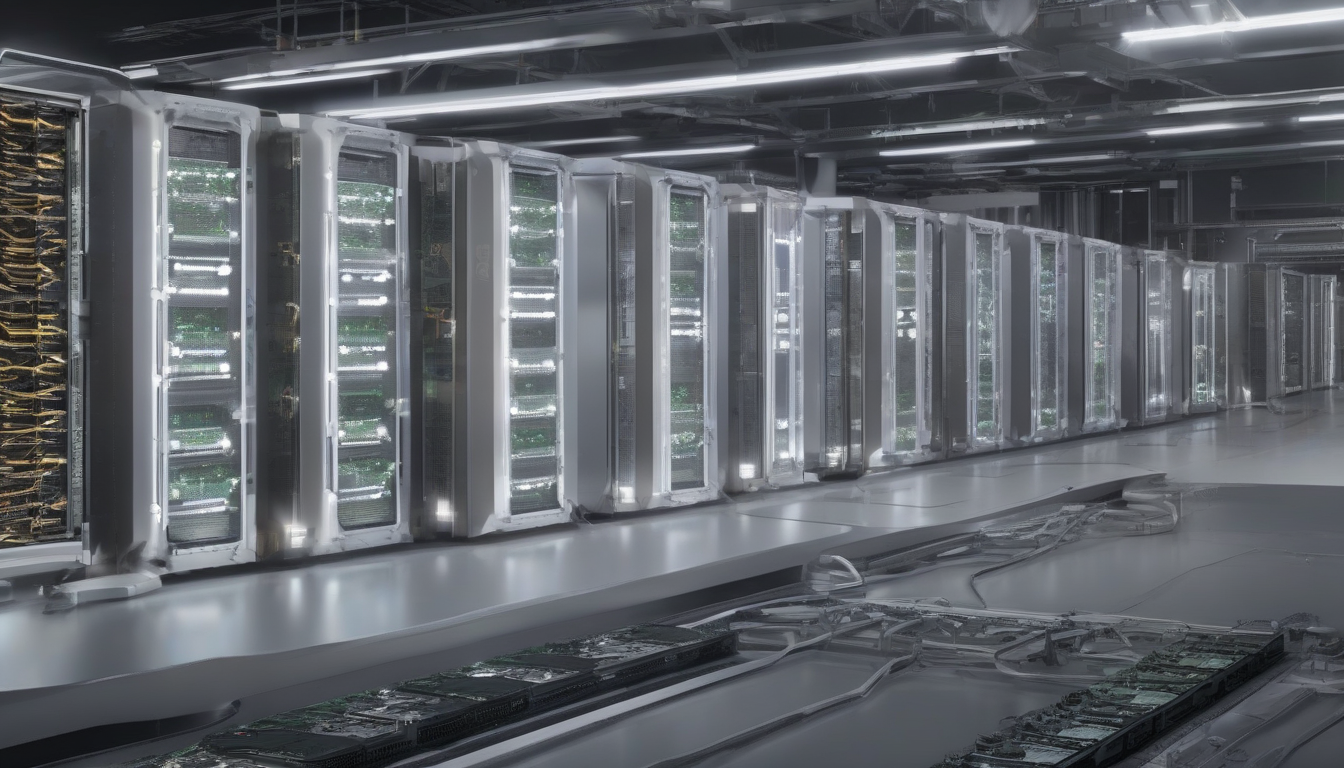
AMD Helios Challenges Nvidia: Implications for AI Cloud Infrastructure Companies in India
AMD's new Helios rack-scale system ships later in 2026 to challenge Nvidia's AI hardware dominance. Here is how gigawatt-scale compute impacts cloud architectures, agentic workloads, and global datacenters.