
Your Brain Is Quietly Ruining Your Immune System
Here's something that should keep you up at night: your immune system isn't just weakening under stress. It's actually aging. Prematurely. And a new study published in Cell Stem Cell has mapped the exact biological highway that connects your anxious thoughts to deteriorating blood-forming stem cells deep inside your bones.
The chain is brutal in its simplicity. Chronic stress shuts down two specific brain regions. That shutdown disrupts signals to your gut, wiping out a keystone bacterium called Lactobacillus reuteri. Without that bug, your body stops producing spermidine — a molecule essential for cellular housekeeping. Your hematopoietic stem cells, the master cells responsible for generating every white blood cell you'll ever make, begin accumulating toxic damage and age far faster than they should.
This isn't correlation. It's a causal axis, demonstrated across four different mouse models of chronic stress by researchers at Sun Yat-sen University in Guangzhou, China. The work is rigorous, the mechanism is clear, and it reframes everything we thought we knew about how psychological stress physically rewires the body.
As senior author Meng Zhao puts it: "Our research shows how stress-responsive brain regions regulate the balance of the intestinal microbiota, which ultimately affects the function of hematopoietic stem cells." Translation: your gut bacteria are taking orders from your brain, and when those orders go wrong, your immune system pays the price.
The Two Brain Regions That Pull the Strings
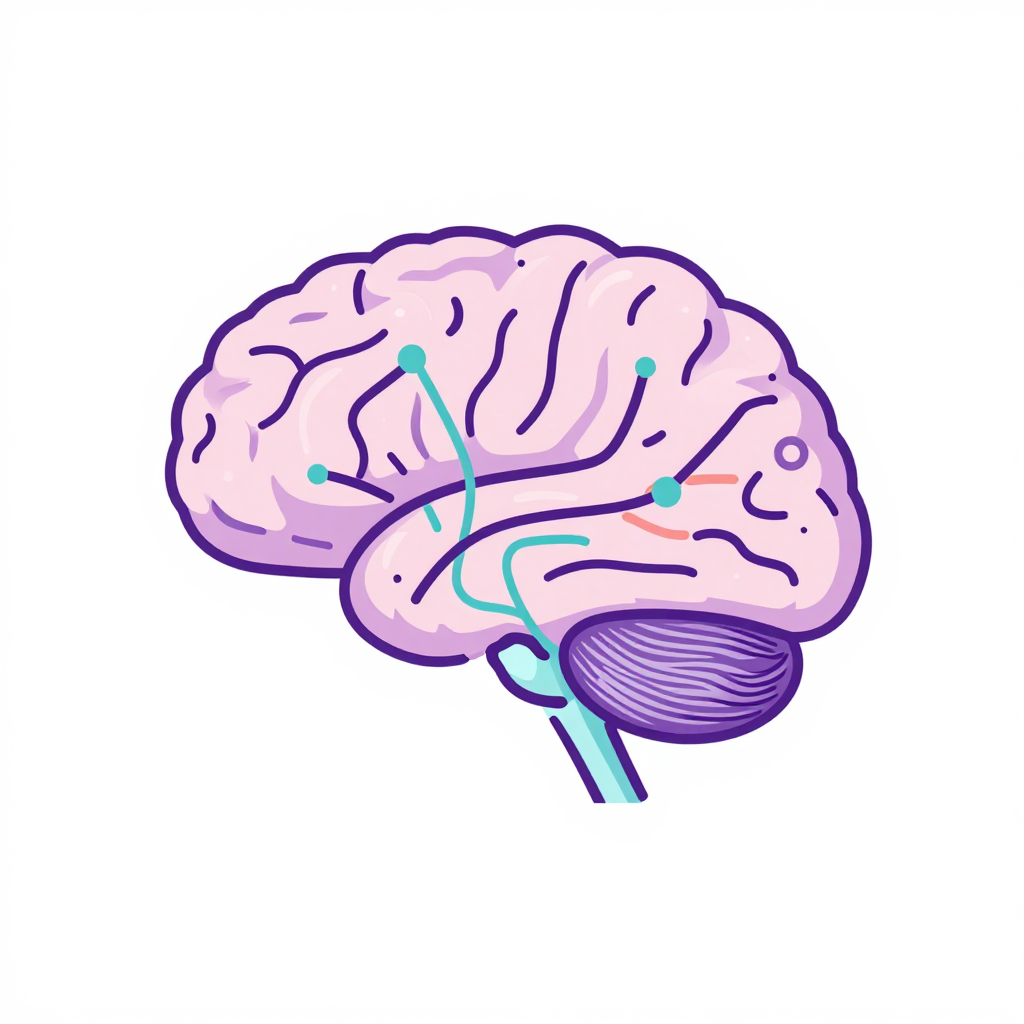
The medial prefrontal cortex and the periaqueductal gray aren't exactly household names, but they're doing heavy lifting in your stress response. The mPFC governs executive control and emotional coping — it's the part of your brain that helps you regulate fear, plan ahead, and not spiral. The PAG processes threat responses, essentially acting as your brain's alarm system for survival-level danger.
What the researchers found was striking. When they monitored neural activity across four distinct chronic-stress mouse models, both regions showed a marked reduction in activity. Not an increase — a decrease. Stress didn't light up these areas; it silenced them. And that silencing was the trigger for everything that followed downstream.
But here's where the study gets genuinely surprising. The team artificially suppressed only these two brain regions — no psychological stressor, no restraint, no social defeat. Just targeted neural shutdown. And it was fully sufficient to replicate the exact same gut collapse and bone marrow defects seen under total psychological stress.
"One surprising finding of our study was that suppression of only two specific brain regions was sufficient to produce many of the hematopoietic defects caused by psychological stress," says co-corresponding author Linjia Jiang. That's a powerful statement. It means you don't need the full weight of existential dread to trigger this cascade. You just need these two circuits to go dark.
How the Gut Takes the Hit
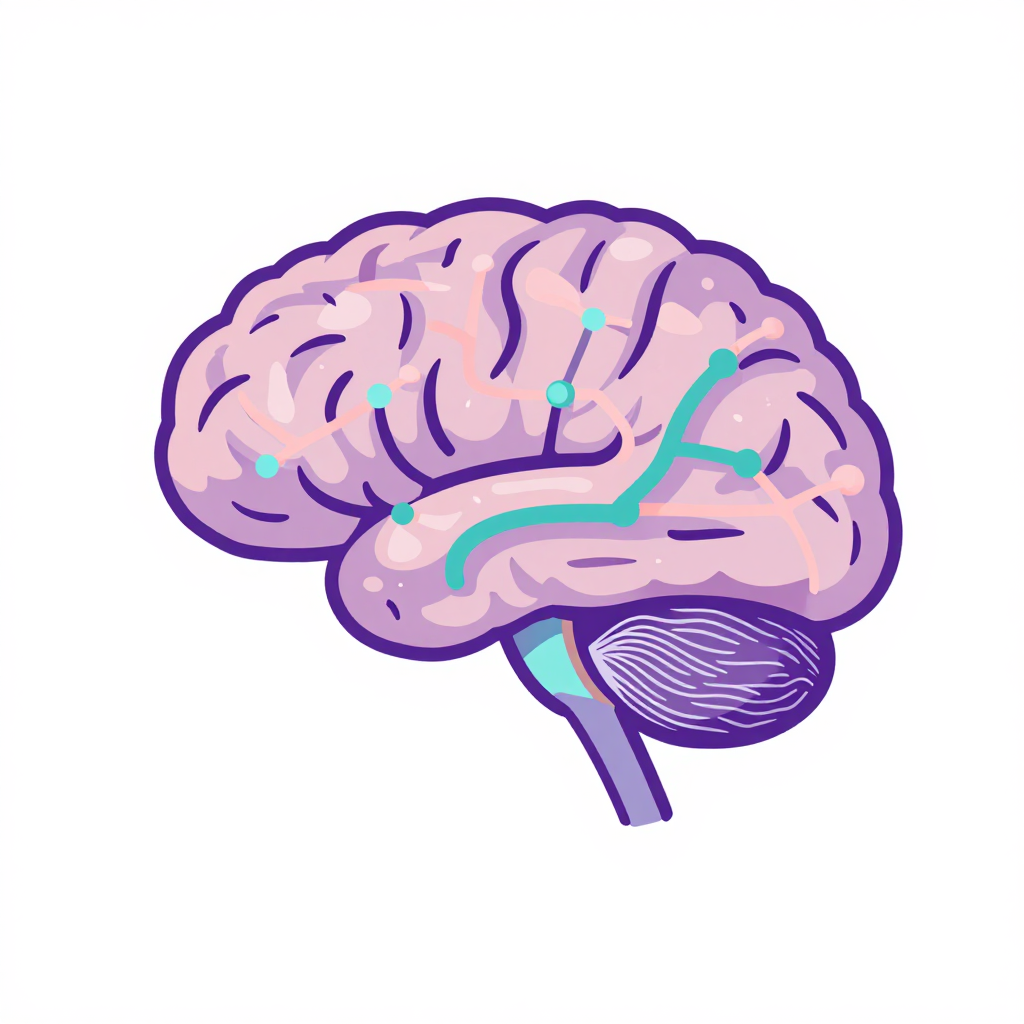
Once those brain regions go quiet, autonomic signaling to the digestive tract gets disrupted — specifically through the sympathetic nervous system. Think of it as a phone line going dead between your brain and your intestines. The message that used to say "maintain a healthy microbiome" simply stops arriving.
The consequence is catastrophic for one particular bacterial species: Lactobacillus reuteri. This organism is a keystone player in maintaining intestinal balance, and stressed mice experienced what the researchers describe as a "catastrophic loss" of it. Not a gradual decline. A crash.
The mechanism here involves intestinal mucin levels, which also dropped significantly under the same conditions. Mucin is the protective mucus layer lining your gut — without it, the environment becomes hostile to beneficial bacteria. L. reuteri can't survive in that degraded landscape, and once it's gone, the downstream effects cascade rapidly.
This isn't just about digestion. The gut microbiome is a metabolic organ, and L. reuteri produces spermidine — a naturally occurring compound that acts as a vital maintenance signal for cells throughout the body. No bacteria, no spermidine. The connection between your brain's stress response and your cellular recycling system is now a direct line.
When Stem Cells Start to Age
Spermidine is essentially the cell's trash-disposal system. It triggers autophagy — the process by which cells clear out damaged proteins, dysfunctional organelles, and toxic debris. Without adequate spermidine, that cleanup machinery grinds to a halt.
In hematopoietic stem cells — the precious master cells in your bone marrow that produce all blood and immune cells — this failure is devastating. Deprived of spermidine, HSCs accumulate mitochondrial peroxidative stress and ferroptotic damage. Their mitochondria, the energy-producing powerhouses, begin to fail. Toxic byproducts pile up. The cells lose their ability to self-renew and differentiate into lymphocytes, the white blood cells that fight infection.
The result is a steep decline in HSC numbers and a severe reduction in lymphocyte production. The immune system ages — not slowly, over decades, but rapidly, compressed into a timeframe that mirrors what would normally take years. The researchers call it an "aging-like phenotype," and the data supports that characterization across multiple molecular markers.
"Alternations in the gut microbiota and in the microbial metabolite spermidine played a crucial role in mediating communication between the brain and the bone marrow," Jiang notes. This is the missing link that previous studies couldn't explain: how do stress signals travel from the brain all the way to the bone marrow? The answer is through a sympathetic pathway that regulates intestinal microbiota and spermidine metabolism.
What This Means for Treatment
The therapeutic implications are genuinely exciting, even if human translation is still years away. The researchers outline three concrete intervention strategies:
Targeted brain stimulation. If suppressing the mPFC and PAG causes immune damage, activating them should reverse it. The study actually demonstrated this — chemogenetic activation of these regions restored HSC function in stressed mice. Non-invasive brain stimulation techniques are already being explored for depression and PTSD, so this pathway could potentially be hijacked for immune protection.
Custom probiotics. Replenishing Lactobacillus reuteri specifically — not just any probiotic, but this particular species — could restore spermidine production and break the cascade at the gut level. The researchers are actively mapping out this approach.
Spermidine supplementation. Directly supplementing the molecule bypasses the gut entirely. If spermidine is the critical signal that keeps HSCs young, delivering it pharmacologically could shield stressed or elderly individuals from immune aging regardless of what's happening in their brain or gut.
"Although substantial work is needed before clinical translation, these findings provide a conceptual framework for developing new approaches to mitigate immune aging and stress-associated immune dysfunction," Zhao says.
Jiang adds something worth sitting with: "More broadly, our findings raise the possibility that managing psychological stress may not only improve mental well-being but also help preserve immune function and promote healthy aging."
That's not a throwaway line. It's a statement that stress management isn't just about feeling better — it's literally preserving the cells that keep your immune system functional for decades to come. The brain-gut-bone axis is real, it's causal, and it's now on the map.