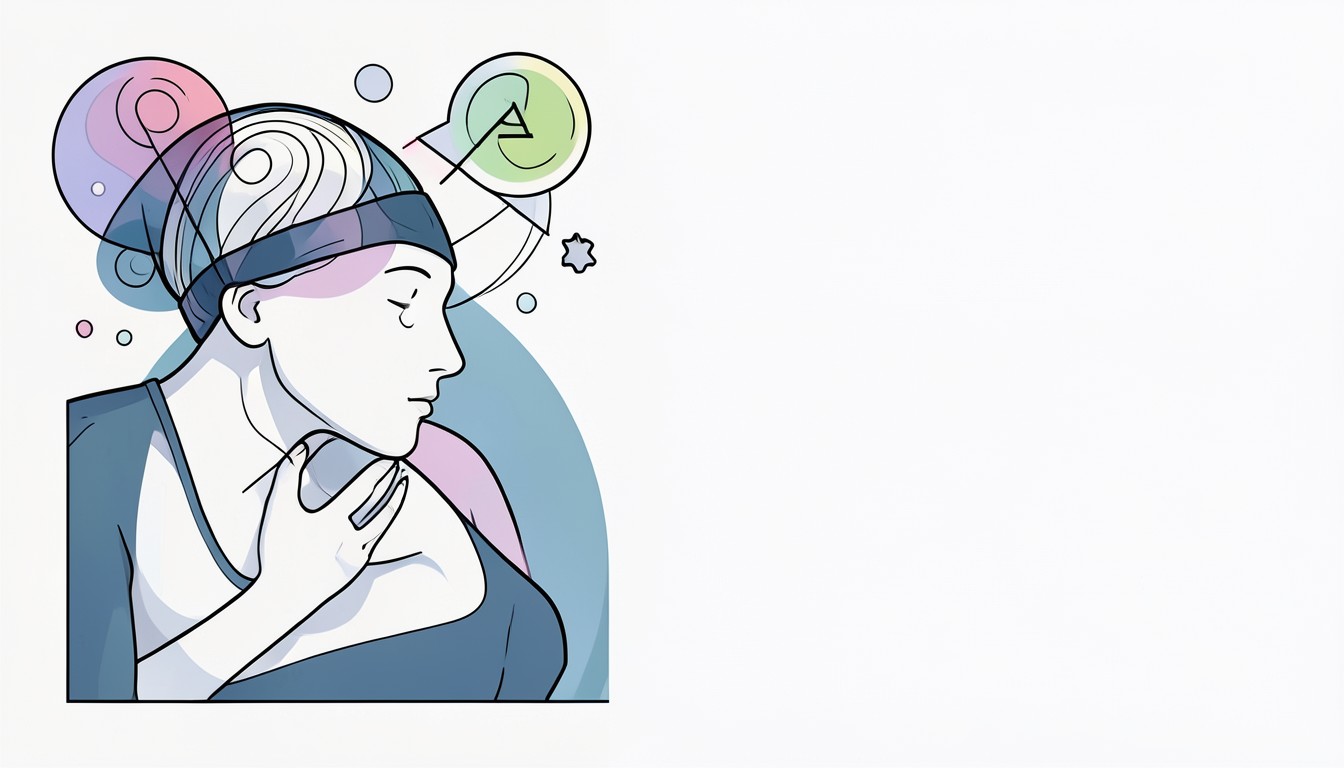
We used to think the cerebellum was just a biological metronome—a quiet calculator keeping our physical movements balanced and coordinated while the cerebral cortex did all the heavy philosophical lifting. But recent neuroscience is rewriting that story completely. New research shows that the cerebellum is deeply involved in driving human motivation through a precise, two-part dopamine mechanism. When we look at how the brain anticipates rewards and reinforces habits, we open a fascinating window into artificial intelligence, computational modeling, and human behavior.
What Is AI in Psychology and How Does It Connect to Motor Learning?
To understand what is ai in psychology, we have to look past simple chatbots and examine how artificial intelligence models human learning, decision-making, and motivation. In computational psychology and cognitive science, AI acts as both a mirror and a testing ground. Machine learning algorithms—particularly reinforcement learning systems—rely on predictive loops, error correction, and reward maximization to adapt over time.
Strikingly, these artificial architectures mirror biological systems like the cerebellum. For decades, computer scientists borrowed reinforcement learning principles from animal and human behavioral psychology. Today, neuroscientists are returning the favor, using computational models to decode how neural circuits process dopamine. When researchers ask whether algorithms can model human behavior, they are really asking whether biological reward systems operate on computational principles. As explored in research on The AI Impact on Human Psychology, the overlap between machine learning and cerebellar function is profound.
Can AI Understand Human Psychology Through Dopamine?
A central question in modern cognitive science is whether artificial intelligence can truly understand human psychology. While large language models excel at processing language and recognizing conversational patterns, understanding deep psychological drivers, like motivation, grit, and habit formation, requires grasping how biological wetware processes dopamine and neural feedback.
The cerebellum does not manufacture dopamine on its own; instead, it receives dopaminergic signals from areas like the ventral tegmental area. Recent animal and human studies demonstrate that cerebellar circuits use these dopamine inputs to evaluate timing, predict upcoming rewards, and reinforce successful actions. When we examine whether AI can understand human psychology, we find that artificial models can simulate the statistical outcomes of these dopamine loops, but they lack the lived, embodied physical stakes that drive biological motivation. Artificial intelligence can compute reward prediction errors in silicon, but it never feels the visceral physical satisfaction of a completed workout or the bodily anticipation of a hard-won goal. It is the same gap examined from another angle in our look at whether AI can understand human psychology in the world of dating apps: algorithms can model patterns of attraction, yet the felt experience stays on the human side of the screen. For a related perspective on how language models are used to analyze decision-making, see LLMs and Behavioral Mathematics Scale Analysis of Human Decision-Making Texts.
The Two Pathways of Cerebellar Motivation
New research highlights how the cerebellum drives motivation through two distinct, dopamine-dependent pathways. Rather than relying solely on conscious willpower, our brains depend on automatic subcortical machinery to keep us moving forward.
1. Reward Anticipation
The first pathway involves anticipating rewards before they happen. In experimental settings, researchers observed that cerebellar granule-cell activity adapts directly to the expected timing of a reward. Your brain is not just reacting to pleasure when it arrives; it is actively tracking time and building an internal timeline of expectation. This anticipatory framework allows you to prepare physically and mentally for what comes next, turning abstract goals into concrete temporal structures.
2. Reinforcement Learning
The second pathway is reinforcement. Once an action is completed, the cerebellum uses feedback signals, facilitated by climbing fibers and dopamine modulation, to reinforce the behavioral pattern. Human research shows that cerebellar reinforcement-learning signals are acutely sensitive to short delays between actions and feedback. If the reward arrives too late, the neural connection weakens. If it arrives immediately, the loop closes and the behavior becomes hardwired into automatic routines.
Harnessing the Anticipation-Reinforcement Loop
We cannot consciously fire cerebellar granule cells or force a dopamine release using pure willpower alone. However, we can borrow the structural architecture of these neural pathways to build lasting habits and sustain motivation in our daily lives.
First, create a predictable anticipation window. If you want to establish a challenging routine, such as going to the gym regularly, establish a repeatable sequence. Give your brain a reliable temporal structure where the preliminary action clearly predicts what comes next. Your conscious brain acts as the architect, setting up environmental cues so your automatic cerebellar system can take over without requiring constant negotiation.
Second, close the loop with an immediate reward. Because cerebellar reinforcement depends on minimal delays between action and feedback, you need to give yourself something genuinely enjoyable during or immediately after the behavior. Whether it is a favorite podcast reserved exclusively for your workout or a refreshing post-activity treat, immediate reinforcement triggers the hedonic feedback loop that makes motivated behavior deeply satisfying.
Finally, let repetition do the heavy lifting. By consciously maintaining these structured loops over time, you transition effortful tasks into automatic habits. The cerebellum thrives on repetition, gradually turning complex sequences into second nature so your conscious mind is free to focus on new challenges and creative pursuits. And because motivation is inseparable from how we manage the emotions around it, this work pairs naturally with the metacognitive strategies in our guide to how metacognition helps us manage emotions and protect resilience.