
AI & Decision-Making Psychology
Articles on cognitive biases, emotional regulation, and psychological frameworks for improving human decision-making under uncertainty, including REBT, heuristics, and paralysis interventions.

How Our Minds Rewrite Choices After They Happen
Yale study shows conscious choice can be constructed after action, with subconscious perception shaping remembered decisions.

LIP Prefers Interpreting Images Over Planning Eye Movements
University of Chicago study shows PPC, especially LIP, causally drives visual decisions by evaluating stimuli rather than planning eye movements. Reversible inactivation impairs sensory judgments while sparing motor execution.
The Label That Ends the Conversation: AI Impact on Human Psychology and the Weaponization of Labels
How labels like "quack" or "conspiracy theorist" end debates before evidence is heard. From Nazi propaganda to AI impact on human psychology, this article explores the weaponization of labels and their consequences.
The Paradox of Connection: Why Constant Digital Contact Doesn't Replace Sitting Together
Understanding the difference between constant digital connection and genuine presence in human relationships, drawing on psychological research about loneliness, empathy, and the importance of authentic togetherness.
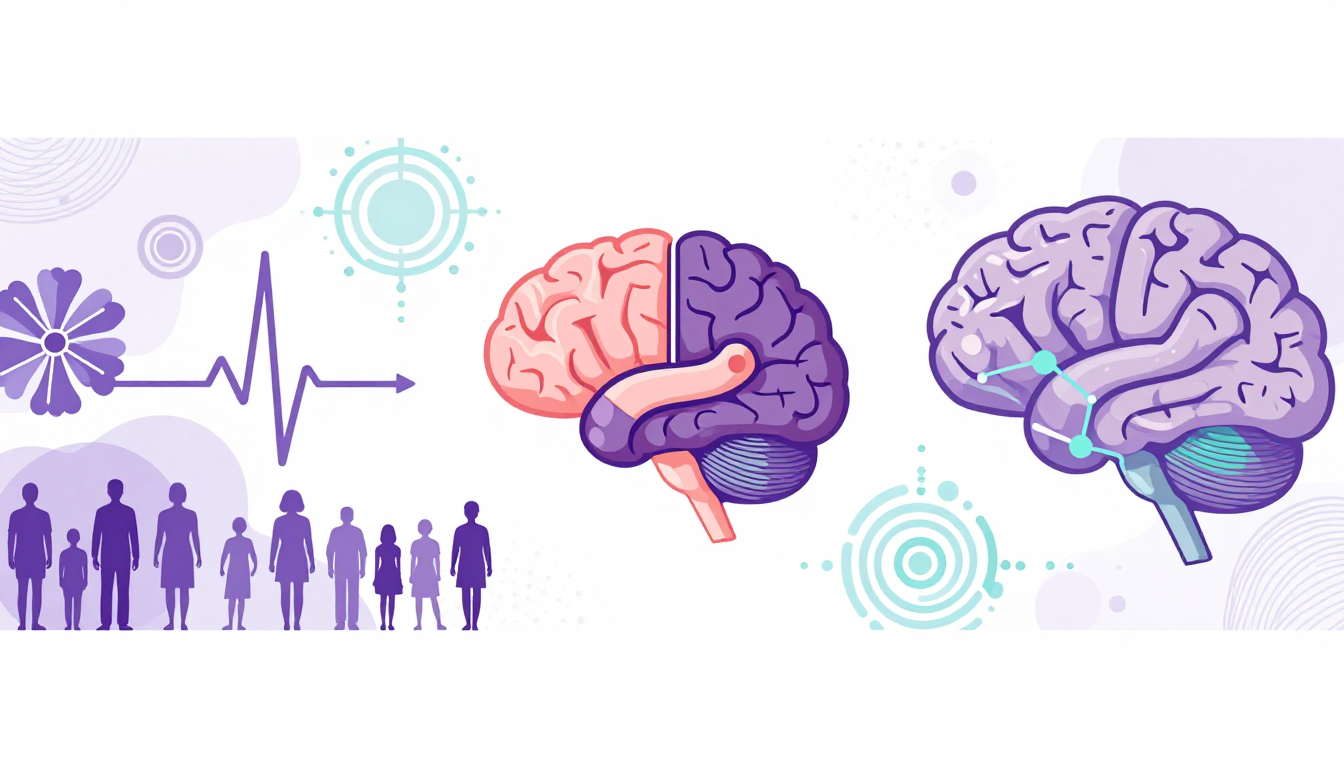
Heartbeats in Harmony: How Proximity and Attention Forge Biological Connection
A real-world study of 72 students reveals that heart rate synchrony emerges as a biomarker of social engagement when people share physical space, joint attention, and social familiarity—yet collapses under cognitive load from noisy environments.
Cognitive Shortcut or Illusion? How Instant AI Responses Feed Overconfidence Bias
AI provides rapid, articulate responses that make us feel like experts. But this ease of access can breed a dangerous overconfidence. Drawing on behavioral psychology and Kahneman's cognitive bias research, we explore why our brains trust AI too easily and how to maintain healthy skepticism.
Beyond the Paralysis: Using the Three-Minute Exercise to Master Decisions
Overcome decision-making anxiety by identifying the irrational beliefs driving your hesitation. Learn a powerful, evidence-based exercise using the ABCDE model of Rational Emotive Behavior Therapy to break the cycle of overthinking.