
Mental Health
Therapy, wellbeing, burnout and psychiatric care.
Why Stress Isn't What You Think It Is: How Perception, Resources, and Appraisal Shape Your Experience
Stress doesn't originate in events—it emerges from how you interpret them, what resources you believe you have, and whether you feel capable of meeting demands. Grounded in Lazarus & Folkman's cognitive appraisal theory and validated by neuroscience, this article reveals why two people in the same situation experience stress differently—and how to reclaim control.
Beyond the Algorithm: Assessing the Role of AI in Mental Healthcare
A critical assessment of the role of AI in mental health, weighing the convenience of chatbots against the indispensable depth of human clinical care.
Note-taking by Hand Fosters Better Learning and Is an Important Physical Therapy to Nurture for a Lifetime of Aging Dexterity
Handwritten notes force deeper semantic processing, activate broader brain networks than typing, and serve as essential physical therapy to preserve fine motor skills and neural health through aging—what the EEG and fMRI data actually show.
Agency First: A Framework for Human Wellness in the Age of Algorithms
A new wellness framework—holistic hybrid health—argues that true well-being begins with inner awareness (aspirations, emotions, bodily signals) and is shaped from the outside in by technology, environment, and institutions. The piece introduces 'double literacy' (human + algorithmic), treats agency as a public-health priority, and links personal wellness to planetary health.
Rewriting the Narrative of Trauma: How Re-Storying Unlocks Hidden Resilience
Discover how narrative therapy's concept of "re-storying" can transform your relationship with difficult experiences, revealing resilience that was always present but overlooked.
Immersive Biofeedback: Real-Time Visual Feedback Turns Stress Management into a Visible Skill
Combining real-time physiological data with virtual reality transforms stress management from a guessing game into an intuitive, visual training tool.
Beyond 'Fun and Games': The Therapeutic Power of Gamified Counseling
Why integrating games into therapy sessions with children and teens is a powerful, evidence-based tool for increasing engagement, fostering emotional exploration, and building essential social-emotional skills.
The Hidden Cost of Being in a Hurry: How Stress Blinds You to What's Right There
Even mild stress can warp your perception — making you miss stunning beauty, misread social cues, and jump to wrong conclusions. Here's what the science says about why stress distorts reality and how to reclaim your attention.
When Algorithms Pretend to Care: The Limits of AI in Therapy
AI chatbots are increasingly used for mental health support, but research reveals fundamental gaps: they cannot provide the co-regulation that heals trauma, systematically violate ethical standards, and risk replacing irreplaceable human connection—especially for vulnerable adolescents.
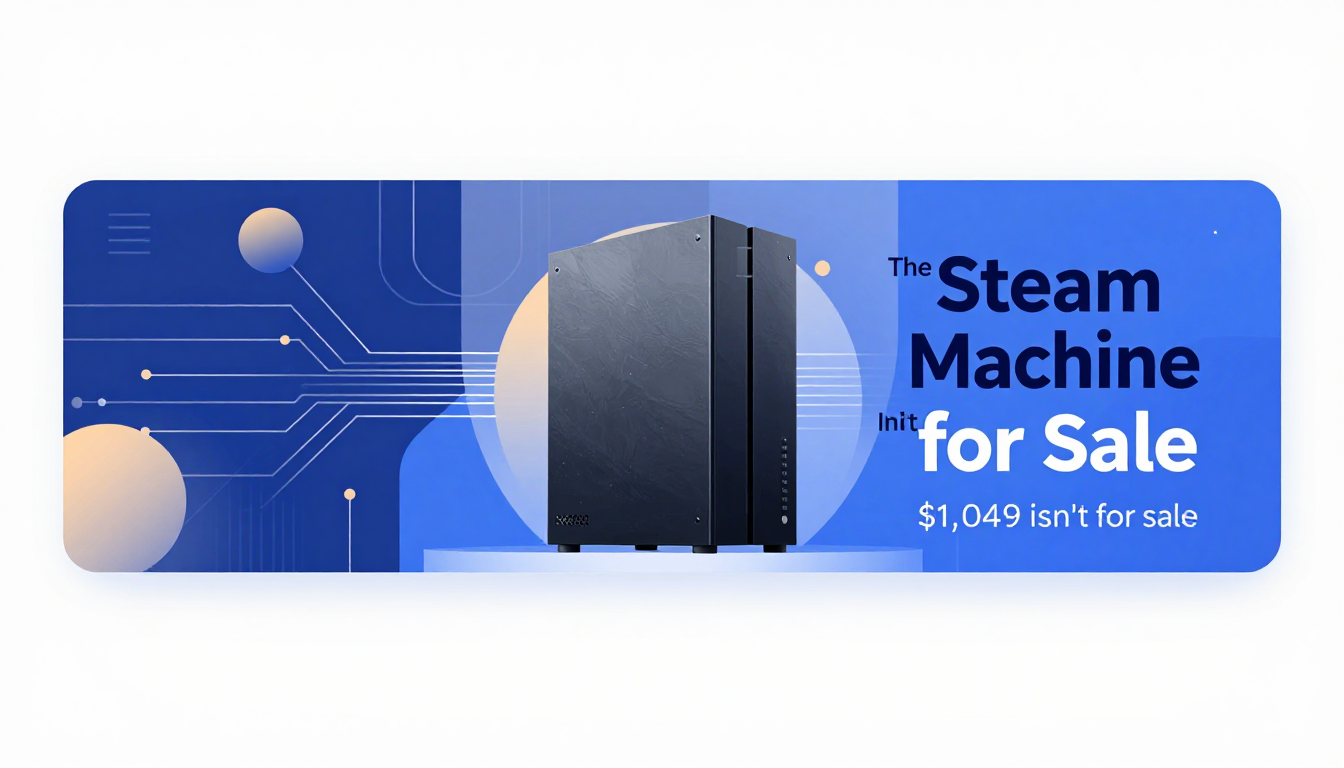
The Steam Machine Isn’t for Sale. It’s a Psychological Stress Test.
Valve’s $1,049 Steam Machine isn’t for sale—it’s a lottery. Here’s why that’s the only way this makes sense in 2026.
Assessing AI Chatbot Risks in Mental Health Care: A Clinical Framework for Clinicians
A practical clinical framework for mental health clinicians to assess AI chatbot use and identify when reinforcement of specific mental health symptoms may be occurring.
The Limits of Artificial Intelligence in Therapeutic Healing: Why Human Presence Is Irreplaceable
An analysis of why AI-powered chatbots, while useful for psychoeducation and triage, cannot replace the critical human connection, nervous system co-regulation, and therapeutic alliance required in trauma therapy.