
AI & Semiconductor Supply Chains
Articles on AI-driven demand for semiconductors and memory chips, supply chain constraints, pricing dynamics, and the macroeconomic implications of hardware scarcity in the data center boom.
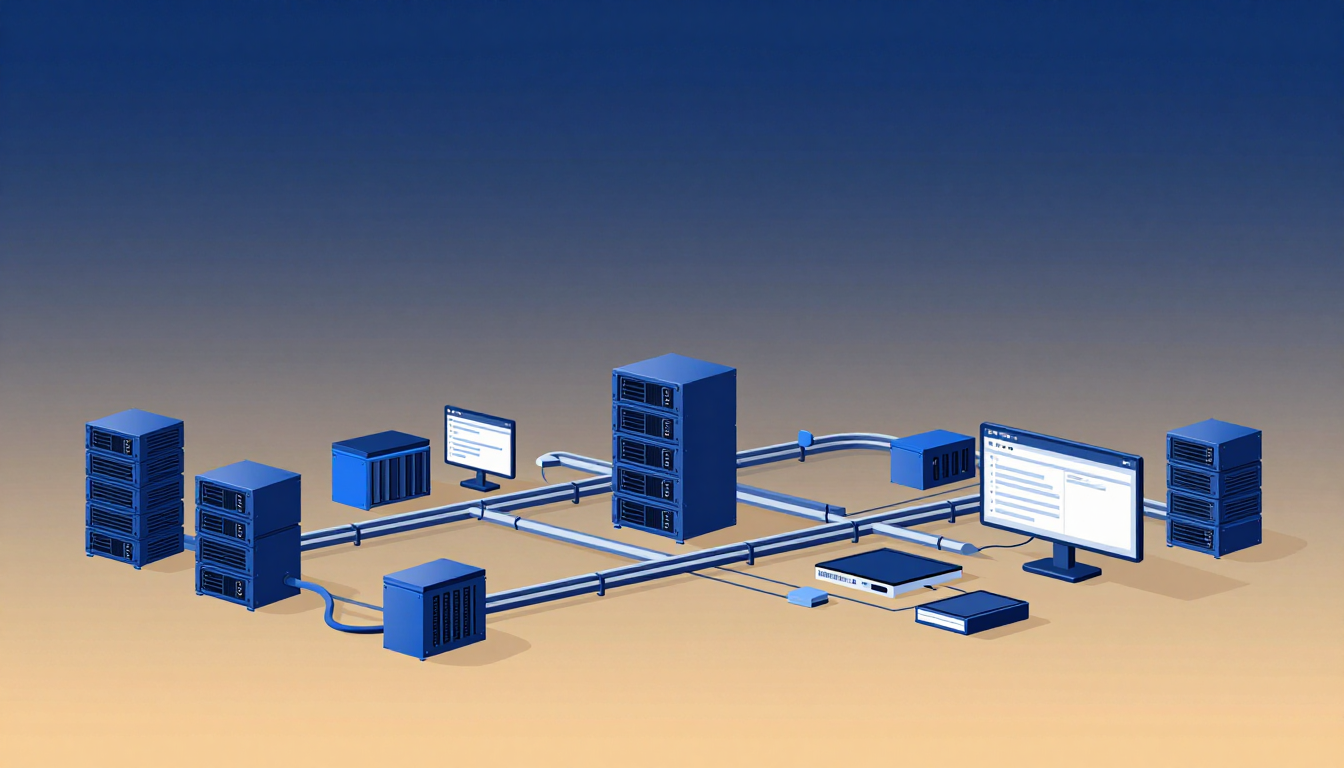
The Silicon Divide: How Server Memory Shortages Solidify Apple and Samsung’s Mobile Monopoly
A deep look into how the explosive demand for AI server memory has constrained the global smartphone supply chain, squeezing budget-tier manufacturers while allowing premium giants Apple and Samsung to capture even more market share.
The Memory Tipping Point: Why AI’s Appetite Changed Everything
The RAMage is on—memory vendors are swimming in AI cash, but consumers may never see the bottom of this price spiral.

The AI Memory Squeeze: Why Budget Laptops are Vanishing in 2026
Surging demand for AI server hardware is forcing memory manufacturers to reallocate capacity, resulting in rising component costs and a dwindling supply of entry-level consumer laptops.

Smartphone Market Downturn: How AI Server Demand is Hurting Your Wallet
A perfect storm of high-margin memory demand for AI infrastructure has ignited a semiconductor supercycle, driving entry-level smartphone prices up and causing the new handset market to shrink 15 percent as consumers lengthen their upgrade cycles.
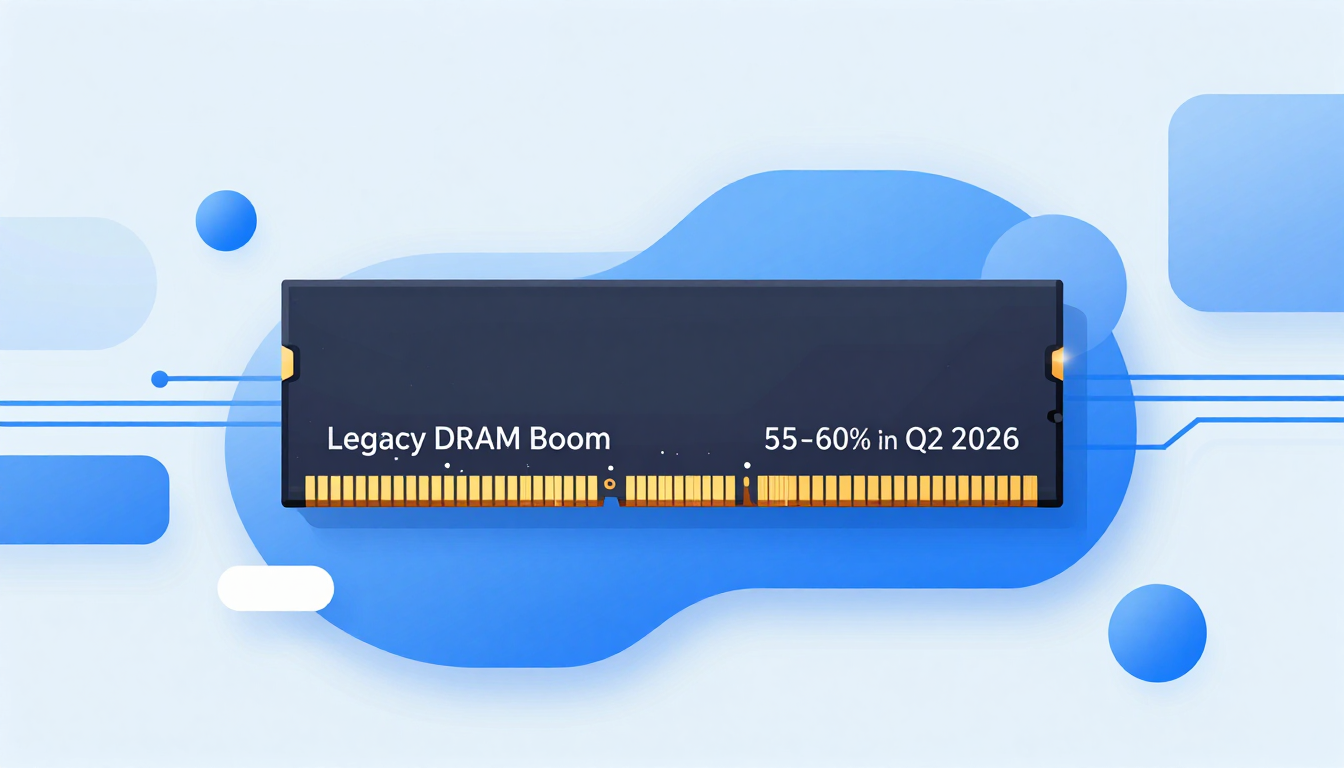
Legacy DRAM Boom: DDR2 and DDR3 Prices Surge Amid AI-Driven Memory Shortage
The global memory crisis has intensified as buyers turn to legacy DRAM products like DDR2 and DDR3 to secure supply, causing unprecedented price hikes. According to TrendForce, DDR2 prices are projected to rise 55-60% in Q2 2026, with DDR3 also experiencing significant increases as demand outstrips supply.
Micron's $41 Billion Quarter: What the Memory Chip Boom Actually Means
Micron posted $41.45B in quarterly revenue and $28.2B in profit as AI-driven memory scarcity sends shares up 13%. Here's what the numbers actually tell us about the memory chip economy.
The Memory Chip Squeeze: AI's Hidden Inflation Problem
The data center buildout fueled by AI workloads is creating a third wave of inflation, with memory chip prices rising sharply as demand for HBM and DRAM outstrips supply capacity.