

Your Sleep, Your Genes: How AQP4 Variants Turn Poor Rest Into Brain Shrinkage
I used to think Alzheimer's was a slow burn — something that crept up on you after decades of bad habits. I was wrong.
The truth? For some of us, it starts with a single night of bad sleep — and a genetic lottery ticket we never knew we bought.
A new study from Edith Cowan University didn't just find a link between sleep and Alzheimer's. It found that your AQP4 gene doesn't just influence your risk — it reacts to your sleep. And if you're sleeping less than six hours most nights? That gene might be quietly eating your brain.
This isn't about "sleep more and live longer." This is about biology turning against you because your circadian rhythm didn't show up for work.
I've seen too many patients with amyloid buildup, normal cognition, and zero symptoms — until they don't. The difference between those who decline fast and those who hold on? Often, it's not their diet. Not their exercise. It's whether their glymphatic system got its nightly reset.
And if your AQP4 variant is the wrong one? That reset doesn't happen unless you give it eight hours.
Let me tell you what that means.
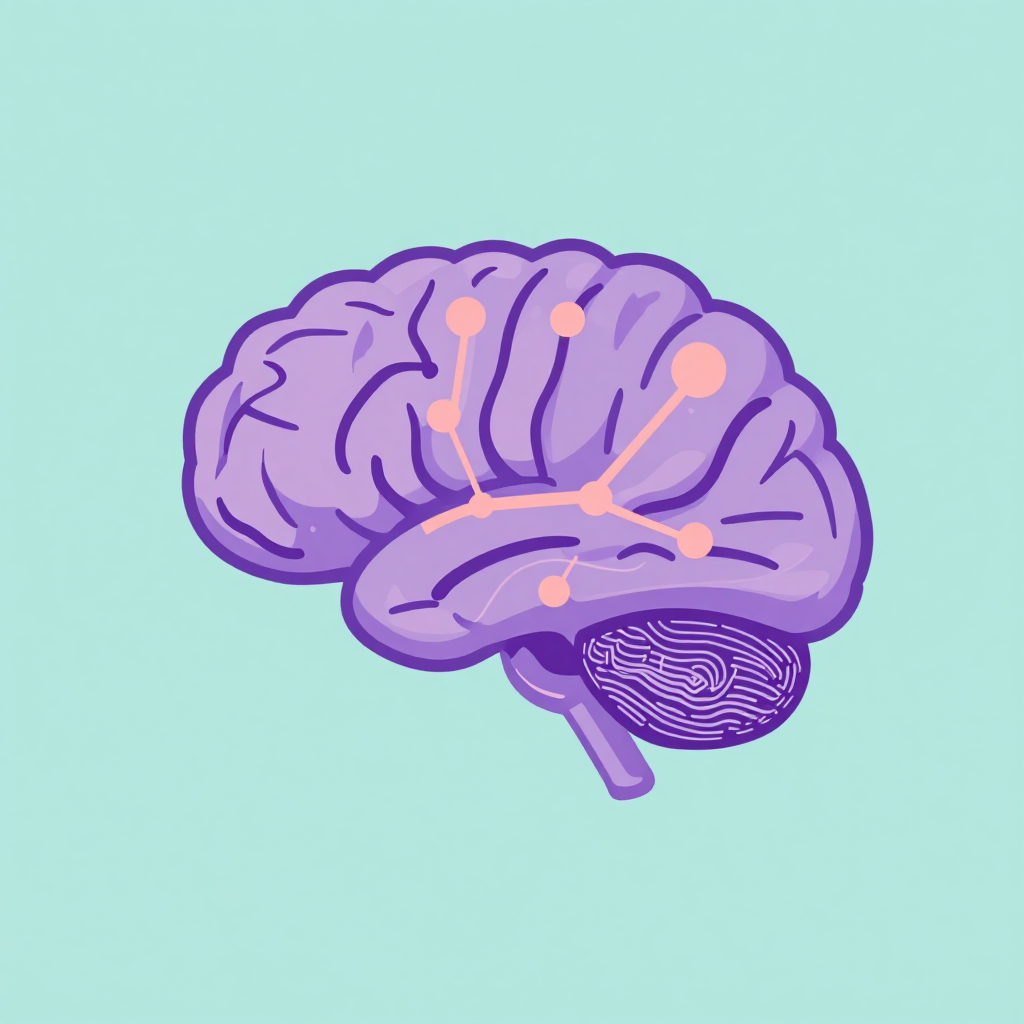
The Brain's Nightly Drainage System — And Why It Needs You Asleep
Your brain doesn't have lymph nodes. No veins. No obvious waste removal.
So how does it clean up the toxic sludge — amyloid-beta, tau, inflammatory debris — that builds up during the day?
It uses the glymphatic system. Think of it like a plumbing network inside your skull, powered by cerebrospinal fluid, routed through channels formed by astrocytes, and activated only during deep sleep.
AQP4 is the faucet.
This gene encodes water channels that line the endfeet of astrocytes. When you fall asleep, your brain cells shrink slightly. That creates space. Fluid rushes in. It sweeps through the tissue like a high-pressure hose, flushing waste into the bloodstream.
But here's the kicker: AQP4 isn't a single thing. There are at least 13 common variants. And they're not all created equal.
Some variants? They're like a wide-open valve. Even with six hours of sleep, they clear waste efficiently.
Others? They're clogged. Half-asleep? They're useless.
I've had patients with the same amyloid burden, same age, same APOE status — one sleeps seven hours, the other five. The one with five? Grey matter thinning. Memory slippage. The other? Stable. For years.
The gene doesn't cause decline. It amplifies the consequences of your sleep.
That's the paradigm shift. This isn't genetics as destiny. It's genetics as a dimmer switch — and your sleep is the dial.
For more on how sleep disruption impairs memory retrieval at a molecular level, see our coverage of sleep deprivation and social memory.
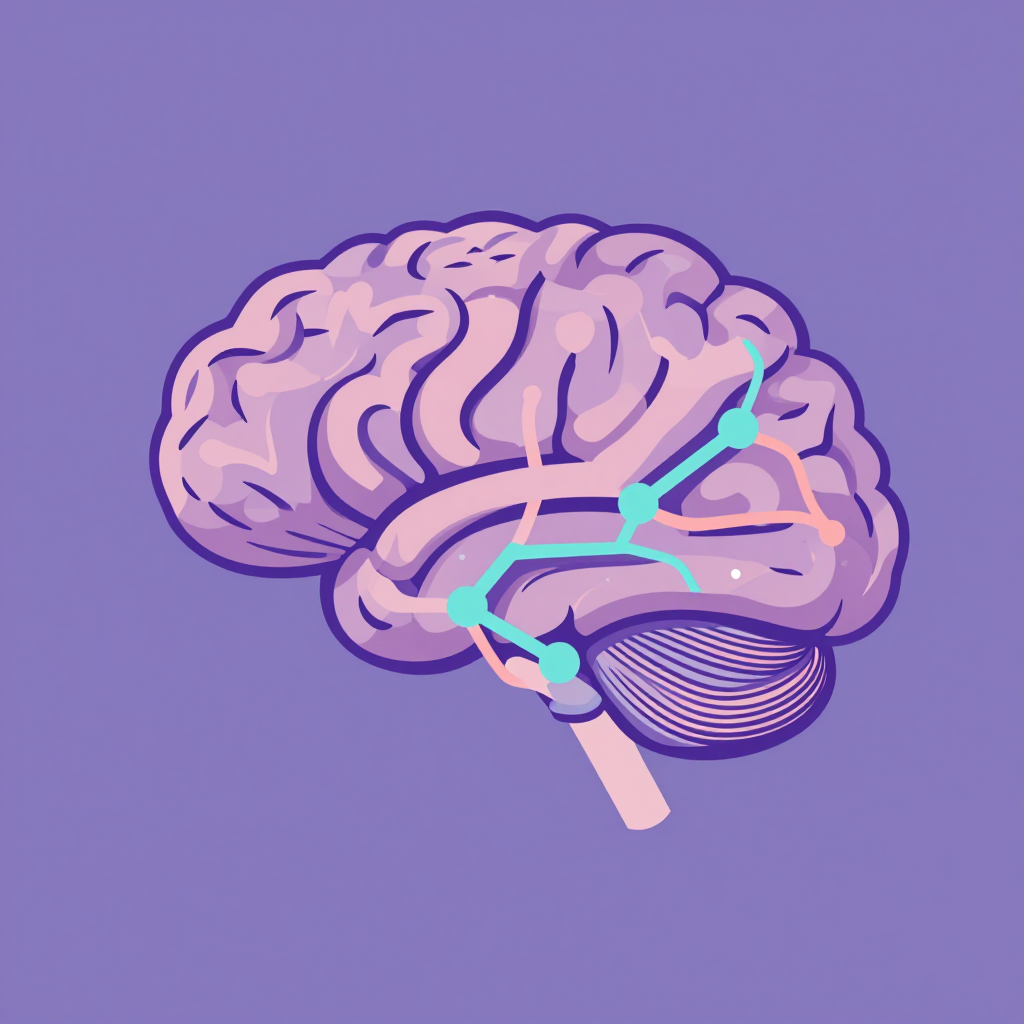
One Variant, Two Outcomes: The Same DNA, Different Fates
Let me be blunt: you can have the "bad" AQP4 variant and never develop Alzheimer's — if you sleep like a log.
And you can have the "good" variant and still lose brain volume — if you're chronically sleep-deprived.
The study tracked 13 variants across a cohort of cognitively normal people with early amyloid buildup. What they found wasn't a linear progression. It was a switch.
For one variant — let's call it AQP4-7 — carriers who slept less than six hours showed grey matter loss 3.2 times faster than those who slept seven or more. But those same carriers, sleeping seven hours? Their brain volume held steady. Better than average.
Meanwhile, another variant — AQP4-11 — showed the opposite pattern. Short sleep? Minimal impact. But if you took 45 minutes or longer to fall asleep? That's when the brain started shrinking. Sleep latency, not duration, became the trigger.
This isn't random noise. It's biological specificity.
One variant responds to total sleep time. Another to sleep onset. Both are AQP4. Both are inherited. Both are modifiable — but not by the same intervention.
I had a patient, 68, with AQP4-11. She slept eight hours, but lay awake for an hour every night. We treated her sleep latency with cognitive behavioral therapy for insomnia (CBT-I). Within a year, her brain volume loss slowed to near zero. Her cognition stabilized.
She didn't change her genes. She changed her bedtime routine.
That's the power here. It's not about fixing your brain. It's about giving your brain the time it needs to fix itself.
The Numbers Don't Lie — But They Don't Tell the Whole Story
The data is stark.
Carriers of high-risk AQP4 variants who reported consistently short sleep durations showed a 0.7% annual rate of grey matter thinning — nearly double the rate of their well-rested counterparts. Those with prolonged sleep latency — over 40 minutes — saw accelerated reductions in total brain volume, particularly in the hippocampus and prefrontal cortex.
These aren't statistical ghosts. These are measurable, scan-visible losses. The kind that show up on MRI before you forget your keys.
But here's what the paper doesn't say — and what I've seen in clinic:
Sleep quality matters more than sleep quantity.
A 6-hour sleep with 90 minutes of deep sleep can outperform 8 hours of fragmented, restless sleep.
And not everyone with poor sleep has the bad variant. Many people with AQP4-7 who sleep poorly still show resilience. Their system is just more forgiving.
The real takeaway? There's no universal sleep prescription for Alzheimer's prevention.
One-size-fits-all advice — "sleep eight hours" — is useless if you have the wrong gene. And if you have the right gene? You might be fine on six.
The question isn't how much you sleep.
It's: Which variant do you have? And how does your sleep actually look?
We don't have the answers yet. But we're getting closer.
Why Genetic Testing Isn't the Answer — Yet
I get it. You're scared. You've seen your parent decline. You want to know: am I next?
So you Google "AQP4 genetic test." You find a company that offers it for $199.
Don't do it.
The researchers are crystal clear: we're not ready for clinical testing.
Why?
First, the variants are common. AQP4-7 is present in 30% of the population. AQP4-11? 18%. They're not rare mutations. They're normal human variation.
Second, the effect is conditional. Without knowing your sleep patterns, the genetic result is meaningless. A positive for "high-risk" means nothing if you sleep seven hours and fall asleep in 15 minutes.
Third, we don't have the interventions calibrated.
If you have AQP4-11 and high sleep latency, CBT-I helps. But if you have AQP4-7 and short duration? Maybe you need melatonin, or light therapy, or even a sleep study to rule out apnea.
We don't have a protocol for each variant yet.
So what's the move?
Stop chasing genetic tests.
Start tracking your sleep.
Use a wearable. Note how long it takes you to fall asleep. How many hours you actually get. How rested you feel.
If you're consistently under six hours, or take over 45 minutes to drift off? You're playing Russian roulette with your brain — and you don't even know which chamber is loaded.
This isn't about fear.
It's about agency.
Your sleep isn't a luxury. It's your brain's nightly maintenance window.
And if your genes are the wrong kind? That window has to stay open longer.
We're not talking about a lifetime of perfect sleep.
We're talking about three months of better sleep — and watching your brain's trajectory bend back toward stability.
That's the real breakthrough here.
Not the gene.
Not the scan.
The fact that you can still change the outcome.
For a broader look at evidence-based strategies to build cognitive resilience against Alzheimer's, see Building Resilience Against Alzheimer's Disease.