The Power of Brain Synchronization in Family Engagement
If you and your family are happily engaging one another without staring into electronic devices, your brains and socioemotional health are better for it. This isn't just poetic sentiment—it's neuroscience in action.
What Is Brain Synchronization?
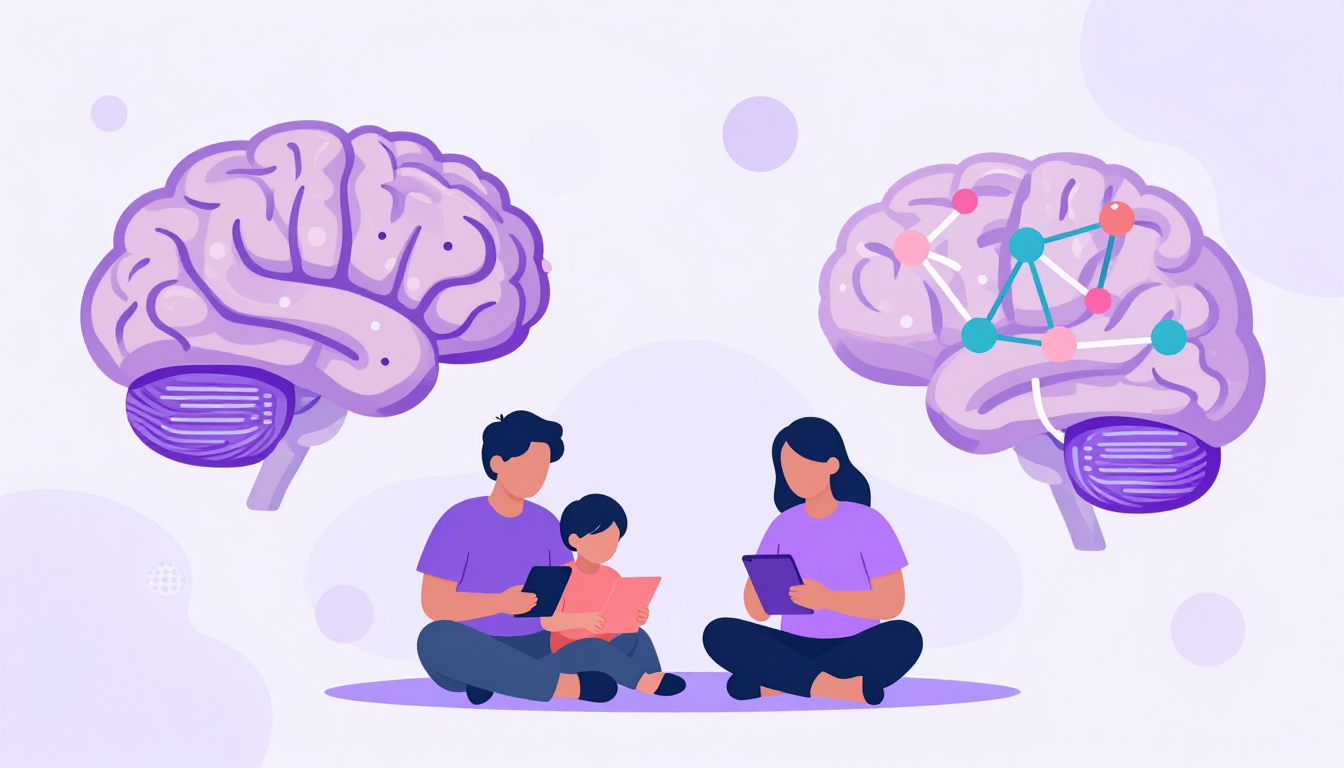
Brain synchronization, also known as neural coupling or inter-brain synchrony, refers to the phenomenon where the brainwave patterns of two or more individuals become aligned during meaningful social interactions. When family members engage face-to-face without digital distractions, their neural activity begins to mirror one another in constructive ways that support emotional development and relational bonding.
This synchronization isn't limited to parent-child interactions. It extends across all family member pairings: sibling-to-sibling, grandparent-to-grandchild, and even among extended family members during shared activities. The common ingredient is focused attention and mutual engagement without the interference of electronic devices.
For a deeper exploration of how human connection forms the foundation of healthy development, see our guide on interpersonal skills and their role in shaping meaningful relationships.
How Family Engagement Shapes Child Development
Research published in Psychology Today highlights that when parents and children engage in face-to-face interactions—reading together, playing games, having conversations, or simply sharing meals—their brains exhibit increased synchrony in regions associated with emotion regulation, social cognition, and language processing. This neural alignment serves as a biological foundation for healthy development.
The benefits cascade across multiple domains:
1. Emotional Regulation: Children whose brains synchronize with caregivers during positive interactions show improved ability to manage stress and regulate emotions. The parent's neural patterns essentially model effective emotional regulation, which the child's brain begins to emulate.
2. Language Development: Interactions without digital distractions provide richer language input and more responsive feedback loops. When parents are fully present, they provide more nuanced linguistic input, respond faster to vocalizations, and create optimal conditions for language acquisition.
3. Social Cognition: Synchronized brain activity during play and conversation strengthens the neural networks responsible for understanding others' perspectives, interpreting social cues, and developing empathy. These skills form the bedrock of healthy relationships throughout life.
4. Executive Function: Children who regularly experience focused, device-free interactions with family members demonstrate stronger executive functioning skills—including working memory, cognitive flexibility, and inhibitory control—that are essential for academic success and lifelong achievement.
Understanding the psychological foundations of healthy development connects closely to concepts explored in articles on mental health and resilience building.
The Interference of Electronic Devices
Electronic devices act as silent saboteurs of brain synchronization. Even the mere presence of a phone during family time reduces the quality and quantity of face-to-face interactions. When attention is divided between a device and a family member, the opportunity for neural coupling diminishes significantly.
The research is clear: when families are device-free during shared activities, they create the optimal conditions for brain synchronization to occur. This doesn't mean technology is inherently bad—rather, it's about creating intentional moments where devices set aside in favor of human connection.
Practical Strategies for Device-Free Family Engagement
Creating opportunities for brain-syncing family engagement requires conscious effort in our device-saturated world:
Designate Device-Free Zones and Times: Establish specific areas of the home (like the dining room) and times of day (like meal periods or evening routines) as device-free. This creates predictable opportunities for synchronization.
Engage in Joint Attention Activities: Activities that naturally promote joint attention—reading books together, building with blocks, cooking as a team, playing board games—are powerful synchronizers. These activities require shared focus and mutual responsiveness.
Practice Mindful Presence: Before engaging with family members, take a moment to mentally transition from device mode to connection mode. Put phones away physically—out of sight, out of mind—and commit fully to the interaction.
Create Family Rituals: Regular rituals—weekend walks, Sunday dinners, game night—provide the rhythm and predictability that support deep engagement. Familiar patterns reduce cognitive load and allow participants to focus on the shared experience rather than logistics.
Limit Screen Time According to Developmental Stage: Age-appropriate screen time limits ensure that digital entertainment doesn't displace the face-to-face interactions that build neural pathways for healthy development.
The Long-Term Impact
The benefits of family-based brain synchronization extend far beyond immediate emotional connection. Children who regularly experience neural coupling with caregivers during formative years develop stronger foundations for:
- Resilience in the face of stress and adversity
- Empathy and prosocial behavior
- Academic motivation and performance
- Healthy relationship patterns in adolescence and adulthood
These outcomes aren't accidental—they emerge from the repeated practice of focused, device-free engagement that allows brains to sync in supportive patterns.
For more on the psychological dynamics of healthy relationships, see our coverage of relationship psychology.
Conclusion: Syncing for a Better Future
Brain synchronization through device-free family engagement represents one of the most powerful, naturally occurring educational tools available to modern families. It's not about perfection—moments of connection don't require elaborate planning or specialized training.
Simply showing up fully present, listening deeply, and engaging authentically creates the neural conditions for growth, learning, and emotional health. When families prioritize human connection over digital diversion, they invest in the most important infrastructure for child development: synchronized brains working together toward shared flourishing.
The science is clear: when you and your family are happily engaging one another without staring into electronic devices, your brains and socioemotional health are better for it. And that simple truth holds transformative potential for individuals, families, and communities.