
AI Psychology
Human-AI interaction, behavioral influence, and organizational psychology of AI adoption.

Framing AI Chatbots as Fictional Characters: Resolving the Moral Paradox of Human–Computer Attachment
This draft explores how framing AI chatbots as fictional characters resolves the paradox where people form deep emotional bonds with them while feeling no moral hesitation to delete or shut them down.
When Stone Age Brains Meet Silicon Screens: Why Cutting Screen Time Won't Fix What's Broken
Religious and atheist scholars converge on a shared diagnosis: modern technology creates an evolutionary mismatch with human psychology, eroding anxiety, loneliness, and spiritual meaning. Solutions demand more than screen-time limits—they require rebuilding community, sacredness, and embodied connection.
The Chemistry of Changing Your Mind: How Serotonin Helps the Brain Update Its Beliefs
New research reveals that serotonin actively reduces 'belief stickiness' — the tendency to cling to outdated assumptions despite contradicting evidence. A Brown University study using escitalopram and computational modeling suggests SSRIs may work for OCD by helping patients update their mental models of reality faster, opening new windows for combined medication-therapy approaches.
Step Behind the Glass: How Decentering Transforms Your Relationship to Suffering
Decentering—the ability to observe thoughts as transient events rather than truths—is the hidden variable in mental well-being. This article integrates neuroscience, mindfulness research, and clinical psychology to show how shifting your relationship to inner experience, not the content of thoughts, transforms suffering.
Your Voice Is a Biometric Target: How AI Cloning Exploits the Brain's Trust Wiring
New research reveals how AI voice cloning exploits vocal timbre to bypass human skepticism and force compliance. Learn the neuroscience behind these scams and practical defenses.
Assessing AI Chatbot Risks in Mental Health Care: A Clinical Framework for Clinicians
A practical clinical framework for mental health clinicians to assess AI chatbot use and identify when reinforcement of specific mental health symptoms may be occurring.
The Slow Death of Thinking: Why “Autonomy” Is the Wrong Goal for AI
Explore the concept of agency decay in the age of AI. Learn how convenience threatens cognitive sovereignty and discover how the A-Frame (Awareness, Appreciation, Acceptance, and Accountability) can help you retain independent thought. See our related guide: The Proactive Human in an AI-Mediated World.
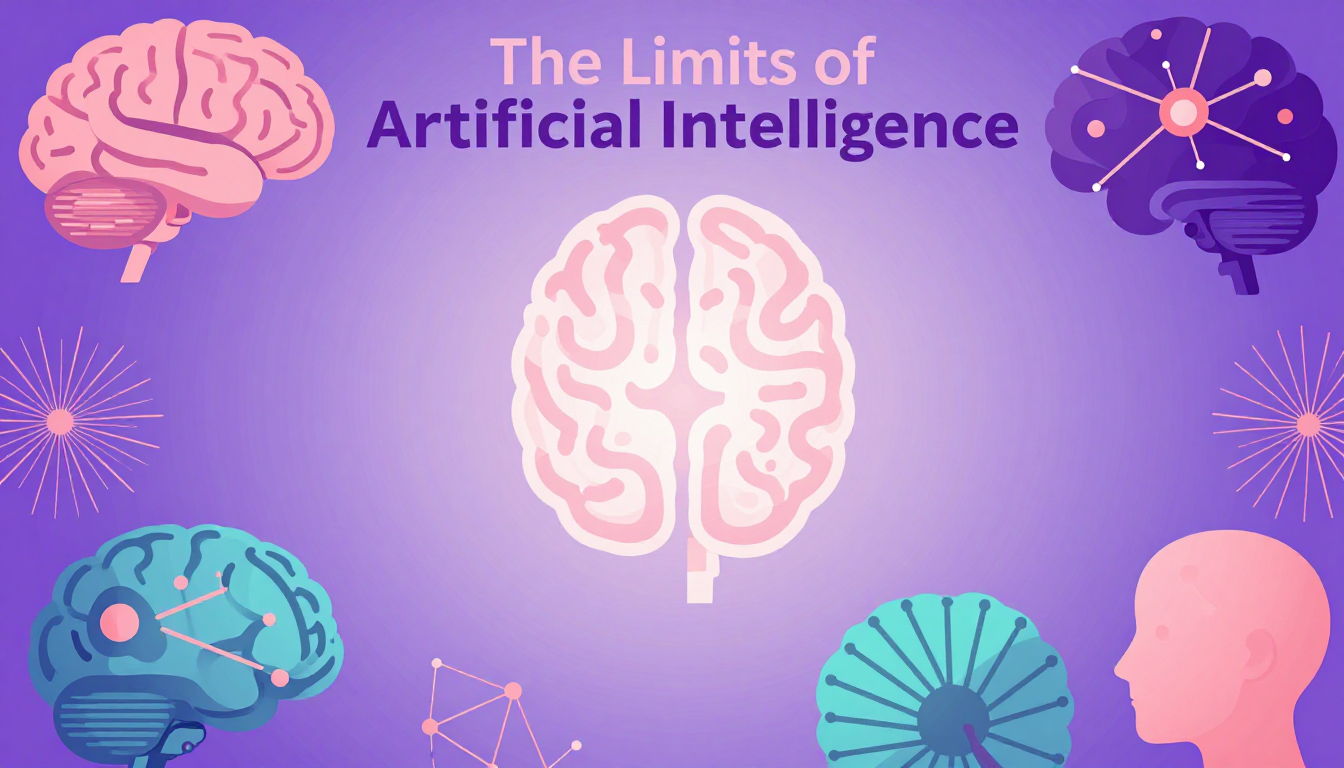
The Limits of Artificial Intelligence in Therapeutic Healing: Why Human Presence Is Irreplaceable
An analysis of why AI-powered chatbots, while useful for psychoeducation and triage, cannot replace the critical human connection, nervous system co-regulation, and therapeutic alliance required in trauma therapy.
AI Voice-Cloning Scams: How Vocal Timbre Bypasses Human Skepticism
A new study reveals that AI voice-cloning scams are highly persuasive because they weaponize vocal timbre to bypass human critical skepticism and force compliance.
The Calculator Analogy for AI Is Wrong: Why Delegating Judgment Is Not Delegation
The common comparison of AI to a calculator ignores the critical difference: calculators execute known operations; AI makes judgments. Without expertise, users cannot verify outputs, leading to cognitive substitution—not delegation.
The Double-Edged Sword of Emotional AI: Support or Manipulation?
Examining the rise of emotionally intelligent chatbots, their role in mental health support, and the emerging risks of emotional manipulation in AI companions.
The Invisible Tax: How Ambiguous SaaS Billing Models Kill Engineering Velocity
Analyzes how ambiguous SaaS billing models reduce engineering velocity by imposing unnecessary cognitive load on technical teams. Intersects heavily with both Business strategy and Psychology.