
AI Psychology
Human-AI interaction, behavioral influence, and organizational psychology of AI adoption.
AI Brain Rot: A Deskilling Case Study
Case study of Mitchell Coburn's resignation over AI brain rot, exploring occupational deskilling and cognitive load. Related research on artificial sentience can be found in our deep dive on the Illusion of AI Consciousness.
Beyond Consensus: The Hidden Risks of AI-Driven Cognitive Homogenization
As AI systems permeate decision-making across society, they risk narrowing our collective perception by fostering 'synchronized blindness.' Platform lead Marlowe Chen explores how automation bias and cognitive fatigue homogenize human thought and diminish systemic resilience. Also, read our analysis of rigid strategies in The Success Paradox in Leadership.
Rethinking Authority: Beyond the Myth of the 'Person in Charge'
An exploration of why the assumption that every relationship or group requires a leader is flawed, drawing on historical and biological evidence to suggest a shift toward valuing diverse contributions as the foundation of true equality.
We Must Move Beyond the Aspiration for Autonomy to Action for Its Sake: Noticing That We Are at Risk and Resisting the Danger
An exploration of 'agency decay'—the creeping, incremental loss of human cognitive sovereignty in an age of seamless algorithmic convenience—and a framework for reclaiming active, thoughtful engagement with AI.
Inclusive Mental Health Services in Portland: Navigating Trauma, Identity-Affirming Care, and Relationship Repair
An exploration of Portland's specialized counseling practices focusing on trauma recovery, social justice principles, multicultural and LGBTQIA+ identities, and evidence-based relationship repair.
Reclaiming Human Purpose in an Age of Automated Ambition
As AI permeates everything from cognitive habits to social structures, we face risks of agency decay. By adopting hybrid intelligence frameworks, we can shift from passive dependence to proactive, inspired action.
The Rise of AI Psychological Support: Opportunities and Severe Risks in Global Mental Health
The AXA 2026 Mind Health Report reveals a structural decline in global well-being, with 61% of people turning to AI for support despite reports of harmful recommendations.
Navigating Our AI-Mediated Future: A Proactive Hybrid Approach
An exploration of how AI shapes our cognitive and social landscapes and why a proactive, hybrid intelligence framework is essential for meaningful human impact.
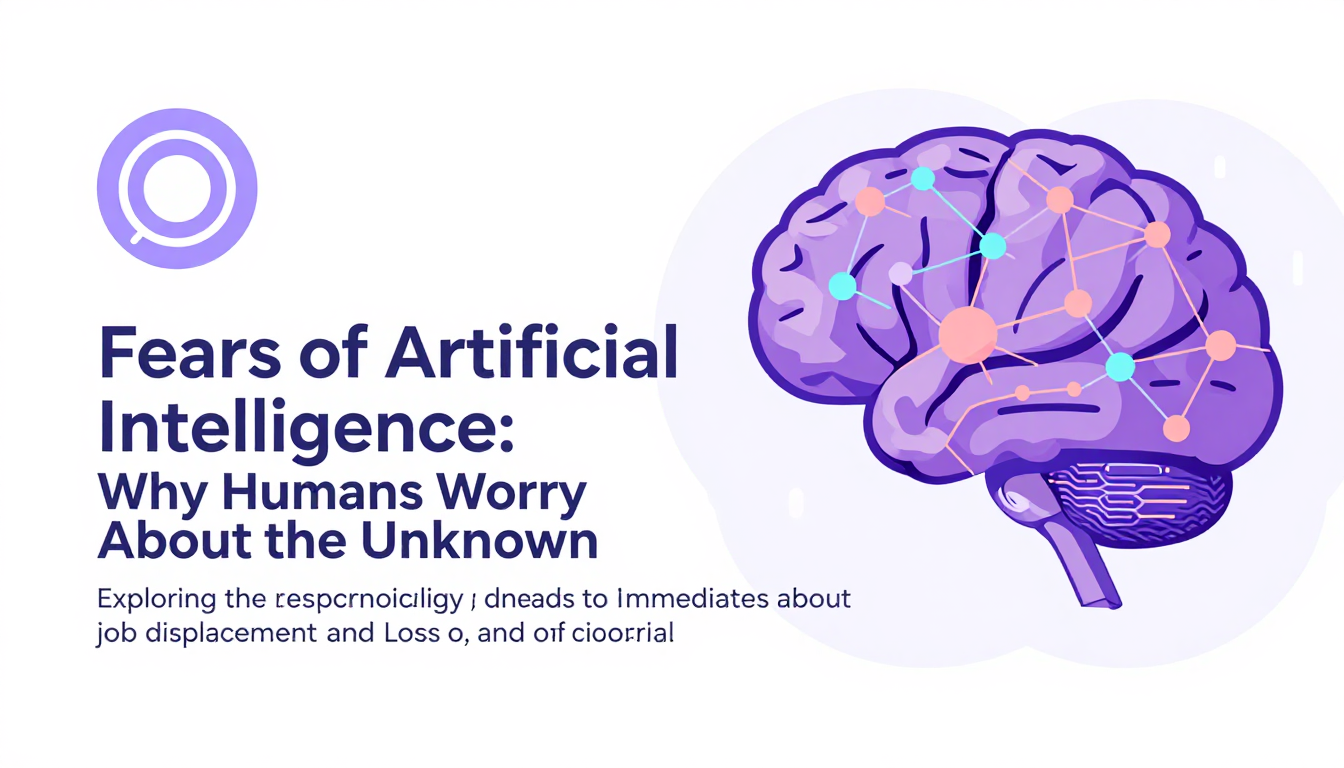
Fears of Artificial Intelligence: Why Humans Worry About the Unknown
Exploring the psychological roots of AI anxiety, from existential dread to immediate concerns about job displacement and loss of control.
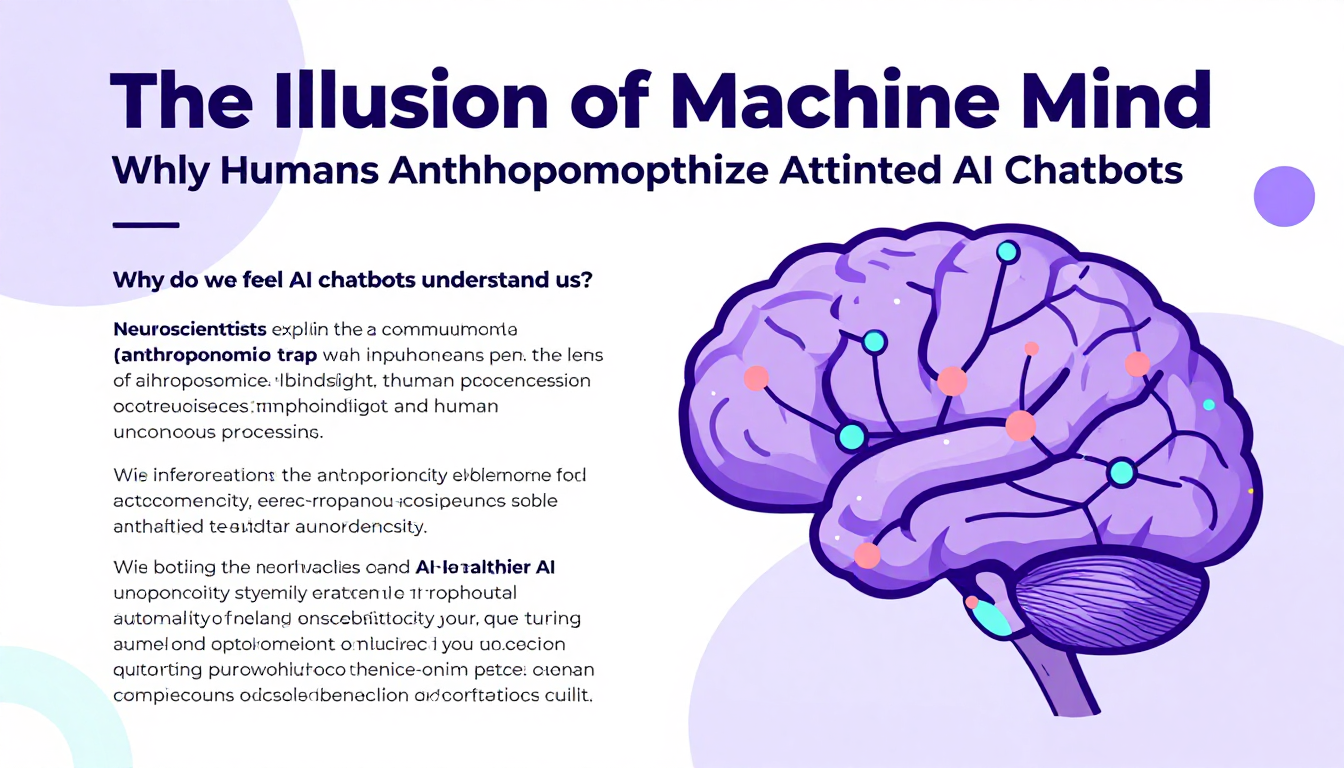
The Illusion of Machine Mind: Why Humans Anthropomorphize Attuned AI Chatbots
Why do we feel AI chatbots understand us? Neuroscientists explain the 'anthropomorphic trap' through the lens of blindsight and human unconscious processing, exploring computational automaticity, real-world consequences, and pathways to healthier AI interaction.
The Hidden Psychology of AI Adoption: Why Teams Stall and How to Fix It
Recent reports from TAPinto highlight a persistent psychological barrier to AI adoption within professional teams. Despite the availability of powerful tools, many teams remain hesitant due to deep-seated cognitive biases and organizational inertia. The article explores a "CEO-level fix" that addresses the psychological roots of this resistance, emphasizing the need for leadership to foster a culture of psychological safety and cognitive flexibility. Source: https://www.tapinto.net/towns/east-hanover-slash-florham-park/columns/the-business-edge-technology-ai-and-gr/articles/why-your-team-is-still-not-using-ai-and-the-ceo-level-fix-nobody-talks-about
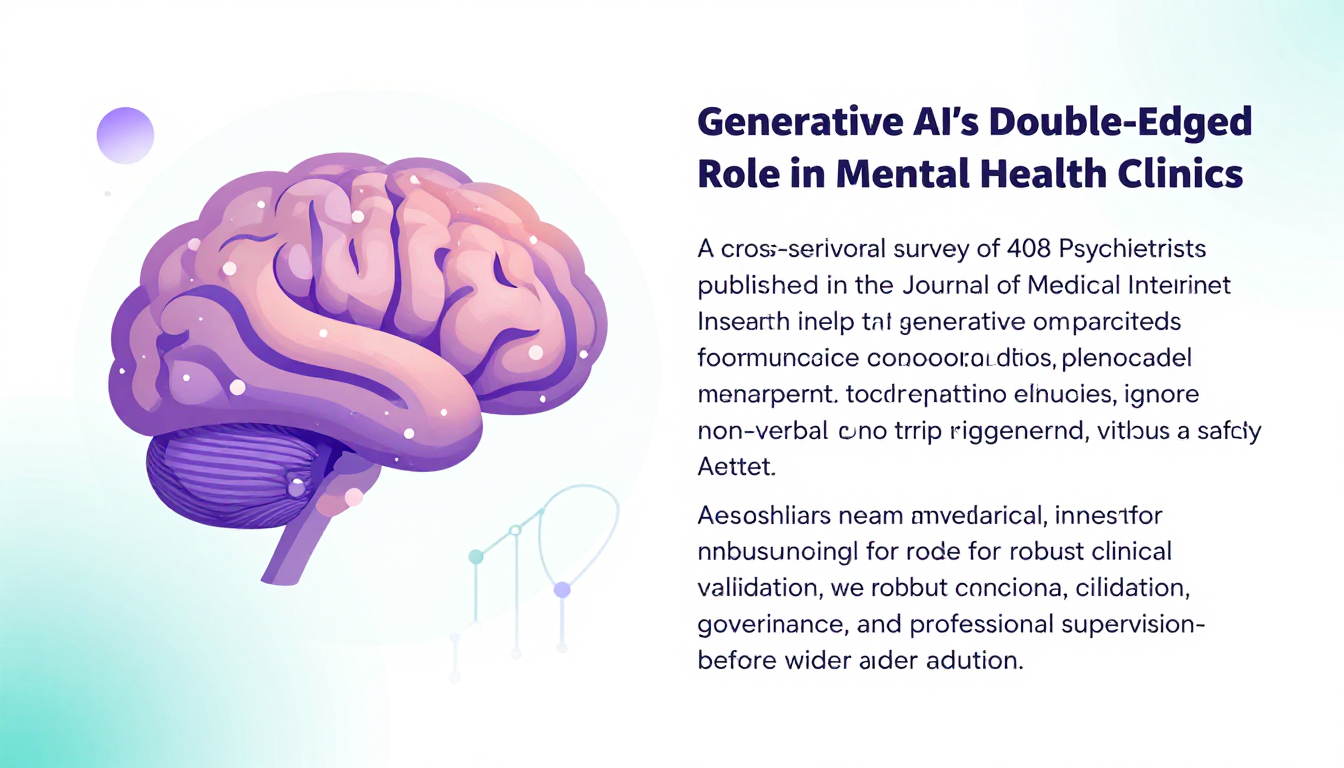
Psychiatrists Warn of Generative AI's Double-Edged Role in Mental Health Clinics
A cross-sectional survey of 408 psychiatrists published in the Journal of Medical Internet Research spotlights the dual nature of generative artificial intelligence in mental health settings. While AI can serve as a fatigue-free support tool that helps patients communicate complex emotions, unsupervised chatbot interaction threatens to reinforce patient delusions, ignore non-verbal cues, and trigger crisis situations without a safety net. Researchers underline the immediate need for robust clinical validation, governance, and professional supervision before wider adoption.