
AI Psychology
Human-AI interaction, behavioral influence, and organizational psychology of AI adoption.
Prediction Markets: Trading on Real-World Events—Where Gambling Mechanics Meet Financial Forecasting
Prediction markets are trading platforms for binary contracts on real-world events. As usage surges on Kalshi, Polymarket, and Robinhood, counselors and behavioral economists warn of gambling-like risks—continuous play, variable rewards, and deceptive language masking true gambling mechanics.
Riding the Stride: Closed-Loop Neurostimulation Adjusts Millisecond-by-Millisecond to Stabilize Parkinson's Gait
A new UCSF study published in Nature Medicine demonstrates a closed-loop adaptive deep brain stimulation system that synchronizes electrical pulses with individual steps, significantly improving gait symmetry and reducing falls in Parkinson’s patients.
The Neo-Luddite Renaissance: Reclaiming Humanity in an Age of Automation
Tooling engineer Olive Grant explores why the new Neo-Luddite movement makes sense in a culture of tech hype, broken attention networks, and automated distraction.
The Behavioral Mismatch: Why Algorithms Feed Your Vigilance, Not Your Values
An explanation of the gap between our stated desire for positive content and the negative feeds we actually scroll, rooted in economics and evolutionary biology.
Large Rewards Accelerate Learning Speed by Extending Brain Signals
Paradigm-shifting neuroscience research reveals that large rewards dramatically speed up learning not through repetition alone but by extending the duration of dopamine signals in the brain's motivation networks.
The AI Dependency Paradox: How Chatbot Reliance Weakens Independent News Verification
While AI chatbots can initially boost fact-checking accuracy by 21%, a new MIT Media Lab study reveals a disturbing long-term dependency. As users habituate to AI-assisted verification, their ability to independently detect misinformation significantly degrades, creating a 'GPS effect' where the human mind loses its inherent news-literacy map.
Serotonin Is a Key Driver of Cognitive Flexibility by Actively Reducing Belief Stickiness
Understanding how serotonin modulates cognitive flexibility by reducing belief stickiness—the tendency to cling to outdated assumptions despite contradicting evidence—and its implications for mental health, decision-making, and AI systems.
The Paradox of Effort
Some goals become harder to achieve the more directly we pursue them. An exploration of the psychological and strategic paradox of why indirect effort often yields superior results.
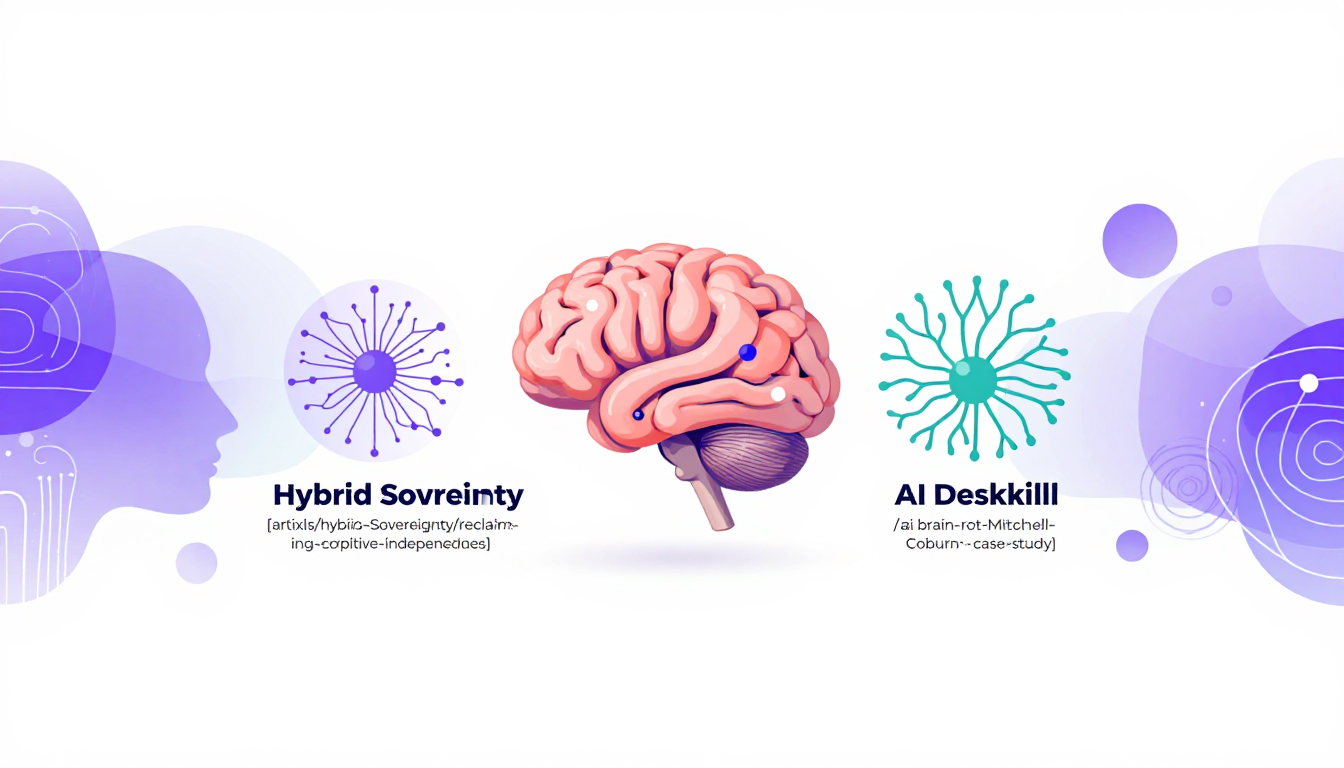
The Proactive Human in an AI-Mediated World
Navigating the complexity of an AI-mediated world requires proactive human agency and a hybrid intelligence approach. Discover more about Hybrid Sovereignty and AI Deskilling. This article explores the ABCD risks—agency decay, bond erosion, climate conundrum, and divided society—and introduces the POZE framework for cultivating a prosocial A-Frame mindset.
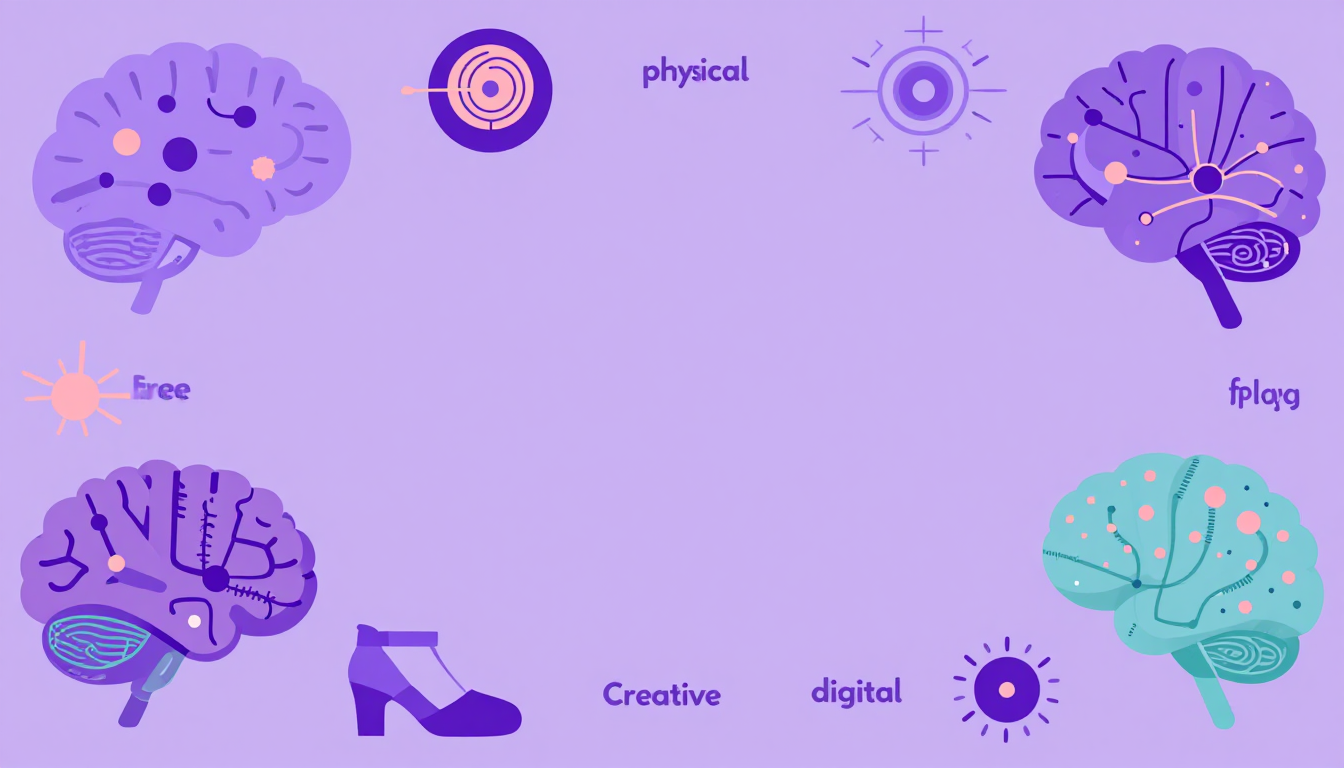
Reclaiming the Warm Season: How the Five-Part 'Play Diet' Balances Summer Screen Habits
Escape the endless scroll this summer. Discover the five categories of play—social, physical, creative, free, and digital—and learn how to cultivate real-world independence while setting healthy digital limits.
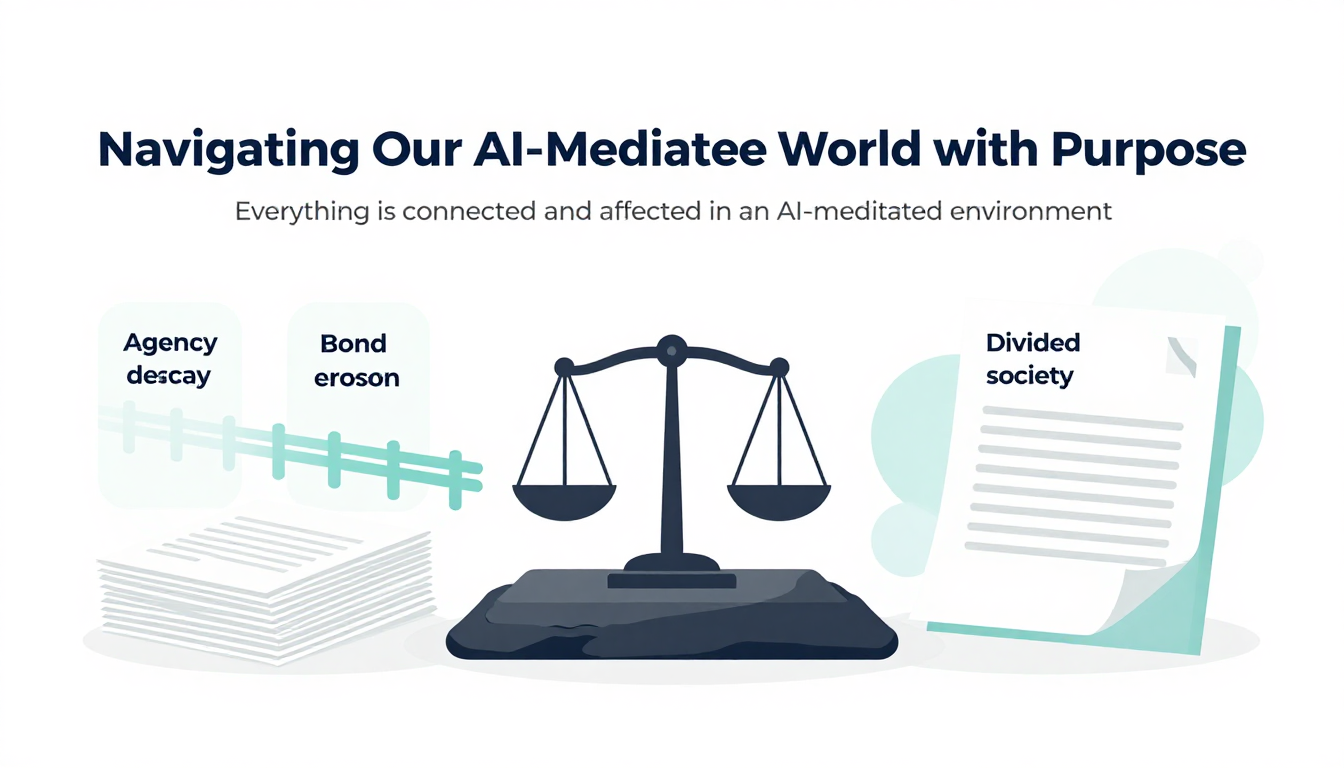
Everything Is Connected: Reclaiming Human Agency in an AI-Mediated World
As AI reshapes cognition, connection, and climate, we must move from passive consumption to intentional stewardship—using the ABCD framework and ProSocial AI to become active architects of our hybrid future.
When the Algorithm Can’t Hold Your Hand: Why Human Presence Is the Only Therapy That Works
An exploration of AI in mental health from chatbots as triage tools to the irreplaceable importance of human connection in therapy and trauma healing.