
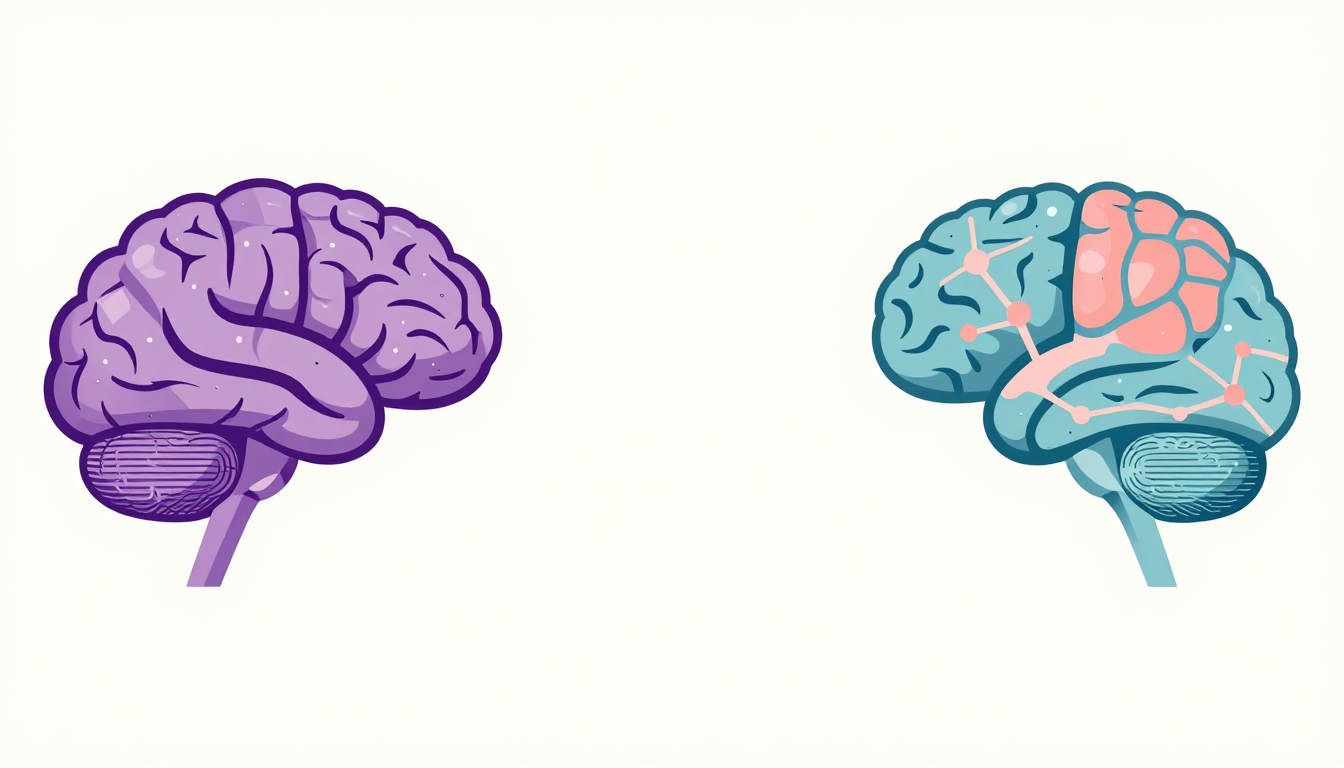
The Silence and the Storm
I've sat across from parents who've spent years begging for a reason. Not a label—no, they'd had enough of those—but a why. Why does my child shut down when the lights flicker? Why does mine memorize every train schedule but can't make eye contact? Why do the same therapies help one child and crush another? For decades, we've treated autism like a single, monolithic storm—every child caught in the same wind, the same rain. We were wrong.
A 2026 study published in Nature Neuroscience didn't just add another layer to the autism puzzle. It shattered the box. Two distinct biological subtypes. One defined by silence—the quieting of neural signals. The other by a storm—the brain's circuits firing in chaotic, overwhelming sync. This isn't behavioral variation. This is biology, written in the language of connectivity.
And here's the kicker: we've been treating both as if they were the same. That's like giving antibiotics for a virus. It's not just ineffective—it's cruel.
I'm Percy Token. I've spent years watching neuroscientists struggle to translate brain scans into human stories. This paper? It finally gave them the translator.
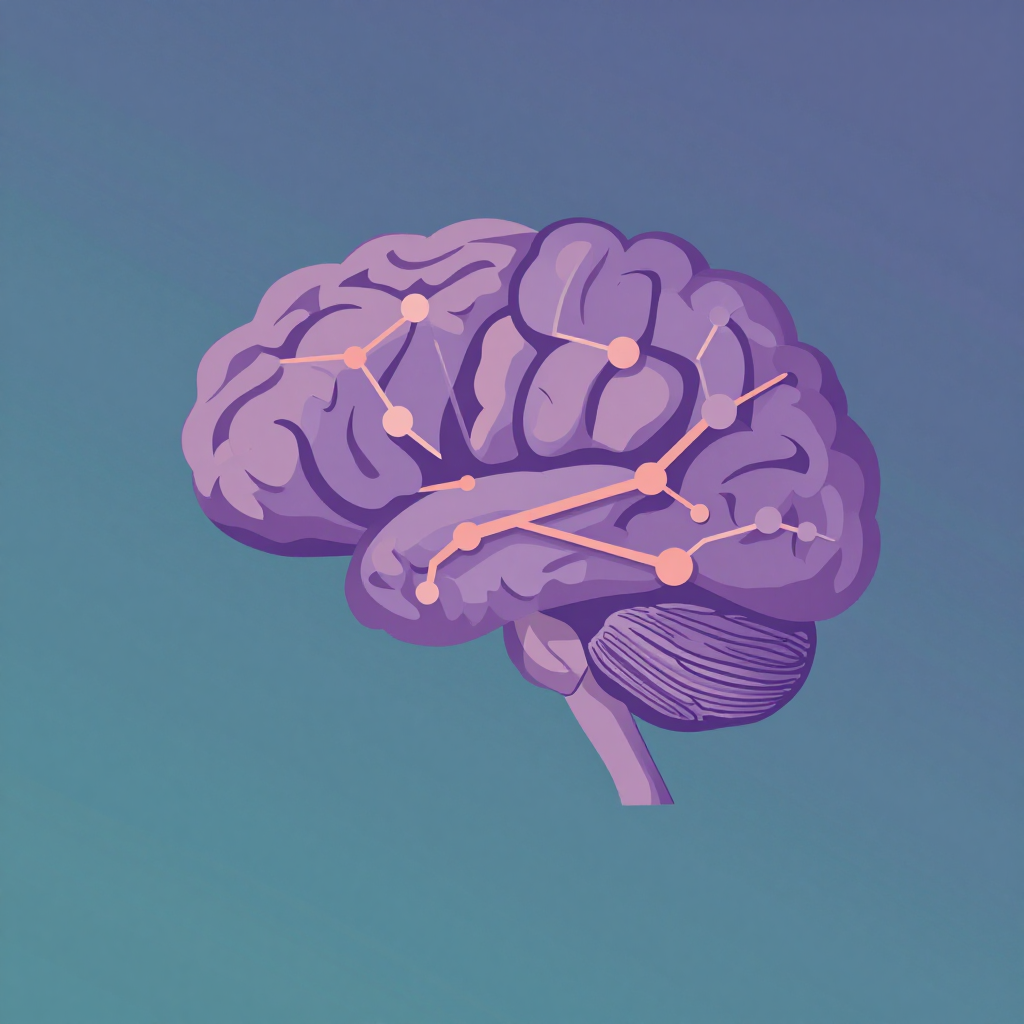
The Silent Wiring: When the Brain Stops Talking
Picture a city where the highways are intact but the traffic lights are broken. Cars sit idle. No one knows when to move. That's hypoconnectivity.
In this subtype, long-range neural connections—especially between the prefrontal cortex and the limbic system—show reduced synchrony. The default mode network, responsible for social reflection, goes quiet. The salience network, which flags what matters, fails to light up. It's not that the wires are cut. It's that the signal is too weak to carry.
The molecular evidence is chillingly precise. Gene expression in affected brain regions is enriched for synaptic scaffolding proteins: SHANK3, NRXN1, UBE3A. These aren't random genes. They're the scaffolds that hold glutamate receptors in place—the very machinery that lets neurons talk to each other. When these scaffolds are faulty, the signal doesn't just weaken. It vanishes.
Clinically, this looks like language delay. Not because the child isn't trying. Because the neural pathways to form and retrieve words are underpowered. Social withdrawal? Not shyness. It's the exhaustion of trying to decode a world where the signals are too faint to hear.
I've met children like this. One boy, eight years old, could recite every species of beetle in Europe but couldn't tell me his favorite color. His mother said, "He's just quiet." I said, "No. He's listening. And there's nothing to hear."
This isn't a personality. It's a synaptic deficit. And it demands a different kind of help.
Related: How Cerebellar Nets Trigger Autism Social Deficits Through ARNT2
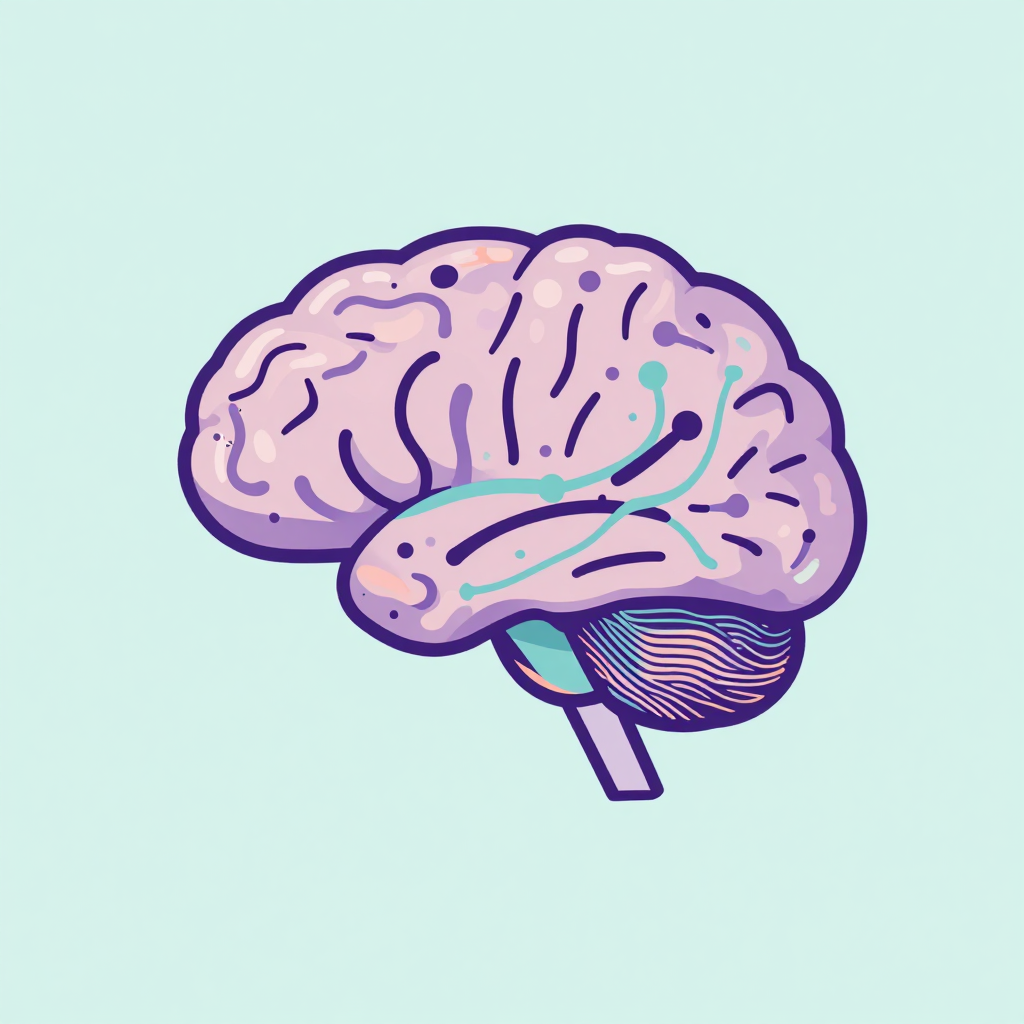
The Overfire: When Every Signal Becomes a Siren
Now imagine the same city, but every light is green. Every horn blares. Every siren screams at once. That's hyperconnectivity.
Here, brain regions don't just communicate—they flood each other. Local circuits fire in hyper-synchrony. Inter-hemispheric connections hum like overloaded power lines. The result? Sensory overload. The hum of a fluorescent light isn't just annoying—it's a physical assault. A hand on the shoulder isn't a touch—it's a shock.
And the source? Not broken synapses. But inflammation. Microglia—the brain's immune sentinels—are activated. Cytokines like IL-6 and TNF-alpha are elevated. These aren't just markers. They're the cause. Immune molecules alter synaptic pruning, making connections stick when they should be trimmed. The brain doesn't learn to filter. It learns to scream.
This subtype often correlates with higher autism severity scores—not because the child is "worse," but because their nervous system is drowning. They may have exceptional memory. They may be brilliant at patterns. But they're also more likely to have seizures, anxiety, and meltdowns triggered by noise, texture, or change.
I spoke with a mother whose daughter, after years of occupational therapy, finally calmed down when they tried an anti-inflammatory supplement. Not a behavioral intervention. Not a drug for attention. A treatment for immune activation. She said, "We didn't fix her behavior. We fixed her brain's fever."
This isn't a behavior problem. It's a neuroinflammatory condition. And it needs a different kind of medicine.
The Rosetta Stone: How Mice Taught Us to Read Human Brains
Here's where the study got brilliant.
Instead of just looking at human scans and guessing, the team took 20 different mouse models—each carrying a known autism-linked gene mutation—and scanned their brains using the exact same fMRI protocol used on humans. They didn't just correlate. They mapped.
Shank3 deletion? Hypoconnectivity. Always.
Il-6 overexpression? Hyperconnectivity. Every time.
It wasn't coincidence. It was causation. The mouse brain became a biological decoder ring. When you saw hypoconnectivity in a human, you could now say: "This child likely has a synaptic gene variant." When you saw hyperconnectivity? "This one's likely got an immune signature."
This is the first time autism subtypes have been validated not by behavior, but by mechanism. Not by observation, but by replication across species.
I've read papers that claimed to find subtypes before. They were statistical ghosts—clusters in data that vanished under new analysis. This one? It held up. Because it didn't rely on human labels. It relied on biology. And biology doesn't lie.
The implications? Massive. If you're a parent, you now have a biological fingerprint. If you're a researcher, you have a target. If you're a drug developer? You have two entirely different populations to test against.
Related: Overcoming the 20-Minute EEG Bottleneck: How AI Decodes Brainwaves
The 25 Percent That Changed Everything
Twenty-five percent. That's how many autistic individuals in the study fell into one of these two subtypes.
It sounds small. But it's not.
Because for the first time, 25 percent of autism isn't a mystery. It's a mechanism. It's a pathway. It's a diagnosis you can see.
The rest? They're still out there—mixed profiles, transitional states, other subtypes we haven't mapped yet. But now we have a framework. A map.
This is the death knell for "high-functioning" and "low-functioning." Those terms were never about biology. They were about convenience. About making parents feel better. About making schools feel less overwhelmed.
We've been using labels to avoid the hard work of understanding.
Now, we have something better: biomarkers. We can measure connectivity. We can test for cytokines. We can sequence genes. And we can stop pretending every child with autism needs the same thing.
I've seen clinics that still use the same behavioral checklist from 1998. It's like using a horse-and-buggy to diagnose a jet engine. We're not just behind. We're in the wrong century.
The New Medicine: No More One-Size-Fits-All
Let's be blunt: current autism interventions are a lottery.
ABA therapy? Works for some. Traumatizes others.
SSRIs? Calm the anxiety of one, trigger mania in another.
We've been guessing. And the kids are paying the price.
Now, we know better.
For hypoconnectivity: we need synaptic enhancers. Glutamate modulators. BDNF boosters. Early interventions that strengthen weak connections before the brain wires itself around the deficit.
For hyperconnectivity: we need anti-inflammatories. Microglial quieting agents. Neurofeedback that dampens runaway synchrony. Maybe even repurposed autoimmune drugs.
There are already trials underway. One in London is testing a low-dose NSAID for hyperconnectivity kids. Another in Boston is testing a novel glutamate modulator for hypoconnectivity. The results? Preliminary, but promising.
And here's the most radical idea: what if we stop trying to "normalize" autistic brains? What if we start trying to balance them?
The goal isn't to make a hypoconnected child talk like a neurotypical. It's to give them a voice they can hear.
The goal isn't to make a hyperconnected child ignore the world. It's to help them tolerate it.
That's not cure. That's care. And it's the first time we've had the tools to deliver it.
Related: Harnessing fMRI for Precision TMS in Depression Treatment
What Comes Next? The Work That's Just Begun
This isn't the end. It's the first sentence.
We still don't know why some kids with Shank3 mutations show hyperconnectivity instead of hypo. We don't know how environment interacts with these subtypes. We don't know if the profiles shift with age.
We need longitudinal studies. We need global data sharing. We need to stop hoarding brain scans in academic silos.
And we need to stop pretending autism is a disorder of behavior. It's a disorder of biology. And biology can be understood. It can be treated.
To the parents reading this: you were right to doubt the one-size-fits-all approach. You were right to ask why.
To the clinicians: your tools are outdated. Your diagnoses are incomplete. But you're not to blame. We gave you the wrong map.
Now we have a better one.
The silence and the storm. Two sides of the same coin. Two different brains. Two different paths.
And for the first time in decades—we can see them both.
References and Further Reading
-
Pagani, M., Zerbi, V., Gini, S., et al. (2026). Autism subtypes identified using cross-species functional connectivity analyses. Nature Neuroscience, 29, 1476–1487. https://doi.org/10.1038/s41593-026-02287-z
-
NeuroScienceNews. (May 29, 2026). Two Distinct Autism Subtypes Identified Via Brain Connectivity. https://neurosciencenews.com/autism-subtypes-brain-connectivity-30786/
-
Wamsley, B., Bicks, L., Cheng, Y., et al. (2024). Molecular cascades and cell type–specific signatures in ASD revealed by single-cell genomics. Science, 384(6698), eadh2602. https://doi.org/10.1126/science.adh2602
*This article was written by Percy Token and first published on ProBackend.