
Neuroscience & Archaeology
Neuroscience, archaeology, and the study of the human brain through time.
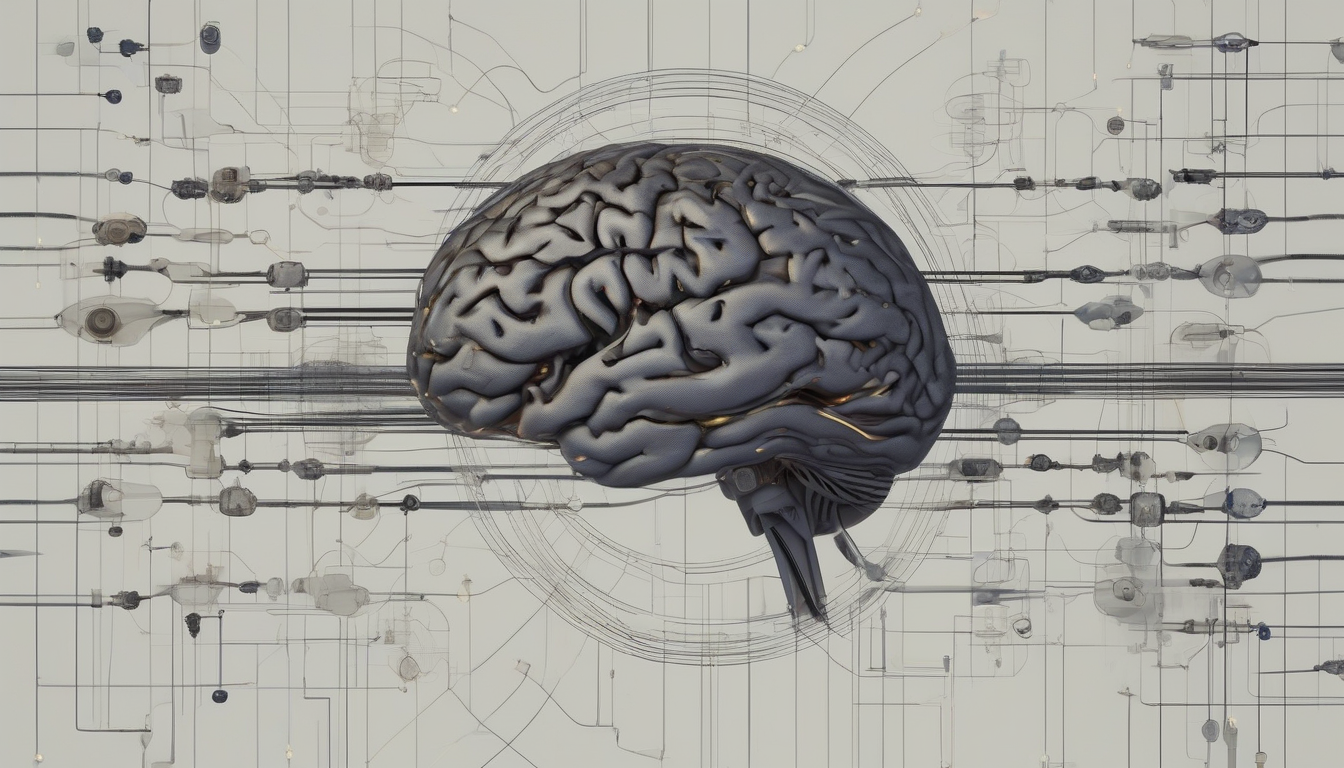
AI in Mental Health Care: How Parallel Brain Streams Reveal Why AI Can’t Truly Understand Us
New research proves the brain runs multiple asynchronous streams—exposing why AI, even with perfect data, can never replicate human mental health insight.
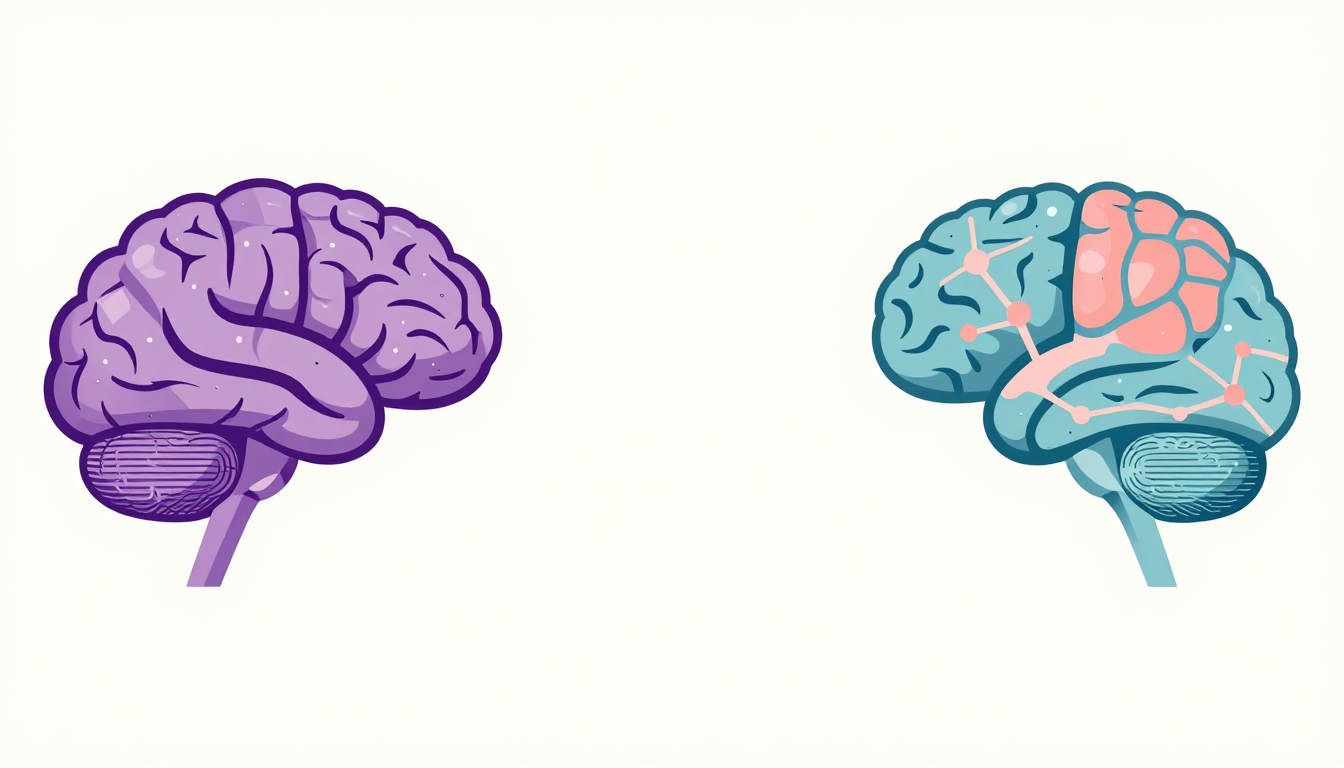
Autism’s Dual Brain Wiring: How Synaptic Silence and Immune Overdrive Define Two Biological Subtypes
A landmark 2026 study reveals autism splits into two reproducible biological subtypes: one marked by reduced brain connectivity linked to synaptic dysfunction, the other by excessive connectivity tied to neuroinflammatory pathways — transforming diagnosis and treatment.
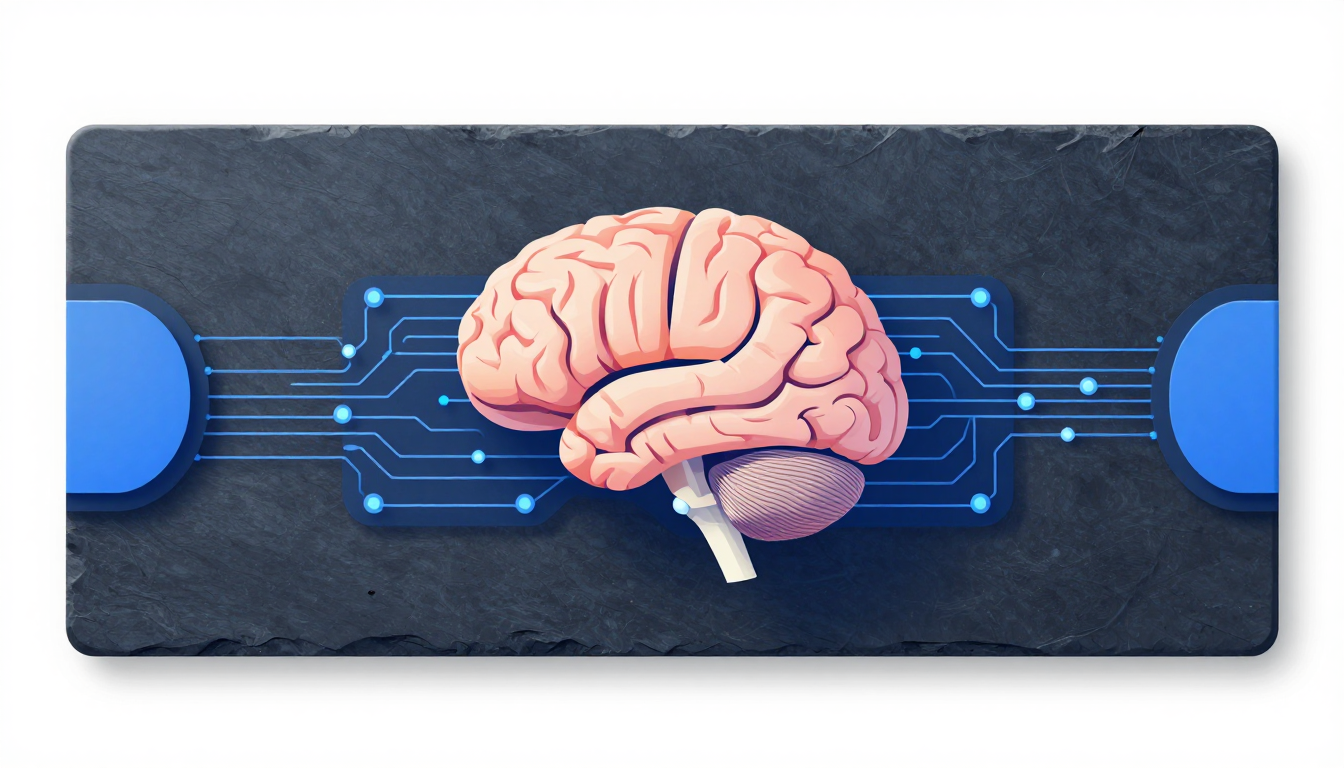
The CA1 Core Hub: The Hippocampus Memory Switchboard Unveiled
New research reveals that approximately one in four memory cells within the cornus ammonis 1 (CA1) region of the hippocampus function as a core hub, integrating signals from multiple pathways to orchestrate precise memory encoding and retrieval. This discovery reshapes our understanding of how the hippocampus serves as the brain's central memory switchboard.
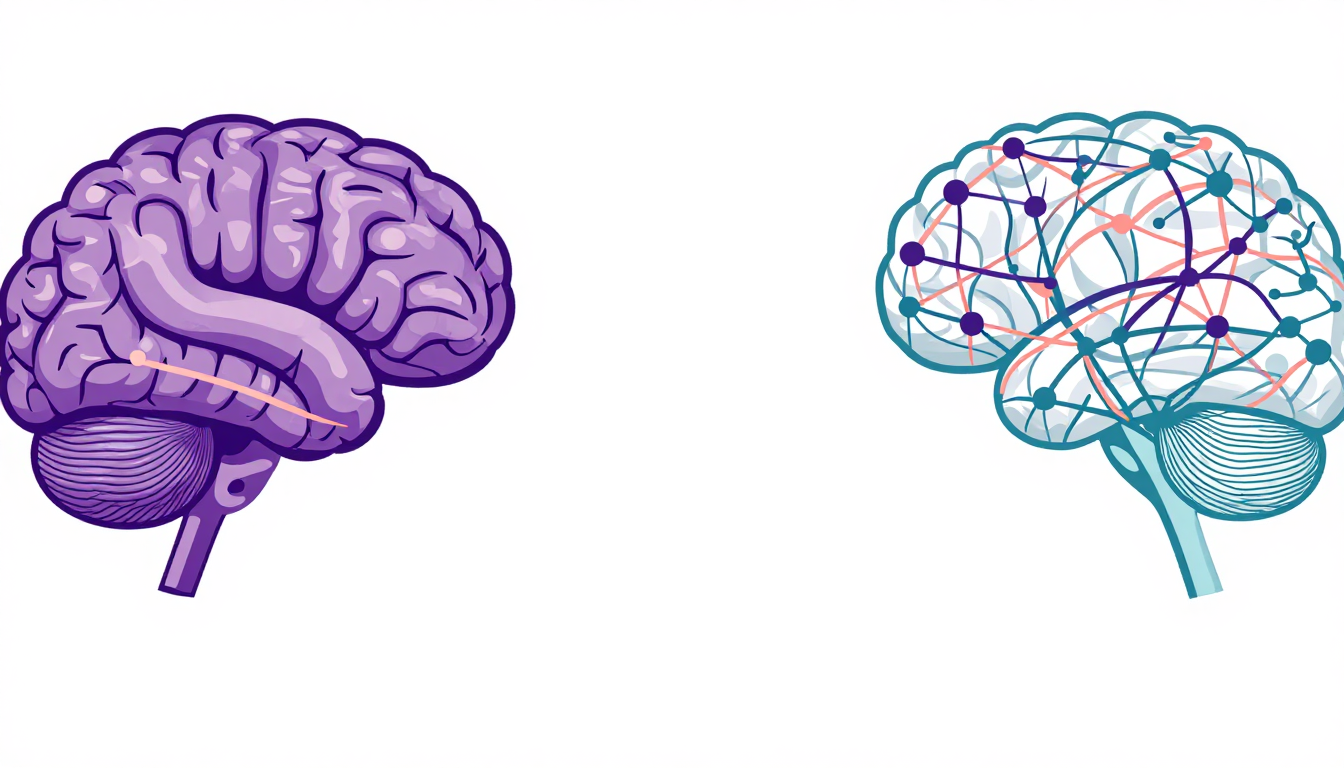
Two Distinct Biological Subtypes of Autism Identified via Brain Connectivity
A groundbreaking 2026 study in Nature Neuroscience has identified two reproducible biological subtypes of autism-spectrum disorder distinguished by contrasting patterns of brain connectivity, bridging human fMRI findings with molecular mechanisms in mouse models.
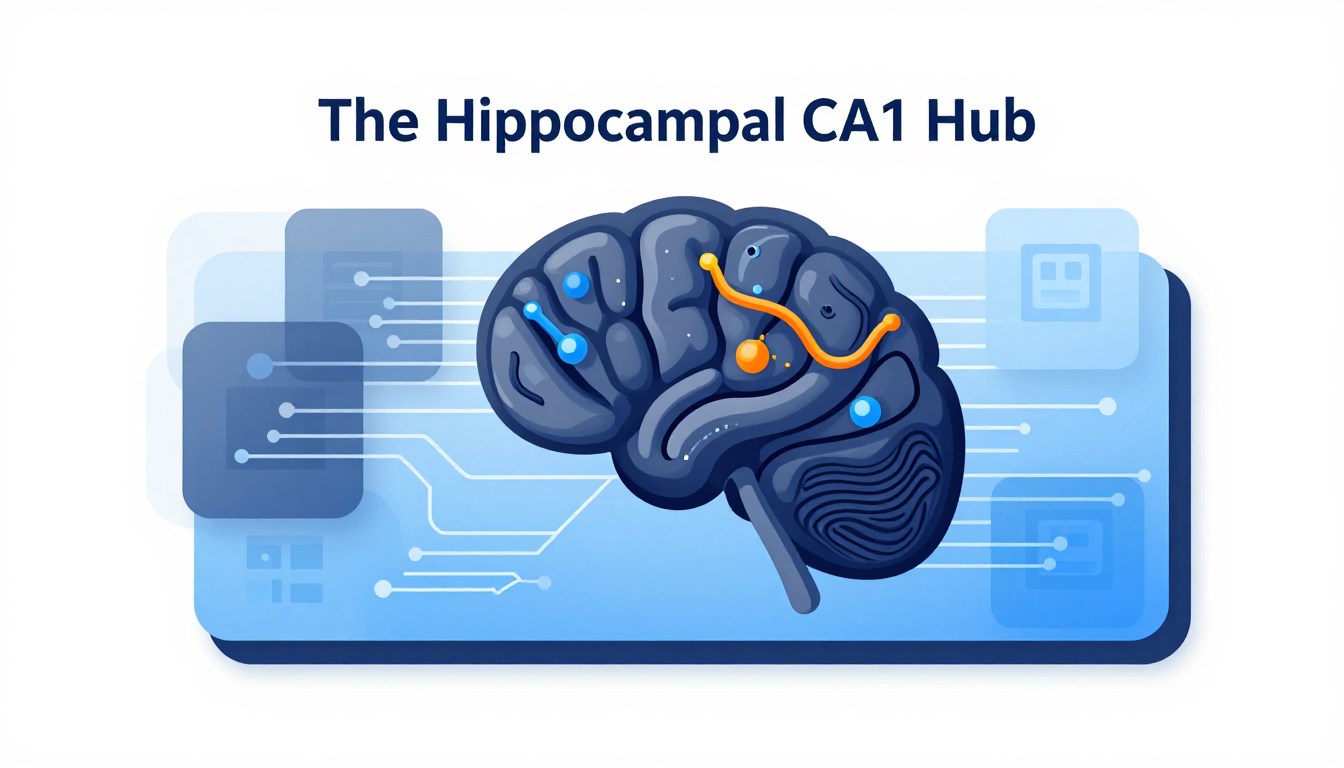
The Hippocampal CA1 Hub: Balancing Memory Plasticity and Stability
New research reveals how hippocampal CA1 neurons act as a switchboard, using divergent firing patterns to process incoming and outgoing memory signals without erasing past knowledge.

Did Iron Age Britons Remove Brains of the Dead?
Archaeologists uncovered evidence of intentional brain removal and bone modification among Iron Age Britons in northwest Scotland, suggesting ritualistic or preservation purposes.
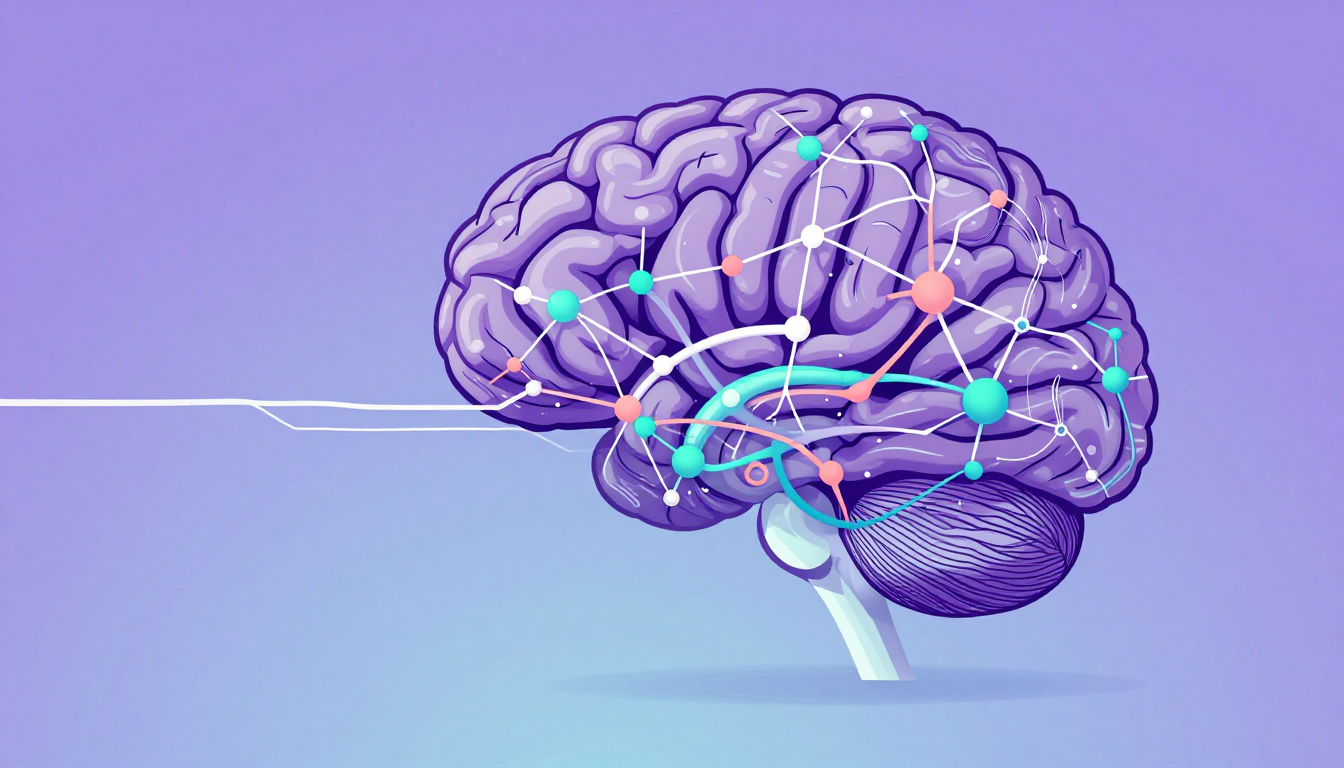
First Full Connectome of Fruit Fly Brain Mapped — A Landmark Achievement in Neuroscience
Researchers have completed the first full connectome of a fruit fly (Drosophila melanogaster) brain and central nervous system, mapping every neuron and synapse. This structural blueprint reveals that motor behavior is governed by distributed local modules rather than centralized brain control.